



AD
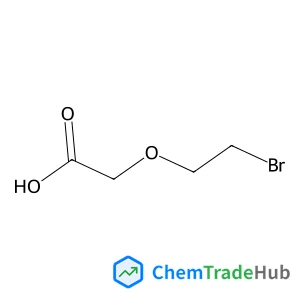
(2-Bromoethoxy)acetic acid(CAS: 1135131-50-8)
CAS Number
Related Products
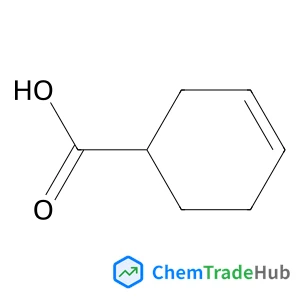
(1S)-3-Cyclohexene-1-carboxylic acid
CAS Number: 5708-19-0
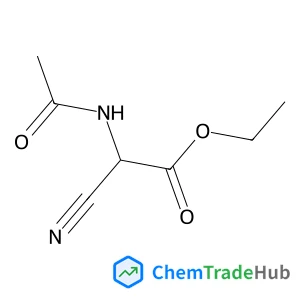
Ethyl Acetamidocyanoacetate
CAS Number: 4977-62-2
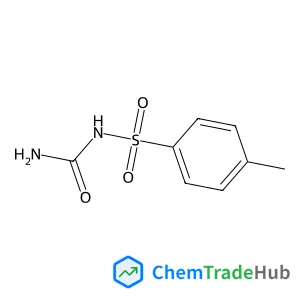
N-Carbamoyl-4-methylbenzenesulfonamide
CAS Number: 1694-06-0
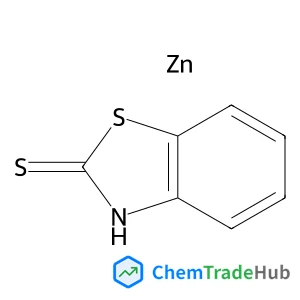
Zinc bis(1,3-benzothiazole-2-thiolate)
CAS Number: 155-04-4
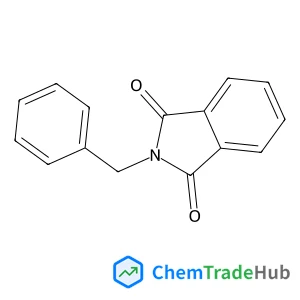
2-Benzyl-1H-isoindole-1,3(2H)-dione
CAS Number: 2142-01-0
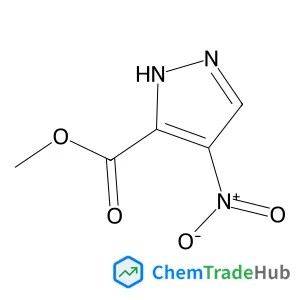
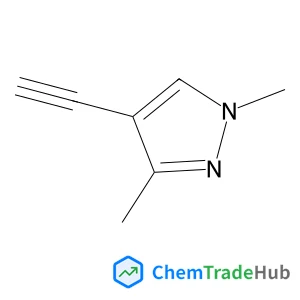
4-Ethynyl-1,3-dimethyl-1H-pyrazole
CAS Number: 61514-53-2
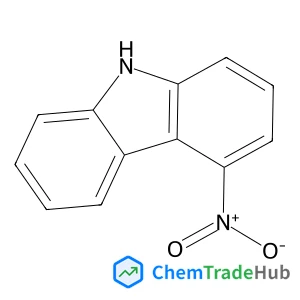
1-Nitro-9H-carbazole
CAS Number: 57905-76-7
Other Suppliers for (2-Bromoethoxy)acetic acid



Basic Information
Molecular Formula
C4H7BrO3
Molecular Weight
183 g/mol
Chemical Identifiers
SMILES
BrCCOCC(=O)O
InChIKey
GBPDANKBFPPRCR-UHFFFAOYSA-N
Database References
MDL Number
MFCD20637665
FAQ
(2-Bromoethoxy)acetic acid (CAS: 1135131-50-8) is a colorless or white crystalline solid with a molecular weight of approximately 237.01 g/mol. It is slightly soluble in water and has a pKa of 2.9. This compound is reactive towards nucleophiles and is used in various chemical reactions. It has a melting point of about 75-77°C and a boiling point of around 165-167°C at 1 atm. It is also known to be a weak acid.
(2-Bromoethoxy)acetic acid is typically synthesized through the reaction of ethylene oxide with bromine to form 2-bromomethoxyethane, which is then converted to (2-bromoethoxy)acetic acid via an acetylation step. Common catalysts used in this process include sulfuric acid or other strong acids. The yield is generally around 70-80%, and the reaction is highly selective. This process is often performed under controlled conditions to ensure safety and efficiency.
(2-Bromoethoxy)acetic acid is used in various industries due to its chemical properties. It is primarily used in the pharmaceutical and polymer industries. In pharmaceuticals, it serves as a precursor for the synthesis of certain drugs. In polymer synthesis, it can be used to modify the properties of polymers, improving their stability and performance. Its use in sensors and semiconductors is also being explored, though on a smaller scale.
When handling (2-Bromoethoxy)acetic acid (CAS: 1135131-50-8), it is essential to wear appropriate personal protective equipment (PPE), including gloves, safety goggles, and a laboratory coat. This compound is reactive and can produce hazardous fumes if exposed to moisture or air. It should be handled in a well-ventilated area or in a fume hood. In case of a spill, the area should be thoroughly cleaned using appropriate methods. Always refer to the Safety Data Sheet (SDS) for detailed information on handling and storage procedures.
Safety Notice
Please verify product specifications and safety data before use. Contact the supplier for detailed safety information.
Always follow proper handling procedures
Contact Information
jacschem@163.com