



AD
2-Chloro-3-(trifluoromethyl)aniline(CAS: 62476-58-8)
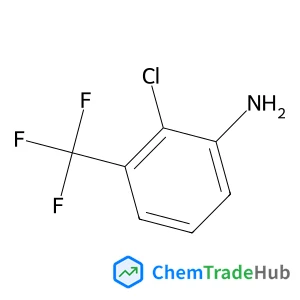
CAS Number
Related Products
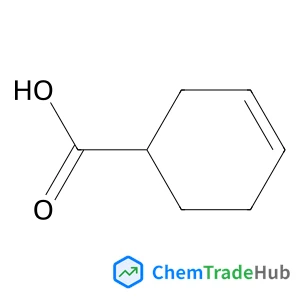
(1S)-3-Cyclohexene-1-carboxylic acid
CAS Number: 5708-19-0
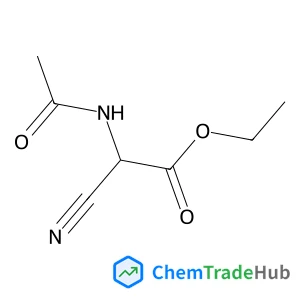
Ethyl Acetamidocyanoacetate
CAS Number: 4977-62-2
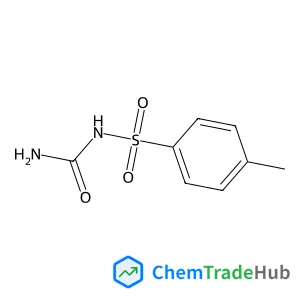
N-Carbamoyl-4-methylbenzenesulfonamide
CAS Number: 1694-06-0
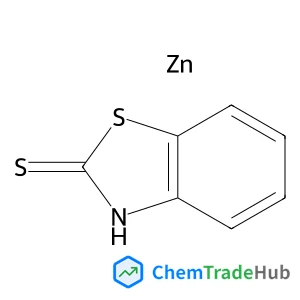
Zinc bis(1,3-benzothiazole-2-thiolate)
CAS Number: 155-04-4
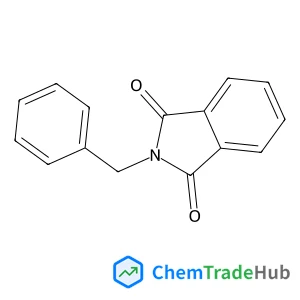
2-Benzyl-1H-isoindole-1,3(2H)-dione
CAS Number: 2142-01-0
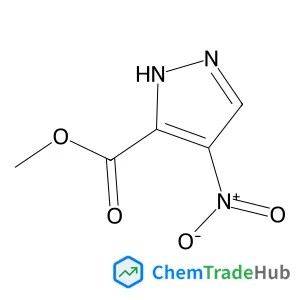
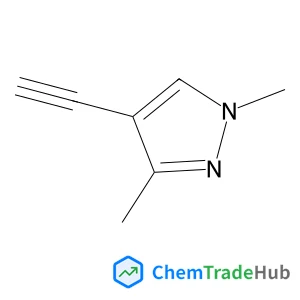
4-Ethynyl-1,3-dimethyl-1H-pyrazole
CAS Number: 61514-53-2
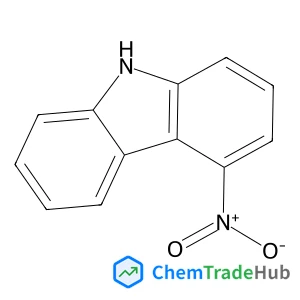
1-Nitro-9H-carbazole
CAS Number: 57905-76-7
Other Suppliers for 2-Chloro-3-(trifluoromethyl)aniline








Basic Information
Molecular Formula
C7H5ClF3N
Molecular Weight
195.57 g/mol
Physical Properties
Melting Point
25-28℃
Boiling Point
217.5±40.0 ºC (760 Torr),
Density
1.425±0.06 g/cm3 (20 ºC 760 Torr),
Flash Point
85.3±27.3 ºC,
Water Solubility
Insoluble in water.
Chemical Identifiers
SMILES
C1=CC(=C(C(=C1)N)Cl)C(F)(F)F
InChIKey
WLXOMMTWPMQFDE-UHFFFAOYSA-N
Database References
MDL Number
MFCD04115988
FAQ
2-Chloro-3-(trifluoromethyl)aniline (CAS: 62476-58-8) falls under the GHS classification as a hazardous chemical due to its corrosive properties. Regulatory guidelines include OSHA PPE requirements, EPA environmental regulations, and REACH for European manufacturers and importers. FDA guidelines may also apply for its use in specific applications, such as in pharmaceuticals.
Alternatives to 2-Chloro-3-(trifluoromethyl)aniline (CAS: 62476-58-8) in synthesis include 2-Amino-3-(trifluoromethyl)aniline and 2-Chloro-3-(trifluoromethyl)benzene. These can serve as effective substitutes depending on the specific reaction conditions and desired end product.
Market trends for 2-Chloro-3-(trifluoromethyl)aniline (CAS: 62476-58-8) show increased research interest in its use as an intermediate in the synthesis of pharmaceuticals and dyes. Prices remain stable, but the trend indicates growing demand, especially in the pharmaceutical industry. Recent studies focus on optimizing synthesis methods and identifying safer alternatives.
Waste containing 2-Chloro-3-(trifluoromethyl)aniline (CAS: 62476-58-8) should be collected in appropriate containers and stored separately. Incineration is a common method of disposal, but professional waste disposal services are recommended. Environmental protection measures include proper handling to prevent soil and water contamination, and compliance with local regulations regarding hazardous waste management is essential.
Safety Notice
Please verify product specifications and safety data before use. Contact the supplier for detailed safety information.
Always follow proper handling procedures
Contact Information
jacschem@163.com