



AD
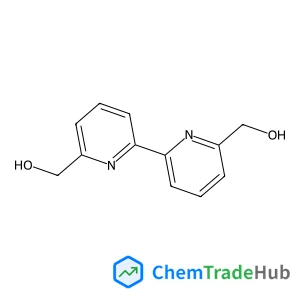
2,2'-Bipyridine-6,6'-diyldimethanol(CAS: 74065-63-7)
CAS Number
Related Products

chlorosulfanyl thiohypochlorite
CAS Number: 10025-67-9
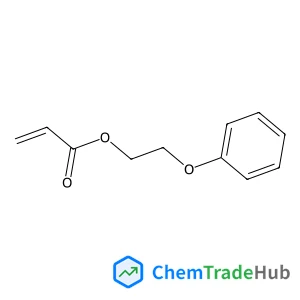
2-Phenoxyethyl acrylate
CAS Number: 48145-04-6

Lithium hydroxide hydrate (1:1:1)
CAS Number: 1310-66-3
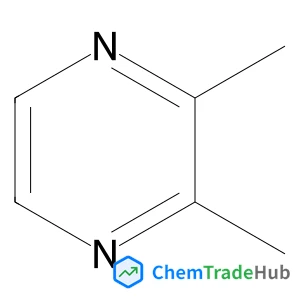
2,3-Dimethylpyrazine
CAS Number: 5910-89-4
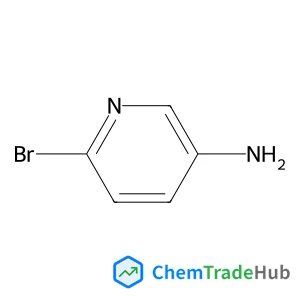
6-Bromo-3-pyridinamine
CAS Number: 13534-97-9
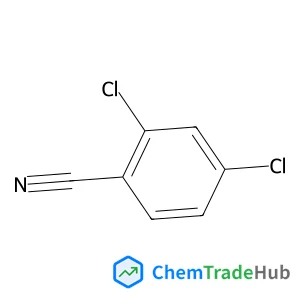
2,4-Dichlorobenzonitrile
CAS Number: 6574-98-7
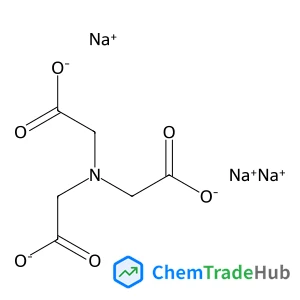
Nitrilotriacetic Acid Trisodium Salt
CAS Number: 5064-31-3

Potassium 2-methyl-2-propanolate
CAS Number: 865-47-4
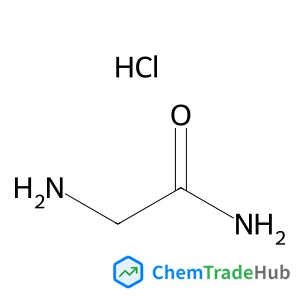
Glycinamide hydrochloride (1:1)
CAS Number: 1668-10-6
Other Suppliers for 2,2'-Bipyridine-6,6'-diyldimethanol







Basic Information
Molecular Formula
C12H12N2O2
Molecular Weight
216.24 g/mol
Chemical Identifiers
SMILES
OCc1cccc(n1)c1cccc(n1)CO
InChIKey
AQXWTRNMAUTZNP-UHFFFAOYSA-N
Database References
MDL Number
MFCD30738087
FAQ
2,2'-Bipyridine-6,6'-diyldimethanol is subject to the Globally Harmonized System of Classification and Labelling of Chemicals (GHS) for hazardous material classification. In the European Union, it falls under REACH regulations for chemical safety assessment. The FDA may regulate its use in certain applications, and the EPA may manage its disposal and environmental impact. Detailed safety data sheets (SDS) should be consulted for specific handling and storage protocols.
Several alternatives can be used in synthesis as substitutes for 2,2'-Bipyridine-6,6'-diyldimethanol, including 1,10-phenanthroline and 2,9-dimethyl-1,10-phenanthroline. Additionally, other bidentate ligands such as salen (1,2-diaminobenzene) and bpy (2,2'-bipyridine) are commonly used in similar applications. These alternatives offer comparable functionality and can be selected based on specific chemical and physical requirements.
The market for 2,2'-Bipyridine-6,6'-diyldimethanol shows steady growth driven by its applications in electronics, catalysis, and molecular materials. Research trends focus on its use in developing advanced materials and sensors. Price trends are influenced by supply chain dynamics and technological advancements. Emerging research fields include its application in organic light-emitting diodes (OLEDs) and as a bidentate ligand in metal complexes for catalytic processes.
Waste containing 2,2'-Bipyridine-6,6'-diyldimethanol should be collected in appropriate containers and labeled as hazardous. Incineration or professional waste disposal services should be utilized for safe disposal. Environmental protection precautions include minimizing leakage and ensuring proper treatment to prevent environmental contamination. Compliance with local waste management regulations and the Globally Harmonized System (GHS) guidelines is essential.
Safety Notice
Please verify product specifications and safety data before use. Contact the supplier for detailed safety information.
Always follow proper handling procedures
Contact Information
Contact Person
Cui Manager
1670996061@qq.com