



AD
chlorosulfanyl thiohypochlorite(CAS: 10025-67-9)
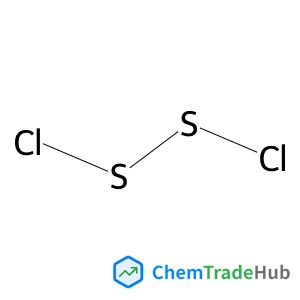
CAS Number
Related Products
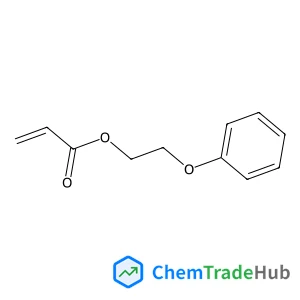
2-Phenoxyethyl acrylate
CAS Number: 48145-04-6
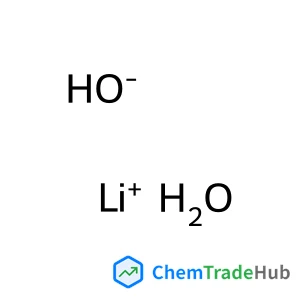
Lithium hydroxide hydrate (1:1:1)
CAS Number: 1310-66-3
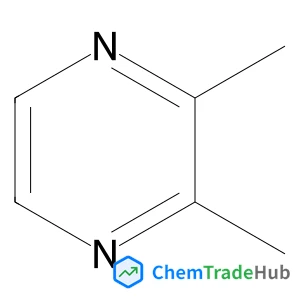
2,3-Dimethylpyrazine
CAS Number: 5910-89-4
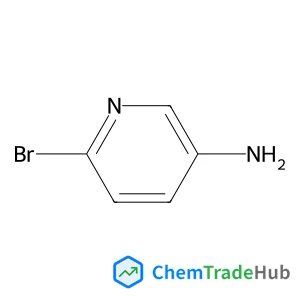
6-Bromo-3-pyridinamine
CAS Number: 13534-97-9
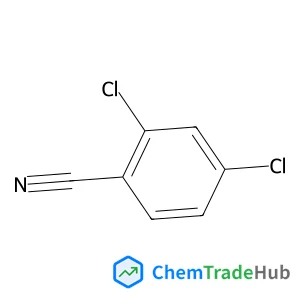
2,4-Dichlorobenzonitrile
CAS Number: 6574-98-7
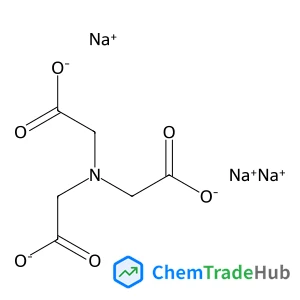
Nitrilotriacetic Acid Trisodium Salt
CAS Number: 5064-31-3
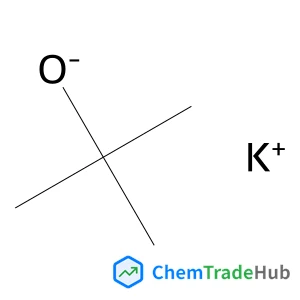
Potassium 2-methyl-2-propanolate
CAS Number: 865-47-4
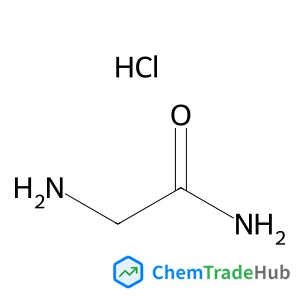
Glycinamide hydrochloride (1:1)
CAS Number: 1668-10-6
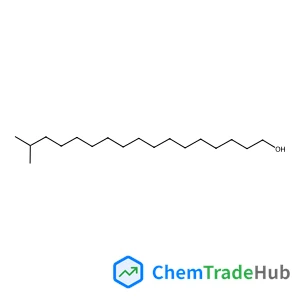
16-Methyl-1-heptadecanol
CAS Number: 27458-93-1
Other Suppliers for chlorosulfanyl thiohypochlorite


Basic Information
Molecular Formula
Cl2S2
Molecular Weight
135.04 g/mol
Physical Properties
Melting Point
-80 ºC
Boiling Point
138 ºC
Flash Point
>130℃
Chemical Identifiers
SMILES
S(SCl)Cl
InChIKey
PXJJSXABGXMUSU-UHFFFAOYSA-N
Database References
FAQ
Chlorosulfanyl thiohypochlorite is a crystalline compound with a molecular weight of approximately 153.07 g/mol. It has a low solubility in water but is more soluble in organic solvents. This compound is highly reactive and unstable under light or heat, making it susceptible to decomposition and release of chlorine gas.
Chlorosulfanyl thiohypochlorite is usually synthesized by the reaction of thiohypochlorite with chlorosulfonic acid. The reaction is carried out under anhydrous conditions and is sensitive to moisture, requiring the use of appropriate drying agents and inert gases to maintain high yield and selectivity.
Chlorosulfanyl thiohypochlorite finds applications in the pharmaceutical industry for the synthesis of certain organic compounds, in the polymer industry for the modification of polymers, and in the semiconductor industry for the production of high-purity chemicals and materials. It is also used in the production of sensors due to its reactivity with various analytes.
When handling chlorosulfanyl thiohypochlorite, it is crucial to wear appropriate personal protective equipment (PPE) such as gloves, goggles, and a lab coat. Work should be conducted in a fume hood to minimize exposure to the compound and its byproducts. Spills should be handled immediately using appropriate absorbent materials, and the area should be well-ventilated. Safety data sheets (SDS) should be consulted for detailed emergency procedures and storage guidelines.
Safety Notice
Please verify product specifications and safety data before use. Contact the supplier for detailed safety information.
Always follow proper handling procedures
Contact Information
Contact Person
Cui Manager
1670996061@qq.com