



AD
2,2,3,3,4,4,5,5,6,6,7,7-Dodecafluoro-1-heptanol(CAS: 335-99-9)
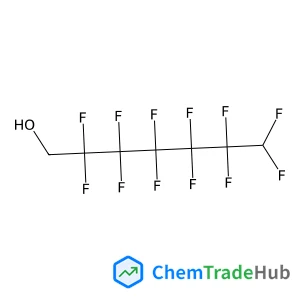
CAS Number
Related Products
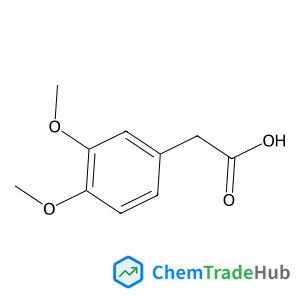
Homoveratric acid
CAS Number: 93-40-3
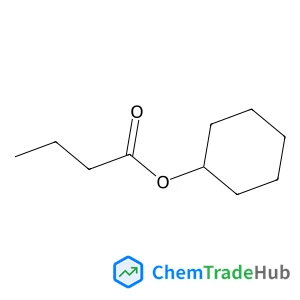
Butanoic acid, cyclohexyl ester
CAS Number: 1551-44-6
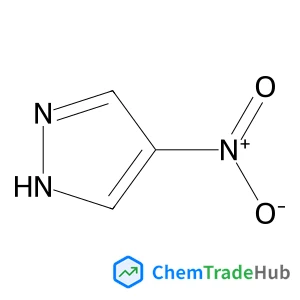
4-Nitro-1H-pyrazole
CAS Number: 2075-46-9
![[(2S)-1-Benzyl-2-pyrrolidinyl]methanol](https://static.chemtradehub.com/structs/539/53912-80-4-7089.webp)
[(2S)-1-Benzyl-2-pyrrolidinyl]methanol
CAS Number: 53912-80-4
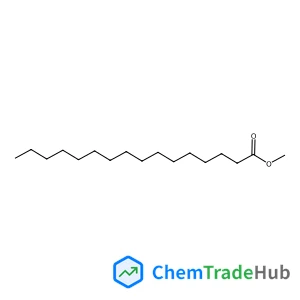
Methyl palmitate
CAS Number: 112-39-0
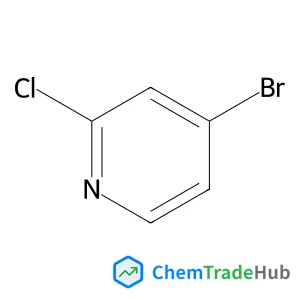
4-Bromo-2-chloropyridine
CAS Number: 73583-37-6

![N-{3-Chloro-4-[(3-fluorobenzyl)oxy]phenyl}-6-iodo-4-quinazolinamine](https://static.chemtradehub.com/structs/231/231278-20-9-915c.webp)
Other Suppliers for 2,2,3,3,4,4,5,5,6,6,7,7-Dodecafluoro-1-heptanol





Basic Information
Molecular Formula
C7H4F12O
Molecular Weight
332.08 g/mol
Physical Properties
Melting Point
-20°C
Boiling Point
169-170 ºC
Flash Point
169-170°C
Chemical Identifiers
SMILES
C(C(C(C(C(C(C(F)F)(F)F)(F)F)(F)F)(F)F)(F)F)O
InChIKey
BYKNGMLDSIEFFG-UHFFFAOYSA-N
Database References
MDL Number
MFCD00039630
Beilstein Registry Number
1800110
FAQ
2,2,3,3,4,4,5,5,6,6,7,7-Dodecafluoro-1-heptanol is a colorless liquid with a high boiling point of 214°C and a low melting point of -90°C. It has a molecular weight of approximately 358.42 g/mol. The compound is highly soluble in organic solvents but is practically insoluble in water. Chemically, it is a stable compound, but it can react with strong bases to form fluorides. It is also known for its hydrophobic nature and good solubility in nonpolar solvents.
2,2,3,3,4,4,5,5,6,6,7,7-Dodecafluoro-1-heptanol is typically synthesized via the reduction of 2,2,3,3,4,4,5,5,6,6,7,7-dodecafluoro-1-heptanone. Common methods involve the use of sodium borohydride or lithium aluminum hydride. The process requires precise control of reaction conditions to achieve high yield and selectivity. The reaction is usually performed under an inert atmosphere to avoid decomposition.
2,2,3,3,4,4,5,5,6,6,7,7-Dodecafluoro-1-heptanol is used in various industries. It is primarily used in the pharmaceutical industry for the synthesis of fluorochemical compounds and as a solvent. In the polymer industry, it serves as a monomer for fluoroelastomers. Additionally, it finds applications in the production of fluorinated surfactants, semiconductors, and as a component in sensor technologies. Its unique properties make it valuable in these fields.
When handling 2,2,3,3,4,4,5,5,6,6,7,7-Dodecafluoro-1-heptanol, it is important to use personal protective equipment (PPE) such as gloves, goggles, and a lab coat. The compound should be stored in a fume hood to minimize exposure to air. In case of a spill, it should be absorbed with appropriate materials and disposed of according to local regulations. Safety data sheets (SDS) should be consulted for detailed handling and emergency procedures. The compound is non-toxic but can cause skin irritation; therefore, proper hygiene practices should be followed.
Safety Notice
Please verify product specifications and safety data before use. Contact the supplier for detailed safety information.
Always follow proper handling procedures

Contact Information
Contact Person
Miss Zhou
hubeizhenbochem@163.com
Mobile
18040568358
Telephone
027-62309882
Visit Website
http://www.zhenbochem.comAddress
Hubei Province Wuhan City Jianghan New Area Wh Lake Street Hankou North Modern Industrial Park R&D Center Building 2 Unit 2 Floor 17 Room 8