



AD
Methyl N-{[(2-methyl-2-propanyl)oxy]carbonyl}tyrosinate(CAS: 76757-90-9)
![Methyl N-{[(2-methyl-2-propanyl)oxy]carbonyl}tyrosinate](https://static.chemtradehub.com/structs/767/76757-90-9-6a5a.webp "Methyl N-{[(2-methyl-2-propanyl)oxy]carbonyl}tyrosinate")
CAS Number
Related Products
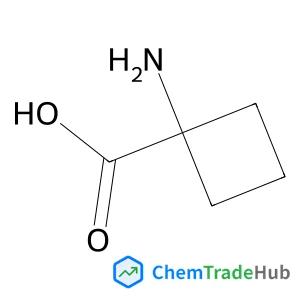
1-Aminocyclobutanecarboxylic acid
CAS Number: 22264-50-2
![Potassium 4-[(4-fluorobenzyl)carbamoyl]-1-methyl-2-(2-{[(5-methyl-1,3,4-oxadiazol-2-yl)carbonyl]amino}-2-propanyl)-5,6-dioxo-1,2,5,6-tetrahydropyrimidin-2-ide](https://static.chemtradehub.com/structs/871/871038-72-1-53e3.webp)
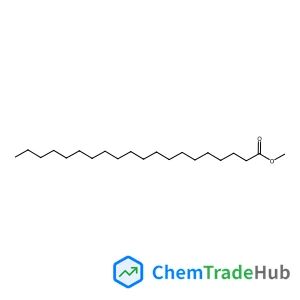
Methyl icosanoate
CAS Number: 1120-28-1
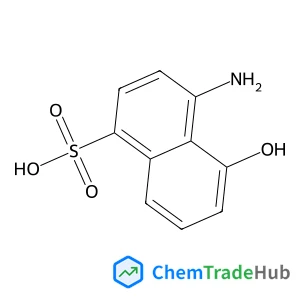
![Imidazo[1,5-a]pyridine](https://static.chemtradehub.com/structs/274/274-47-5-b458.webp)
Imidazo[1,5-a]pyridine
CAS Number: 274-47-5
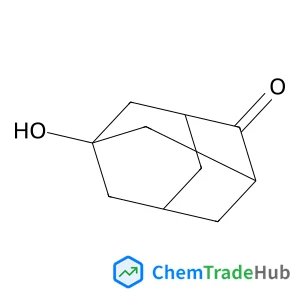
(1R,3S,5s,7s)-5-Hydroxy-2-adamantanone
CAS Number: 20098-14-0
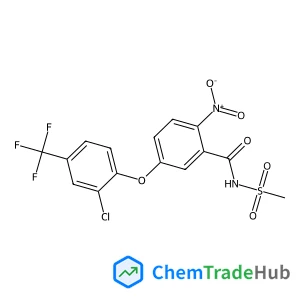
Fomesafen
CAS Number: 72178-02-0
Other Suppliers for Methyl N-{[(2-methyl-2-propanyl)oxy]carbonyl}tyrosinate
![Methyl N-{[(2-methyl-2-propanyl)oxy]carbonyl}tyrosinate — Guangdong Wanzhang Chemical Reagent Co., Ltd.](https://static.chemtradehub.com/suppliers/67ce43292b2de6e8e95a42fd/67ce43292b2de6e8e95a42fd-logo.webp)
![Methyl N-{[(2-methyl-2-propanyl)oxy]carbonyl}tyrosinate — HePeng ( ShangHai ) Biotechnology Co Ltd](https://static.chemtradehub.com/suppliers/67ceccf22b2de6e8e95a5e0f/67ceccf22b2de6e8e95a5e0f-logo.webp)
![Methyl N-{[(2-methyl-2-propanyl)oxy]carbonyl}tyrosinate — Shanghai Yuyeh Biotechnology Co., Ltd.](https://static.chemtradehub.com/suppliers/67ce9f132b2de6e8e95a48fe/67ce9f132b2de6e8e95a48fe-logo.webp)
![Methyl N-{[(2-methyl-2-propanyl)oxy]carbonyl}tyrosinate — Hubei Zhenbo Chemical Industry Co., Ltd.](https://static.chemtradehub.com/suppliers/67ce8cf42b2de6e8e95a47e0/67ce8cf42b2de6e8e95a47e0-logo.webp)
Basic Information
Molecular Formula
C15H21NO5
Molecular Weight
295.34 g/mol
Physical Properties
Melting Point
104-108°C
Boiling Point
452.7℃ at 760 mmHg
Density
1.169±0.06 g/cm3 (20 ºC 760 Torr),
Chemical Identifiers
SMILES
CC(C)(C)OC(=O)NC(CC1=CC=C(C=C1)O)C(=O)OC
InChIKey
NQIFXJSLCUJHBB-GFCCVEGCSA-N
Database References
MDL Number
MFCD00057824
FAQ
Methyl N-{[(2-methyl-2-propanyl)oxy]carbonyl}tyrosinate is a white crystalline powder with a molecular weight of approximately 361.43 g/mol. It is poorly soluble in water and has good solubility in organic solvents. This compound is known to be stable under normal conditions, but it may react with strong bases or acids. It has a low reactivity under standard laboratory conditions but can be sensitive to moisture and air oxidation.
Methyl N-{[(2-methyl-2-propanyl)oxy]carbonyl}tyrosinate is synthesized via a multi-step process involving the carbonylation of 2-methyl-2-propanol with tyrosine. The reaction typically requires the use of a suitable catalyst and is carried out under specific temperature and pressure conditions. The overall yield can be around 70-80%, with the main challenges being the selectivity and the stability of the intermediate compounds during the process.
Methyl N-{[(2-methyl-2-propanyl)oxy]carbonyl}tyrosinate is primarily used in the pharmaceutical industry for the development of certain drugs. It also finds applications in the polymer industry as a functional monomer. Additionally, it can be used in the production of sensors and as a precursor in the synthesis of semiconductors. Its unique chemical properties make it suitable for these diverse applications.
When handling Methyl N-{[(2-methyl-2-propanyl)oxy]carbonyl}tyrosinate (CAS: 76757-90-9), it is essential to wear appropriate personal protective equipment (PPE), including gloves, goggles, and a laboratory coat. The compound should be stored in a cool, dry place, away from direct sunlight and heat sources. Fume hoods should be used during handling to minimize inhalation exposure. In case of spills, they should be cleaned up promptly using appropriate safety procedures and disinfected with a suitable cleaning agent. Always refer to the Safety Data Sheet (SDS) for detailed safety information and emergency procedures.
Safety Notice
Please verify product specifications and safety data before use. Contact the supplier for detailed safety information.
Always follow proper handling procedures
Contact Information
new_great@163.com