



AD
4-Chloro-6-methyl-2-pyrimidinamine(CAS: 5600-21-5)

CAS Number
Related Products
![[(1alpha,6beta,14alpha,16beta)-20-Ethyl-7,8-dihydroxy-1,6,14,16-tetramethoxyaconitan-4-yl]methyl 2-[(3S)-3-methyl-2,5-dioxo-1-pyrrolidinyl]benzoate 2-hydroxy-1,2,3-propanetricarboxylate (1:1)](https://static.chemtradehub.com/structs/351/351344-10-0-4e0e.webp)
![4-[(E)-2-(4-Carbamimidoylphenyl)vinyl]-3-hydroxybenzenecarboximidamide methanesulfonate (1:2)](https://static.chemtradehub.com/structs/223/223769-64-0-1600.webp)
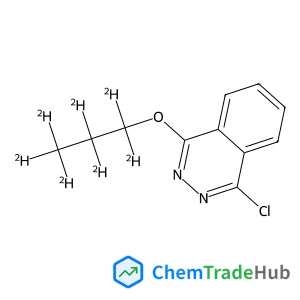
![(6R,7R)-3-(acetyloxymethyl)-7-[[(2Z)-2-(furan-2-yl)-2-methoxyiminoacetyl]amino]-8-oxo-5-thia-1-azabicyclo[4.2.0]oct-2-ene-2-carboxylic acid](https://static.chemtradehub.com/structs/396/39685-31-9-f1d8.webp)
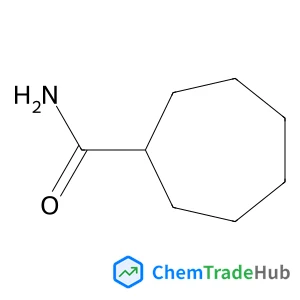
Cycloheptanecarboxamide
CAS Number: 1459-39-8


3-Chloro-1H-1,2,4-triazole
CAS Number: 6818-99-1
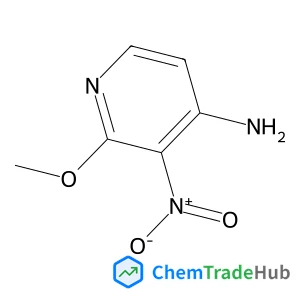
2-Methoxy-3-nitro-4-pyridinamine
CAS Number: 33623-16-4
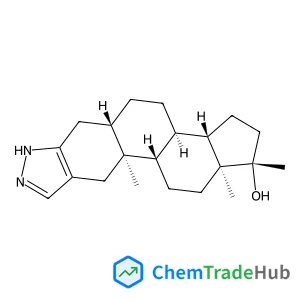
Stanozolol
CAS Number: 10418-03-8
Other Suppliers for 4-Chloro-6-methyl-2-pyrimidinamine




Basic Information
Molecular Formula
C5H6ClN3
Molecular Weight
143.58 g/mol
Physical State
Pale-yellow to Yellow-brown Solid
Physical Properties
Melting Point
184.0 to 187.0 deg-C
Boiling Point
326℃ at 760 mmHg
Flash Point
151℃
Water Solubility
Insoluble in water.
Chemical Identifiers
SMILES
CC1=CC(=NC(=N1)N)Cl
InChIKey
NPTGVVKPLWFPPX-UHFFFAOYSA-N
Database References
MDL Number
MFCD00006091
Beilstein Registry Number
114297
FAQ
4-Chloro-6-methyl-2-pyrimidinamine (CAS: 5600-21-5) should adhere to guidelines under the Globally Harmonized System of Classification and Labeling of Chemicals (GHS), REACH regulations for European markets, and FDA and EPA requirements in the United States. It is classified as a hazardous chemical due to its potential to cause skin and eye irritation, and hence appropriate handling and storage procedures must be followed to ensure safety.
While 4-Chloro-6-methyl-2-pyrimidinamine (CAS: 5600-21-5) is a useful reagent, alternatives like 4-chloropyrimidine and other substituted pyrimidines can be used as substitutes in synthesis depending on the specific reaction conditions and desired products. These alternatives offer similar functionalities but may have different reactivity profiles.
The market for 4-Chloro-6-methyl-2-pyrimidinamine (CAS: 5600-21-5) is driven by its applications in agricultural and pharmaceutical industries. Research trends are increasingly focused on its role as an intermediate in drug development and as a herbicide. There is also growing interest in its potential use in antimicrobial and antiviral treatments, reflecting broader market dynamics and emerging research fields.
Waste containing 4-Chloro-6-methyl-2-pyrimidinamine (CAS: 5600-21-5) should be collected in appropriately labeled containers, stored in a secure and well-ventilated area, and disposed of through professional waste disposal services. Incineration is a common method of disposal, but it must be conducted under controlled conditions to prevent environmental contamination. Proper environmental protection precautions, such as monitoring for emissions and ensuring compliance with local waste management regulations, are essential.
Safety Notice
Please verify product specifications and safety data before use. Contact the supplier for detailed safety information.
Always follow proper handling procedures

Contact Information
order@canspecsci.com
Mobile
15021221957
Telephone
021-59553580
Fax
021-59553580-8012
Visit Website
https://www.canspec.cn