



AD
Ginsenoside Rh4(CAS: 174721-08-5)
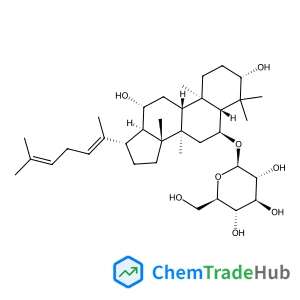
CAS Number
Related Products
![[(1alpha,6beta,14alpha,16beta)-20-Ethyl-7,8-dihydroxy-1,6,14,16-tetramethoxyaconitan-4-yl]methyl 2-[(3S)-3-methyl-2,5-dioxo-1-pyrrolidinyl]benzoate 2-hydroxy-1,2,3-propanetricarboxylate (1:1)](https://static.chemtradehub.com/structs/351/351344-10-0-4e0e.webp)
![4-[(E)-2-(4-Carbamimidoylphenyl)vinyl]-3-hydroxybenzenecarboximidamide methanesulfonate (1:2)](https://static.chemtradehub.com/structs/223/223769-64-0-1600.webp)
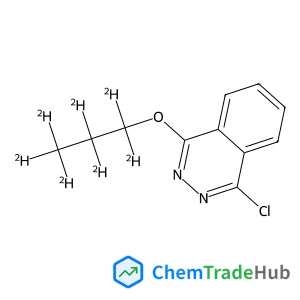
![(6R,7R)-3-(acetyloxymethyl)-7-[[(2Z)-2-(furan-2-yl)-2-methoxyiminoacetyl]amino]-8-oxo-5-thia-1-azabicyclo[4.2.0]oct-2-ene-2-carboxylic acid](https://static.chemtradehub.com/structs/396/39685-31-9-f1d8.webp)
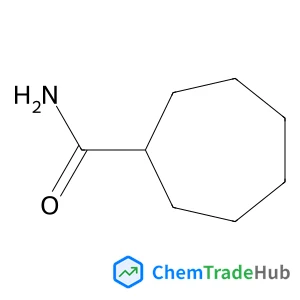
Cycloheptanecarboxamide
CAS Number: 1459-39-8
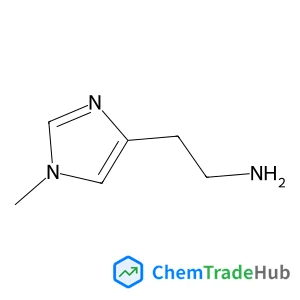
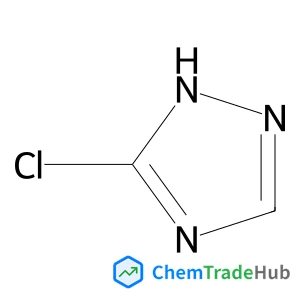
3-Chloro-1H-1,2,4-triazole
CAS Number: 6818-99-1
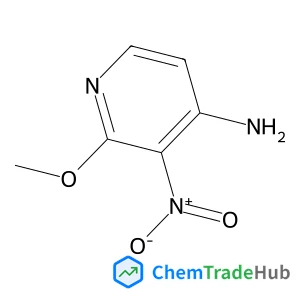
2-Methoxy-3-nitro-4-pyridinamine
CAS Number: 33623-16-4
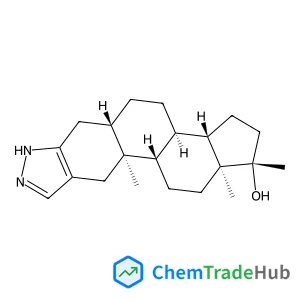
Stanozolol
CAS Number: 10418-03-8
Other Suppliers for Ginsenoside Rh4




Basic Information
Molecular Formula
C36H60O8
Molecular Weight
620.86 g/mol
Physical State
Powder
Chemical Identifiers
SMILES
OC[C@H]1O[C@@H](O[C@H]2C[C@]3(C)[C@@H]([C@@]4([C@@H]2C(C)(C)[C@@H](O)CC4)C)C[C@H]([C@H]2[C@@]3(C)CC[C@@H]2/C(=C/CC=C(C)C)/C)O)[C@@H]([C@H]([C@@H]1O)O)O
InChIKey
OZTXYFOXQFKYRP-TXRYYSRHSA-N
Database References
MDL Number
MFCD22125012
FAQ
Ginsenoside Rh4 (CAS: 174721-08-5) falls under the scrutiny of global regulatory bodies such as REACH (Registration, Evaluation, Authorisation, and Restriction of Chemicals) in the EU, which mandates the registration of substances above 1 tonne per year. In the US, FDA (Food and Drug Administration) and EPA (Environmental Protection Agency) have specific safety and environmental requirements for substances used in dietary supplements and consumer products. Additionally, the chemical should comply with local and regional safety standards and guidelines.
In the synthesis of Ginsenoside Rh4, alternative precursors and reagents can be used to synthesize similar compounds. For instance, ginsenoside Rg3 can serve as a precursor, and alternative reagents like sodium borohydride or lithium aluminum hydride can be used as reducing agents. These alternatives offer flexibility in the synthesis process while maintaining the structural integrity of the final product.
The market for Ginsenoside Rh4 is growing due to its potential health benefits, particularly in the areas of cancer treatment and immunomodulation. Research trends are focused on understanding its mechanism of action and developing new formulations. Market trends show increasing demand in dietary supplements and pharmaceuticals, with ongoing studies exploring its efficacy and safety in clinical trials.
Waste containing Ginsenoside Rh4 should be collected and disposed of in compliance with local environmental regulations. Proper incineration is recommended for disposal, and professional waste disposal services are advised to ensure environmental safety. Precautions include ensuring the waste is sealed and labeled appropriately to prevent leakage or contamination. Additionally, the waste should be treated to minimize the risk of environmental impact during disposal.
Safety Notice
Please verify product specifications and safety data before use. Contact the supplier for detailed safety information.
Always follow proper handling procedures

Contact Information
order@canspecsci.com
Mobile
15021221957
Telephone
021-59553580
Fax
021-59553580-8012
Visit Website
https://www.canspec.cn