



AD
2-(3-Chloropyridin-2-YL)Acetic acid(CAS: 885167-73-7)
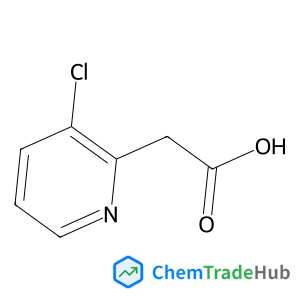
CAS Number
Related Products
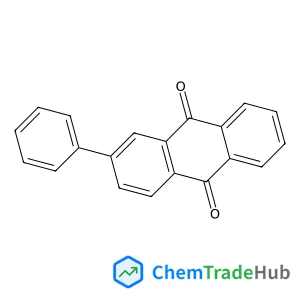
2-Phenyl-9,10-anthraquinone
CAS Number: 6485-97-8
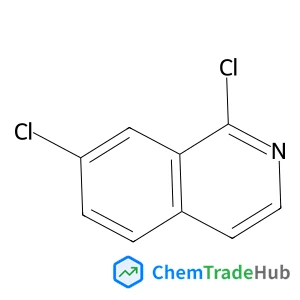
1,7-Dichloroisoquinoline
CAS Number: 70810-24-1
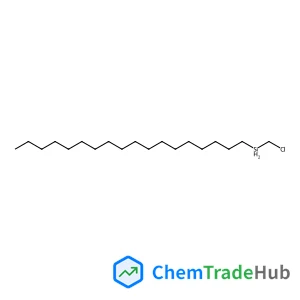
Silane, chloromethyloctadecyl-
CAS Number: 124694-97-9
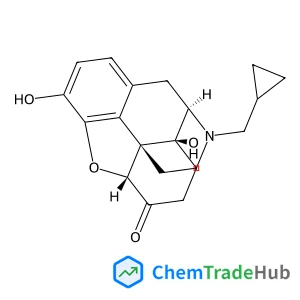
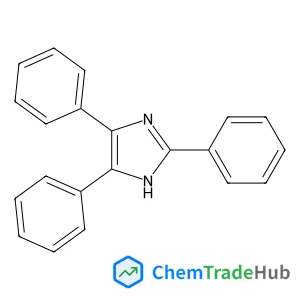
2,4,5-Triphenyl-1H-imidazole
CAS Number: 484-47-9
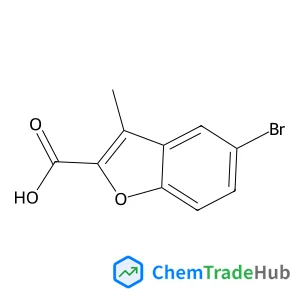
![[4-(Difluoromethoxy)phenyl]acetonitrile](https://static.chemtradehub.com/structs/414/41429-16-7-ae43.webp)
Other Suppliers for 2-(3-Chloropyridin-2-YL)Acetic acid






Basic Information
Molecular Formula
C7H6ClNO2
Molecular Weight
171.58 g/mol
Chemical Identifiers
SMILES
C1=CC(=C(N=C1)CC(=O)O)Cl
InChIKey
SAIMEUZXAQIFDD-UHFFFAOYSA-N
Database References
MDL Number
MFCD08277296
FAQ
2-(3-Chloropyridin-2-yl)acetic acid (CAS: 885167-73-7) falls under various regulatory frameworks such as the Globally Harmonized System of Classification and Labelling of Chemicals (GHS) for hazard communication. It is also subject to the EU Registration, Evaluation, Authorisation and Restriction of Chemicals (REACH) regulations, which require detailed safety data sheets and risk assessments. In the USA, it is regulated by the Environmental Protection Agency (EPA) and the Food and Drug Administration (FDA) for safety and environmental impact assessments.
Several alternatives can be used in the synthesis of 2-(3-Chloropyridin-2-yl)acetic acid (CAS: 885167-73-7), including 2-(2-chloropyridin-3-yl)acetic acid and 2-(4-chloropyridin-2-yl)acetic acid. Other common reagents like chloropyridine and acetic anhydride can also be used as substitutes, depending on the specific reaction conditions and desired product purity.
The market for 2-(3-Chloropyridin-2-yl)acetic acid (CAS: 885167-73-7) is growing due to its applications in pharmaceuticals and fine chemicals. Research trends are focusing on its use as an intermediate in the synthesis of novel drugs and in the development of new chemical processes. Market demand is also influenced by increasing environmental awareness, leading to more sustainable production methods.
Waste containing 2-(3-Chloropyridin-2-yl)acetic acid (CAS: 885167-73-7) should be collected and stored in appropriate containers lined with corrosion-resistant materials. Proper disposal methods include incineration or professional waste disposal services that comply with environmental regulations. It is crucial to follow local and international guidelines to prevent environmental contamination and ensure worker safety during handling and disposal.
Safety Notice
Please verify product specifications and safety data before use. Contact the supplier for detailed safety information.
Always follow proper handling procedures
Contact Information
Contact Person
Li Jun
2801519207@qq.com