



AD
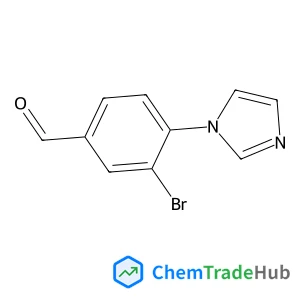
3-Bromo-4-(1H-imidazol-1-yl)benzaldehyde(CAS: 861932-08-3)
CAS Number
Related Products

2-Phenyl-9,10-anthraquinone
CAS Number: 6485-97-8

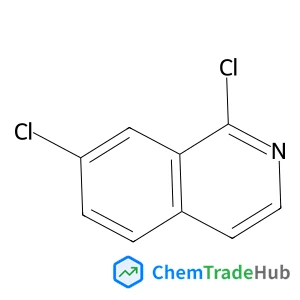
1,7-Dichloroisoquinoline
CAS Number: 70810-24-1

Silane, chloromethyloctadecyl-
CAS Number: 124694-97-9
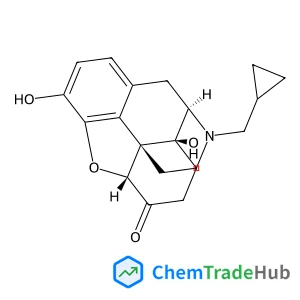

2,4,5-Triphenyl-1H-imidazole
CAS Number: 484-47-9
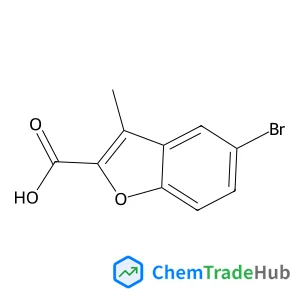
![[4-(Difluoromethoxy)phenyl]acetonitrile](https://static.chemtradehub.com/structs/414/41429-16-7-ae43.webp)

Other Suppliers for 3-Bromo-4-(1H-imidazol-1-yl)benzaldehyde







Basic Information
Molecular Formula
C10H7BrN2O
Molecular Weight
251.08 g/mol
Physical Properties
Boiling Point
400.7℃/760mmHg
Chemical Identifiers
SMILES
Brc1cc(C=O)ccc1n2ccnc2
InChIKey
MWRSHCXIXJNGGF-UHFFFAOYSA-N
Database References
MDL Number
MFCD11656797
FAQ
3-Bromo-4-(1H-imidazol-1-yl)benzaldehyde (CAS: 861932-08-3) is a crystalline solid with a molecular weight of approximately 252.04 g/mol. It has a low solubility in water but is more soluble in organic solvents like ethanol and dichloromethane. This compound is known for its reactivity, particularly in nucleophilic substitution reactions at the bromine atom and condensation reactions involving the benzaldehyde moiety. It is used in various synthetic routes and as a building block in organic synthesis.
3-Bromo-4-(1H-imidazol-1-yl)benzaldehyde (CAS: 861932-08-3) can be synthesized through the condensation of 4-bromoacetophenone with 1H-imidazole followed by the introduction of the benzaldehyde group. The reaction typically requires a catalyst such as sodium ethoxide in ethanol. High selectivity and good yield are achieved under these conditions, making this a popular method in academic and industrial settings.
3-Bromo-4-(1H-imidazol-1-yl)benzaldehyde (CAS: 861932-08-3) is used in the pharmaceutical industry for the synthesis of various drug candidates due to its functional groups. It is also employed in the polymer industry for developing new materials with specific properties. Additionally, it finds applications in sensor technology for its reactivity and in semiconductor manufacturing for its use in organic thin-film transistors.
When handling 3-Bromo-4-(1H-imidazol-1-yl)benzaldehyde (CAS: 861932-08-3), it is crucial to use personal protective equipment (PPE) such as gloves, safety goggles, and a lab coat. This compound should be handled in a well-ventilated area, preferably under a fume hood. Spills should be cleaned up using appropriate chemicals, and the area should be well-ventilated. In case of skin or eye contact, immediate washing with plenty of water and seeking medical advice is recommended. A Safety Data Sheet (SDS) should be consulted for detailed procedures and emergency information.
Safety Notice
Please verify product specifications and safety data before use. Contact the supplier for detailed safety information.
Always follow proper handling procedures
Contact Information
Contact Person
Li Jun
2801519207@qq.com