



AD
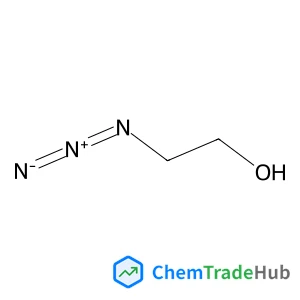
2-Diazenylethanol(CAS: 1517-05-1)
CAS Number
Related Products
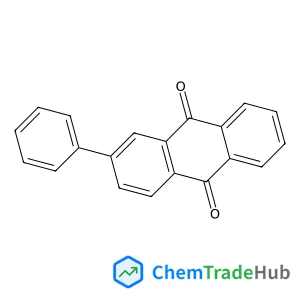
2-Phenyl-9,10-anthraquinone
CAS Number: 6485-97-8
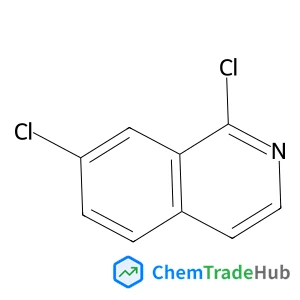
1,7-Dichloroisoquinoline
CAS Number: 70810-24-1
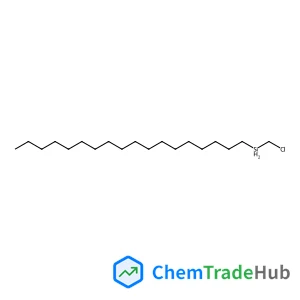
Silane, chloromethyloctadecyl-
CAS Number: 124694-97-9
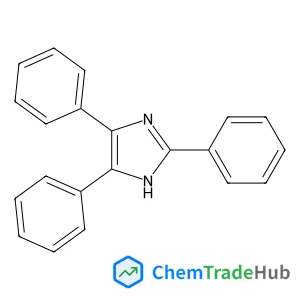
2,4,5-Triphenyl-1H-imidazole
CAS Number: 484-47-9
![[4-(Difluoromethoxy)phenyl]acetonitrile](https://static.chemtradehub.com/structs/414/41429-16-7-ae43.webp)
Other Suppliers for 2-Diazenylethanol




Basic Information
Molecular Formula
C2H6N2O
Molecular Weight
87.08 g/mol
Physical Properties
Boiling Point
77 ºC (24 Torr)
Flash Point
°C
Chemical Identifiers
SMILES
C(CO)N=[N+]=[N-]
InChIKey
SJTOFWBUPMRLCE-UHFFFAOYSA-N
Database References
MDL Number
MFCD01940545
FAQ
2-Diazenylethanol (CAS: 1517-05-1) falls under the scope of the Globally Harmonized System of Classification and Labelling of Chemicals (GHS) and is regulated by REACH in the European Union. In the United States, it is subject to the Occupational Safety and Health Administration (OSHA) and Environmental Protection Agency (EPA) regulations. Companies should ensure compliance with local and international hazardous chemical standards and safety data sheet (SDS) requirements.
Several alternatives to 2-Diazenylethanol exist in synthesis, including related compounds like 2-hydroxyethanedial and 2-mercaptoethanol. These alternatives can offer similar reactivity profiles. Researchers and chemists often choose alternatives based on availability, cost, and specific reaction requirements.
Research trends for 2-Diazenylethanol (CAS: 1517-05-1) are focused on its applications in organic synthesis, particularly as a reducing agent and as a building block for various organic compounds. Market trends indicate increasing demand in pharmaceutical and chemical industries, driven by its reactivity and versatility. Emerging research is exploring its use in green chemistry due to its potential environmental benefits.
Waste containing 2-Diazenylethanol (CAS: 1517-05-1) should be collected in appropriate containers and stored in a well-ventilated area. Proper waste management practices include neutralization or detoxification before disposal. Treatment by incineration or professional waste disposal services is recommended. Environmental protection measures should include minimizing release to the environment and following local and national hazardous waste regulations.
Safety Notice
Please verify product specifications and safety data before use. Contact the supplier for detailed safety information.
Always follow proper handling procedures
Contact Information
Contact Person
Li Jun
2801519207@qq.com