



AD
2-Methyl-2-propanyl 3-cyano-1-piperazinecarboxylate(CAS: 859518-35-7)
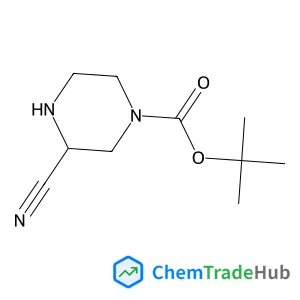
CAS Number
Related Products

2-Phenyl-9,10-anthraquinone
CAS Number: 6485-97-8

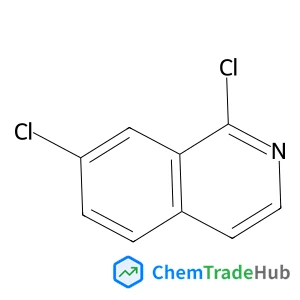
1,7-Dichloroisoquinoline
CAS Number: 70810-24-1

Silane, chloromethyloctadecyl-
CAS Number: 124694-97-9
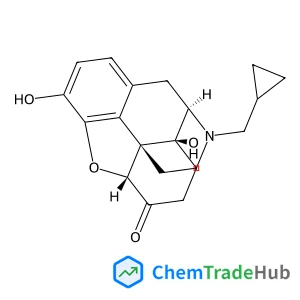
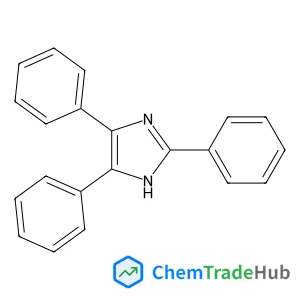
2,4,5-Triphenyl-1H-imidazole
CAS Number: 484-47-9

![[4-(Difluoromethoxy)phenyl]acetonitrile](https://static.chemtradehub.com/structs/414/41429-16-7-ae43.webp)

Other Suppliers for 2-Methyl-2-propanyl 3-cyano-1-piperazinecarboxylate





Basic Information
Molecular Formula
C10H17N3O2
Molecular Weight
211.26 g/mol
Physical Properties
Boiling Point
322.9°C at 760 mmHg
Density
1.12
Flash Point
149.1℃
Chemical Identifiers
SMILES
O=C(N1CC(C#N)NCC1)OC(C)(C)C
InChIKey
CBFXRUGJRMBDFG-UHFFFAOYSA-N
Database References
MDL Number
MFCD09991479
FAQ
2-Methyl-2-propanyl 3-cyano-1-piperazinecarboxylate (CAS: 859518-35-7) should comply with the GHS classification, which includes its hazardous properties for transportation and workplace safety. In the EU, it falls under the REACH regulations, requiring manufacturers and importers to register substances above a certain tonnage. Additionally, it is subject to FDA and EPA regulations for chemical products, including health and environmental impacts.
There are alternative reagents and methods that can be used in the synthesis of 2-Methyl-2-propanyl 3-cyano-1-piperazinecarboxylate. For example, using 2-methyl-2-propanol and 3-cyanopiperazine directly, or employing other functional group transformations. These alternatives can vary in reactivity, yield, and cost, making them suitable for different synthetic pathways.
The market for 2-Methyl-2-propanyl 3-cyano-1-piperazinecarboxylate is growing due to its applications in pharmaceuticals, agrochemicals, and research. Recent research trends focus on developing new synthetic methods and exploring its potential in medicinal chemistry. The compound's unique properties make it an attractive target for further investigation in drug discovery and chemical innovation.
Waste containing 2-Methyl-2-propanyl 3-cyano-1-piperazinecarboxylate should be collected and disposed of in accordance with local regulations. It is recommended to use appropriate containers and ensure proper labeling. The waste should be incinerated or disposed of through professional waste disposal services, ensuring that all environmental protection measures are followed to prevent contamination and protect public health. This compound is classified as hazardous, so it must be handled with care and in compliance with all relevant environmental regulations.
Safety Notice
Please verify product specifications and safety data before use. Contact the supplier for detailed safety information.
Always follow proper handling procedures
Contact Information
Contact Person
Li Jun
2801519207@qq.com