



AD
6(5H)-Phenanthridinone(CAS: 1015-89-0)
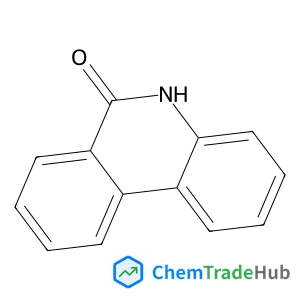
CAS Number
Related Products
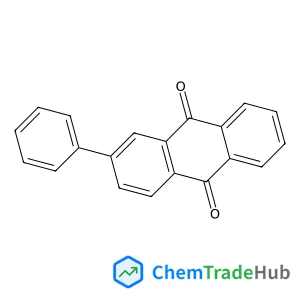
2-Phenyl-9,10-anthraquinone
CAS Number: 6485-97-8
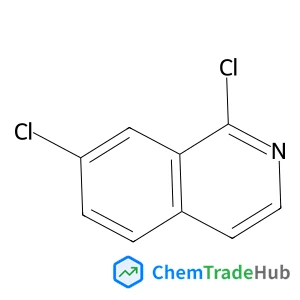
1,7-Dichloroisoquinoline
CAS Number: 70810-24-1
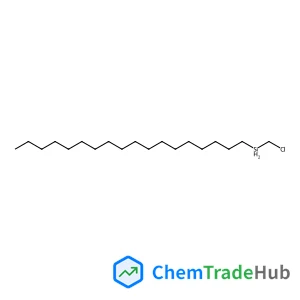
Silane, chloromethyloctadecyl-
CAS Number: 124694-97-9
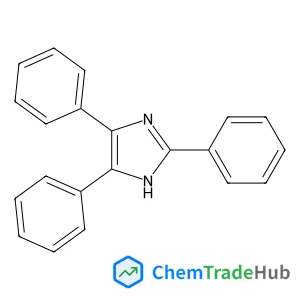
2,4,5-Triphenyl-1H-imidazole
CAS Number: 484-47-9
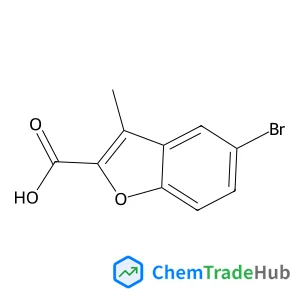
![[4-(Difluoromethoxy)phenyl]acetonitrile](https://static.chemtradehub.com/structs/414/41429-16-7-ae43.webp)
Other Suppliers for 6(5H)-Phenanthridinone





Basic Information
Molecular Formula
C13H9NO
Molecular Weight
195.22 g/mol
Physical Properties
Melting Point
290-292 °C (lit.)
Boiling Point
274.8°Cat760mmHg
Density
1.23
Flash Point
158.7°C
Water Solubility
Soluble in DMSO (5 mg/ml). Insoluble in water.
Chemical Identifiers
SMILES
C1=CC=C2C(=C1)C3=CC=CC=C3NC2=O
InChIKey
RZFVLEJOHSLEFR-UHFFFAOYSA-N
Database References
MDL Number
MFCD00004988
Beilstein Registry Number
140641
FAQ
6(5H)-Phenanthridinone (CAS: 1015-89-0) falls under various regulatory guidelines depending on its intended use. For industrial applications, it must comply with REACH regulations, which require registration and assessment of substances. In the United States, it is regulated under the Toxic Substances Control Act (TSCA) by the EPA. Additionally, the FDA might regulate it for pharmaceutical uses. The chemical is also classified according to GHS (Globally Harmonized System of Classification and Labeling of Chemicals), which includes health, environmental, and physical hazard information.
For synthesizing similar functionalities, alternatives to 6(5H)-Phenanthridinone (CAS: 1015-89-0) include other phenanthridone derivatives, such as 1,8-dihydroxyphenanthridone or 9-hydroxy-6(5H)-phenanthridinone. Other synthetic routes might use related compounds like phenanthrene or anthracene as starting materials. These alternatives can offer similar biological activities and can be used based on the desired properties and the specific application.
The market for 6(5H)-Phenanthridinone (CAS: 1015-89-0) is mainly driven by its potential applications in pharmaceuticals and organic synthesis. Research trends indicate a growing interest in its use as a precursor for drug design and development due to its pharmacological properties. Additionally, there is increasing exploration of its use in natural product chemistry and as a model compound for studying chemical reactions. Market analysis suggests a steady demand with potential for growth due to its unique chemical properties.
Waste containing 6(5H)-Phenanthridinone (CAS: 1015-89-0) should be handled according to local regulations and safety protocols. Collection should be done in sealed, appropriate containers to prevent leakage. For safe disposal, incineration is a common method, but it must be conducted at a licensed facility. Alternatively, professional waste disposal services can handle the waste, ensuring compliance with environmental protection regulations. Handling should always be done with personal protective equipment and in a well-ventilated area to avoid exposure to the chemical.
Safety Notice
Please verify product specifications and safety data before use. Contact the supplier for detailed safety information.
Always follow proper handling procedures
Contact Information
Contact Person
Li Jun
2801519207@qq.com