



AD
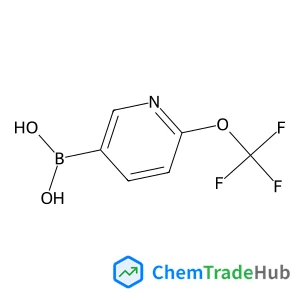
(6-(Trifluoromethoxy)pyridin-3-yl)boronic acid(CAS: 1008140-70-2)
CAS Number
Related Products
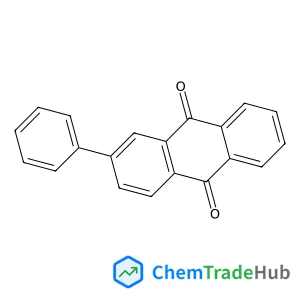
2-Phenyl-9,10-anthraquinone
CAS Number: 6485-97-8
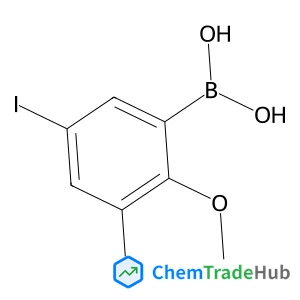
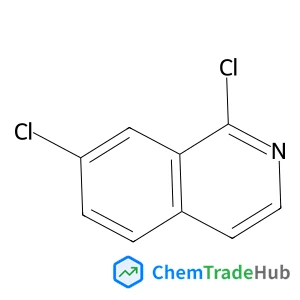
1,7-Dichloroisoquinoline
CAS Number: 70810-24-1
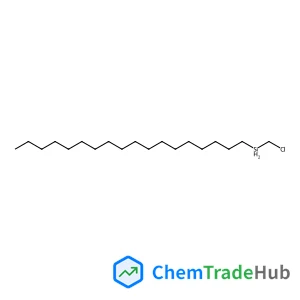
Silane, chloromethyloctadecyl-
CAS Number: 124694-97-9
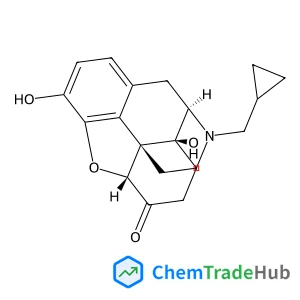
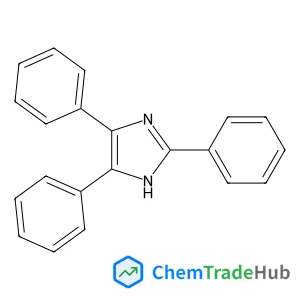
2,4,5-Triphenyl-1H-imidazole
CAS Number: 484-47-9
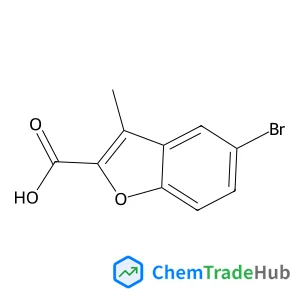
![[4-(Difluoromethoxy)phenyl]acetonitrile](https://static.chemtradehub.com/structs/414/41429-16-7-ae43.webp)
Other Suppliers for (6-(Trifluoromethoxy)pyridin-3-yl)boronic acid







Basic Information
Molecular Formula
C6H5BF3NO3
Molecular Weight
206.92 g/mol
Physical Properties
Boiling Point
259.7±50.0℃ at 760 mmHg
Chemical Identifiers
SMILES
B(C1=CN=C(C=C1)OC(F)(F)F)(O)O
InChIKey
UTNFOSHVMVOKPG-UHFFFAOYSA-N
Database References
MDL Number
MFCD07374890
FAQ
The regulatory guidelines for (6-(Trifluoromethoxy)pyridin-3-yl)boronic acid (CAS: 1008140-70-2) include GHS classification, REACH regulations, and FDA/EPA related requirements. GHS categorizes it as a flammable solid. REACH requires registration, evaluation, and authorization for certain uses. FDA and EPA may have additional specific regulations concerning its handling, storage, and disposal.
Alternatives to (6-(Trifluoromethoxy)pyridin-3-yl)boronic acid in synthesis include other boronic acids like (2,3-difluorophenyl)boronic acid, 2-fluorophenylboronic acid, and 4-fluorophenylboronic acid. These alternatives offer similar functionalities but with different substituents, making them useful in various synthetic routes.
The market for (6-(Trifluoromethoxy)pyridin-3-yl)boronic acid is growing due to its applications in pharmaceuticals and organic synthesis. Research trends focus on its use as a key intermediate in the synthesis of biologically active compounds. Price trends indicate steady demand, with minor fluctuations based on supply and demand dynamics. Emerging research fields include its role in drug discovery and as a catalyst in complex organic reactions.
Waste containing (6-(Trifluoromethoxy)pyridin-3-yl)boronic acid should be collected in appropriate containers and disposed of through professional waste disposal services. Incineration is a common method, but specific environmental protection precautions must be followed. Ensure waste is neutralized if necessary and treated to minimize environmental impact. Compliance with local regulations is crucial to ensure safe and environmentally friendly disposal.
Safety Notice
Please verify product specifications and safety data before use. Contact the supplier for detailed safety information.
Always follow proper handling procedures
Contact Information
Contact Person
Li Jun
2801519207@qq.com