



AD
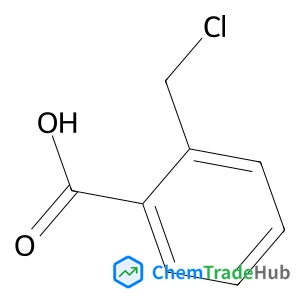
2-(Chloromethyl)benzoic acid(CAS: 85888-81-9)
CAS Number
Related Products
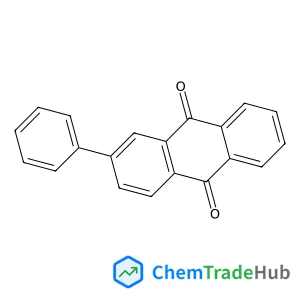
2-Phenyl-9,10-anthraquinone
CAS Number: 6485-97-8
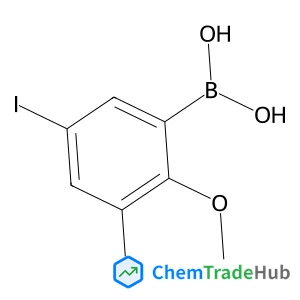
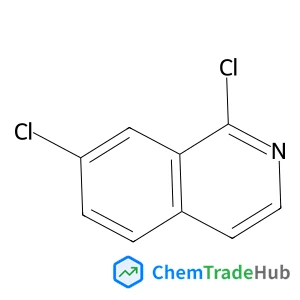
1,7-Dichloroisoquinoline
CAS Number: 70810-24-1
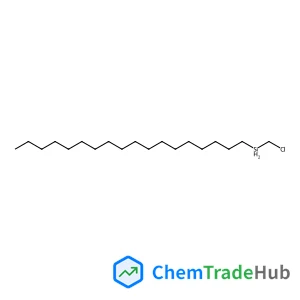
Silane, chloromethyloctadecyl-
CAS Number: 124694-97-9
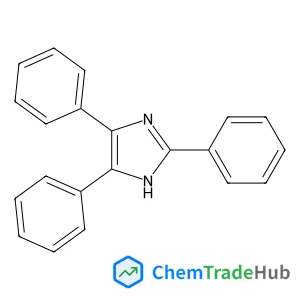
2,4,5-Triphenyl-1H-imidazole
CAS Number: 484-47-9
![[4-(Difluoromethoxy)phenyl]acetonitrile](https://static.chemtradehub.com/structs/414/41429-16-7-ae43.webp)
Other Suppliers for 2-(Chloromethyl)benzoic acid






Basic Information
Molecular Formula
C8H7ClO2
Molecular Weight
170.6 g/mol
Physical State
No data available
Physical Properties
Melting Point
135-139°C
Boiling Point
305.7±17.0 °C at 760 mmHg
Density
1.3±0.1 g/cm3
Flash Point
138.7±20.9 °C
Chemical Identifiers
SMILES
c1ccc(c(c1)CCl)C(=O)O
InChIKey
YTEUDCIEJDRJTM-UHFFFAOYSA-N
Database References
MDL Number
MFCD06208434
Beilstein Registry Number
1940772
FAQ
2-(Chloromethyl)benzoic acid (CAS: 85888-81-9) is regulated under the Globally Harmonized System of Classification and Labeling of Chemicals (GHS), requiring specific hazard communication elements such as signal words, pictograms, and hazard statements. In the European Union, it falls under REACH regulations, which require registration of substances above a certain tonnage. For FDA and EPA, proper handling and disposal methods must be followed, including reporting of releases and managing hazardous waste.
Potential alternatives to 2-(Chloromethyl)benzoic acid include other chlorobenzoic acids or derivatives with different functional groups. Common substitute reagents might include chloral hydrate or other halogenated compounds. These alternatives can offer similar chemical reactivity but with potentially different physical and environmental properties.
The market for 2-(Chloromethyl)benzoic acid is largely driven by its use in pharmaceutical and fine chemical applications. Recent research trends include the development of greener synthesis methods and the exploration of its use as a precursor in the production of other pharmaceuticals. Market trends indicate a steady demand with occasional fluctuations based on industry changes and regulatory impacts.
Waste containing 2-(Chloromethyl)benzoic acid should be collected in appropriate containers and stored under safe conditions to prevent contamination. Proper incineration or professional waste disposal is recommended, following local regulations. Environmental precautions include ensuring that waste does not enter water systems or soil, and appropriate protective measures should be taken by personnel involved in handling the waste.
Safety Notice
Please verify product specifications and safety data before use. Contact the supplier for detailed safety information.
Always follow proper handling procedures
Contact Information
Contact Person
Li Jun
2801519207@qq.com