



AD
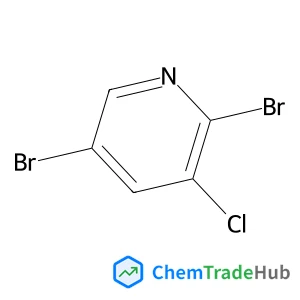
2,5-Dibromo-3-chloropyridine(CAS: 160599-70-2)
CAS Number
Related Products

2-Phenyl-9,10-anthraquinone
CAS Number: 6485-97-8
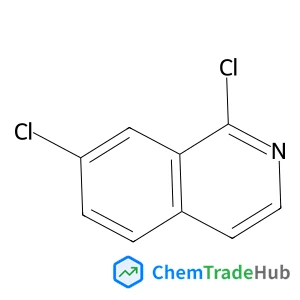
1,7-Dichloroisoquinoline
CAS Number: 70810-24-1
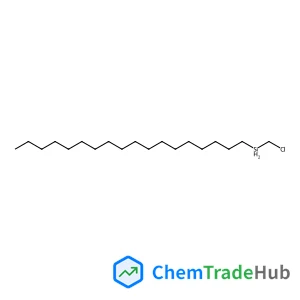
Silane, chloromethyloctadecyl-
CAS Number: 124694-97-9
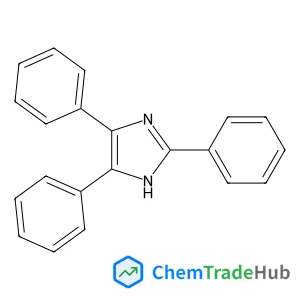
2,4,5-Triphenyl-1H-imidazole
CAS Number: 484-47-9
![[4-(Difluoromethoxy)phenyl]acetonitrile](https://static.chemtradehub.com/structs/414/41429-16-7-ae43.webp)
Other Suppliers for 2,5-Dibromo-3-chloropyridine




Basic Information
Molecular Formula
C5H2Br2ClN
Molecular Weight
271.34 g/mol
Physical Properties
Boiling Point
263.3℃ at 760 mmHg
Density
2.136
Flash Point
113°C
Chemical Identifiers
SMILES
C1=C(C=NC(=C1Cl)Br)Br
InChIKey
FMPHOXAZOVLRIF-UHFFFAOYSA-N
Database References
MDL Number
MFCD08277306
FAQ
2,5-Dibromo-3-chloropyridine (CAS: 160599-70-2) is subject to the Globally Harmonized System of Classification and Labelling of Chemicals (GHS) for hazardous substances. It is also regulated under the European Union's Registration, Evaluation, Authorization and Restriction of Chemicals (REACH) Directive, as well as the U.S. Food and Drug Administration (FDA) and Environmental Protection Agency (EPA) for specific uses and applications. Compliance with these regulations is essential for the safe handling and disposal of the compound.
While 2,5-Dibromo-3-chloropyridine (CAS: 160599-70-2) is a specific compound, alternatives such as 2,5-dibromopyridine and 3-chloropyridine can be used as substitutes in certain synthetic routes. Other isomers or analogs, depending on the desired chemical properties, can also be considered. However, the choice of alternative reagents must be based on the specific requirements of the synthesis and should be evaluated for safety and efficacy.
2,5-Dibromo-3-chloropyridine (CAS: 160599-70-2) is primarily used in pharmaceutical and agrochemical industries. Market trends indicate growing interest in its application for developing new drugs and pesticides. Research is also focusing on the environmental impact and biodegradability of this compound, which influences its market dynamics and future demand. The compound's specific uses are likely to expand as new applications are discovered and as regulatory frameworks evolve.
Waste containing 2,5-Dibromo-3-chloropyridine (CAS: 160599-70-2) should be collected and disposed of in accordance with local and national regulations. It is important to neutralize the waste before disposal to minimize environmental impact. Incineration is a common method for disposal, but professional waste disposal services are recommended to ensure compliance with safety and environmental standards. Proper handling and disposal methods should be determined based on the specific characteristics and volume of the waste.
Safety Notice
Please verify product specifications and safety data before use. Contact the supplier for detailed safety information.
Always follow proper handling procedures
Contact Information
Contact Person
Li Jun
2801519207@qq.com