



AD
4-Hydroxy-3-nitrobenzaldehyde(CAS: 3011-34-5)

CAS Number
Related Products
![2-[(1S)-4-Methyl-3-cyclohexen-1-yl]-2-propanol](https://static.chemtradehub.com/structs/104/10482-56-1-9412.webp)

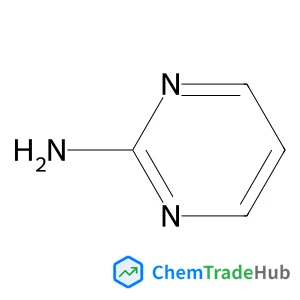
2(1H)-Pyrimidinimine
CAS Number: 109-12-6

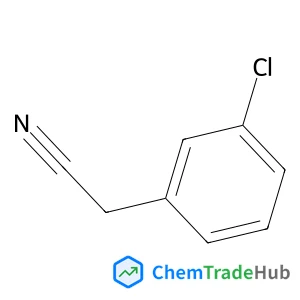
(3-Chlorophenyl)acetonitrile
CAS Number: 1529-41-5
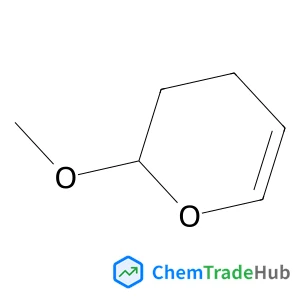
2-methoxy-3,4-dihydro-2H-pyran
CAS Number: 4454-05-1

Zirconium(4+) tetra(1-naphthoate)
CAS Number: 72854-21-8

Other Suppliers for 4-Hydroxy-3-nitrobenzaldehyde


Basic Information
Molecular Formula
C7H5NO4
Molecular Weight
167.12 g/mol
Physical Properties
Melting Point
140-142 °C (lit.)
Boiling Point
275°C at 760 mmHg
Flash Point
124.3℃
Chemical Identifiers
SMILES
C1=CC(=C(C=C1C=O)[N+](=O)[O-])O
InChIKey
YTHJCZRFJGXPTL-UHFFFAOYSA-N
Database References
MDL Number
MFCD00007117
Beilstein Registry Number
2047884
FAQ
4-Hydroxy-3-nitrobenzaldehyde (CAS: 3011-34-5) is regulated under various guidelines including GHS (Globally Harmonized System of Classification and Labeling of Chemicals) for hazardous communication, REACH (Registration, Evaluation, Authorization and Restriction of Chemicals) for import and production regulations in the European Union, and FDA (Food and Drug Administration) and EPA (Environmental Protection Agency) guidelines for safety and environmental protection in the United States. It is important to consult the latest regulatory documents and safety data sheets for detailed information.
Alternative reagents and compounds to 4-Hydroxy-3-nitrobenzaldehyde (CAS: 3011-34-5) in synthesis include 4-nitrobenzaldehyde and 3-hydroxy-4-nitrobenzaldehyde. These compounds are used in similar reactions and can serve as viable alternatives depending on the specific application. It is crucial to evaluate the reactivity and properties of these alternatives for the desired synthesis.
The market for 4-Hydroxy-3-nitrobenzaldehyde (CAS: 3011-34-5) is primarily driven by its use in pharmaceuticals, dyes, and as an intermediate in organic synthesis. Research trends are focused on its application in developing new compounds and materials, as well as exploring its potential in biotechnology and environmental science. The increasing demand in the pharmaceutical industry is expected to drive market growth in the coming years.
Waste containing 4-Hydroxy-3-nitrobenzaldehyde (CAS: 3011-34-5) should be collected in appropriate containers and properly labeled. It should be disposed of through professional waste disposal services. Incineration is a common method, but it must be conducted in an enclosed and controlled environment to minimize environmental impact. Environmental protection precautions include ensuring no leakage or spillage during handling and disposal to prevent contamination of soil and water sources.
Safety Notice
Please verify product specifications and safety data before use. Contact the supplier for detailed safety information.
Always follow proper handling procedures
Contact Information
Contact Person
Manager Sun
13914000513@163.com
Mobile
13914000513
Visit Website
http://www.jsczhg.com/Address
Jiangsu Province Suzhou City