



AD
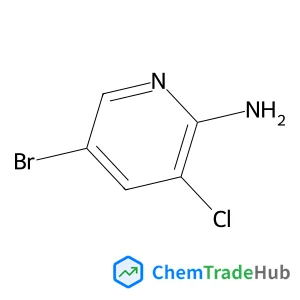
5-Bromo-3-chloro-2-pyridinamine(CAS: 38185-55-6)
CAS Number
Related Products
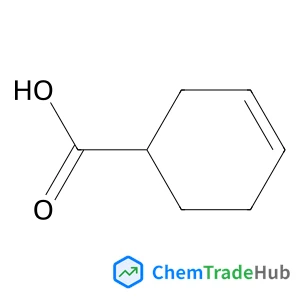
(1S)-3-Cyclohexene-1-carboxylic acid
CAS Number: 5708-19-0
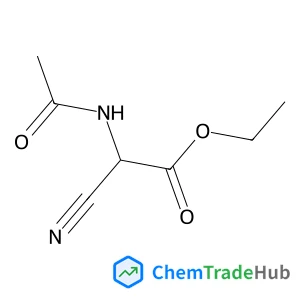
Ethyl Acetamidocyanoacetate
CAS Number: 4977-62-2
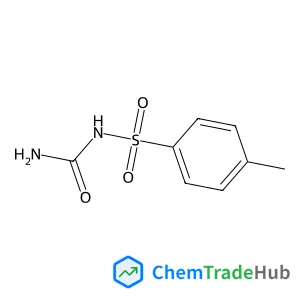
N-Carbamoyl-4-methylbenzenesulfonamide
CAS Number: 1694-06-0
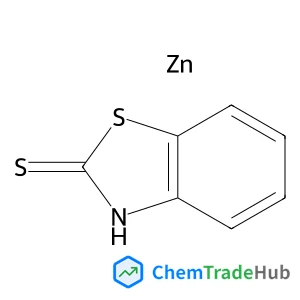
Zinc bis(1,3-benzothiazole-2-thiolate)
CAS Number: 155-04-4
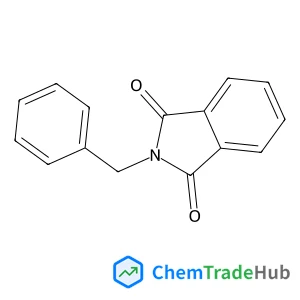
2-Benzyl-1H-isoindole-1,3(2H)-dione
CAS Number: 2142-01-0
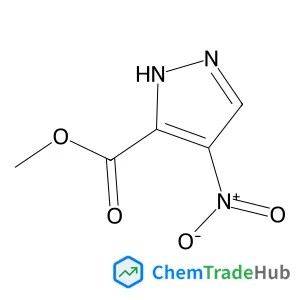
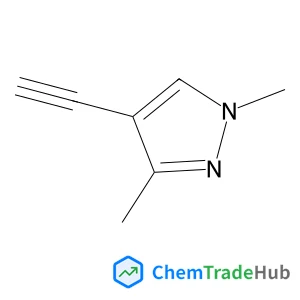
4-Ethynyl-1,3-dimethyl-1H-pyrazole
CAS Number: 61514-53-2
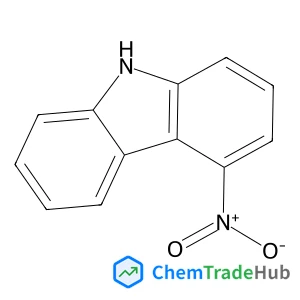
1-Nitro-9H-carbazole
CAS Number: 57905-76-7
Other Suppliers for 5-Bromo-3-chloro-2-pyridinamine



Basic Information
Molecular Formula
C5H4BrClN2
Molecular Weight
207.46 g/mol
Physical Properties
Boiling Point
232.5℃ at 760 mmHg
Chemical Identifiers
SMILES
C1=C(C=NC(=C1Cl)N)Br
InChIKey
VXCUGLKQXLPHKI-UHFFFAOYSA-N
Database References
MDL Number
MFCD11110443
FAQ
5-Bromo-3-chloro-2-pyridinamine is a crystalline solid with a molecular weight of approximately 218.01 g/mol. It is slightly soluble in water and more soluble in organic solvents like methanol and ethanol. This compound exhibits moderate reactivity and is susceptible to hydrolysis under basic conditions. It is typically stored at room temperature away from moisture and heat.
5-Bromo-3-chloro-2-pyridinamine is often synthesized via the condensation of 3-chloro-2-pyridinamine with bromine in the presence of a base. The reaction is typically carried out in a polar aprotic solvent like acetonitrile. The yield is around 70-80%, and the product is isolated via recrystallization from a suitable solvent.
5-Bromo-3-chloro-2-pyridinamine is used in the pharmaceutical industry for the synthesis of various drug intermediates. It is also employed in the polymer industry for the development of functional polymers and in the sensor industry for the fabrication of gas sensors. Additionally, it has applications in semiconductor manufacturing for doping materials.
Proper personal protective equipment (PPE) must be worn when handling 5-Bromo-3-chloro-2-pyridinamine, including gloves, goggles, and a lab coat. Work should be conducted in a well-ventilated fume hood. Spills should be cleaned up using an appropriate absorbent material and disposed of according to local regulations. Always refer to the safety data sheet (SDS) for specific handling and disposal instructions.
Safety Notice
Please verify product specifications and safety data before use. Contact the supplier for detailed safety information.
Always follow proper handling procedures
Contact Information
jacschem@163.com