



AD
3,4-Dichloro-1,2-thiazole-5-carboxylic acid(CAS: 18480-53-0)
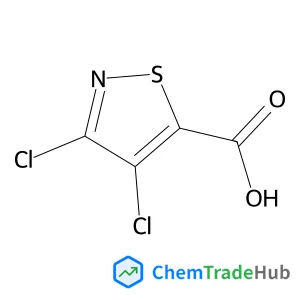
CAS Number
Related Products
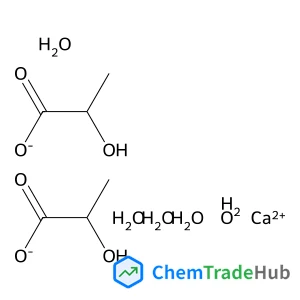
Calcium Lactate Pentahydrate
CAS Number: 5743-47-5
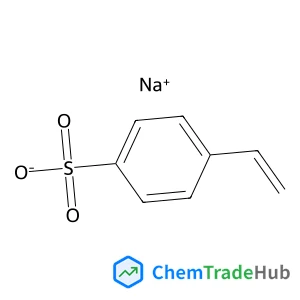
Sodium 4-vinylbenzenesulfonate
CAS Number: 2695-37-6
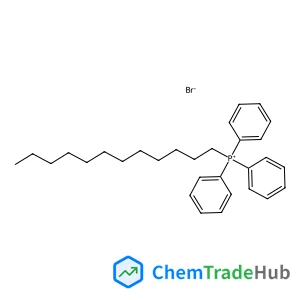
Dodecyl(triphenyl)phosphonium bromide
CAS Number: 15510-55-1
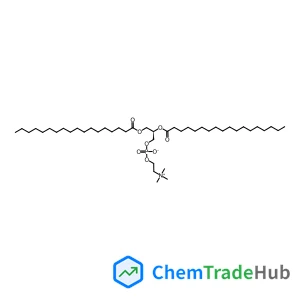
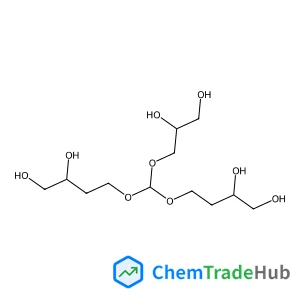
Poly(Propylene Glycol)
CAS Number: 25791-96-2
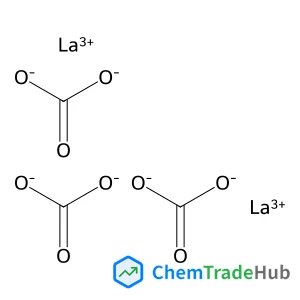
LANTHANUM CARBONATE
CAS Number: 587-26-8
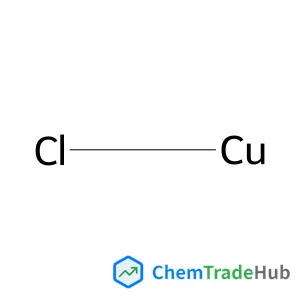
Copper(1+) chloride
CAS Number: 1344-67-8
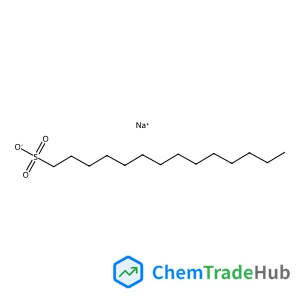
Sodium 1-tetradecanesulfonate
CAS Number: 6994-45-2
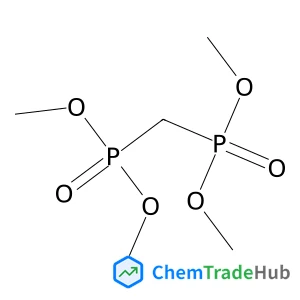
Tetramethyl methylenebis(phosphonate)
CAS Number: 16001-93-7
Other Suppliers for 3,4-Dichloro-1,2-thiazole-5-carboxylic acid






Basic Information
Molecular Formula
C4HCl2NO2S
Molecular Weight
198.03 g/mol
Physical State
Solid
Physical Properties
Melting Point
179-180 ºC
Boiling Point
205.9°C at 760 mmHg
Chemical Identifiers
SMILES
C1(=C(SN=C1Cl)C(=O)O)Cl
InChIKey
HQZKNCJWLIWCSV-UHFFFAOYSA-N
Database References
MDL Number
MFCD03789232
FAQ
3,4-Dichloro-1,2-thiazole-5-carboxylic acid is a crystalline solid with a molecular weight of approximately 218.03 g/mol. It has poor water solubility and is more soluble in organic solvents. It is known for its acidic nature and reactivity towards nucleophiles. This compound can undergo various chemical transformations, including esterification and amide formation.
3,4-Dichloro-1,2-thiazole-5-carboxylic acid is commonly synthesized through the condensation of chloroacetyl chloride with 2-chlorothiazole. The reaction proceeds via a nucleophilic substitution and condensation mechanism, yielding a high yield of the desired product. This process often involves the use of a basic catalyst to enhance the reaction selectivity.
3,4-Dichloro-1,2-thiazole-5-carboxylic acid finds application in the pharmaceutical industry for the synthesis of certain medicinal compounds. It also has potential uses in the polymer industry for the development of functional materials. Additionally, it can be employed in the field of sensors and semiconductors due to its unique chemical properties.
When handling 3,4-Dichloro-1,2-thiazole-5-carboxylic acid, it is essential to use appropriate personal protective equipment (PPE) such as gloves, goggles, and a lab coat. This compound should be handled in a well-ventilated area or under a fume hood due to its potential for inhalation. In the event of a spill, it is important to follow the safety data sheet (SDS) guidelines for proper disposal and clean-up procedures to prevent environmental contamination.
Safety Notice
Please verify product specifications and safety data before use. Contact the supplier for detailed safety information.
Always follow proper handling procedures
Contact Information
Contact Person
Manager Shi
1373640151@qq.com