



AD
Trifluoroacetonitrile(CAS: 353-85-5)
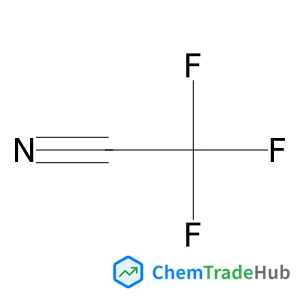
CAS Number
Related Products
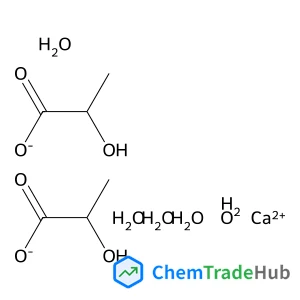
Calcium Lactate Pentahydrate
CAS Number: 5743-47-5
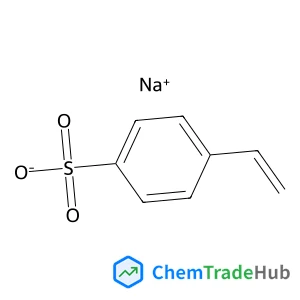
Sodium 4-vinylbenzenesulfonate
CAS Number: 2695-37-6
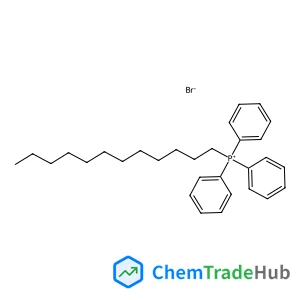
Dodecyl(triphenyl)phosphonium bromide
CAS Number: 15510-55-1


Poly(Propylene Glycol)
CAS Number: 25791-96-2
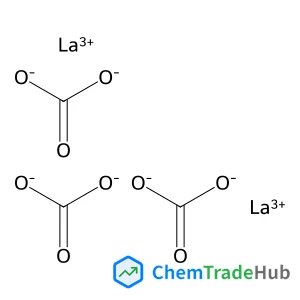
LANTHANUM CARBONATE
CAS Number: 587-26-8

Copper(1+) chloride
CAS Number: 1344-67-8

Sodium 1-tetradecanesulfonate
CAS Number: 6994-45-2
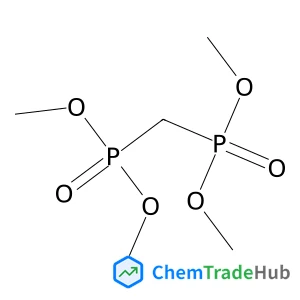
Tetramethyl methylenebis(phosphonate)
CAS Number: 16001-93-7
Other Suppliers for Trifluoroacetonitrile






Basic Information
Molecular Formula
C2F3N
Molecular Weight
84.04 g/mol
Physical Properties
Melting Point
-144.42°C
Boiling Point
-64 °C
Chemical Identifiers
SMILES
C(#N)C(F)(F)F
InChIKey
SFFUEHODRAXXIA-UHFFFAOYSA-N
Database References
MDL Number
MFCD00039478
FAQ
Trifluoroacetonitrile (CAS: 353-85-5) is a colorless, fuming liquid with a molecular weight of approximately 132.06 g/mol. It has a high boiling point of 63.7°C and is moderately soluble in water. This compound is highly reactive, particularly towards nucleophiles and bases, making it important in organic synthesis. It is also known for its ability to form hydrogen bonds, which contribute to its physical properties.
Trifluoroacetonitrile (CAS: 353-85-5) is typically synthesized by the radical addition of trifluoroacetic acid to acetonitrile. This reaction can be catalyzed by UV light or other initiators. The process is highly selective and generally yields a purifiable product. Other methods include the fluoride-mediated reaction of acetonitrile with trifluoroacetic anhydride, although this route is less common.
Trifluoroacetonitrile (CAS: 353-85-5) is primarily used in the pharmaceutical industry for the synthesis of certain drugs, particularly those requiring fluorine atoms. It is also utilized in the polymer industry for the preparation of functionalized polymers. Additionally, it finds applications in sensor technology and semiconductor manufacturing due to its reactivity and ability to form stable complexes.
When handling Trifluoroacetonitrile (CAS: 353-85-5), it is essential to use personal protective equipment (PPE) such as gloves, goggles, and a lab coat. This compound should be used in a well-ventilated area or a fume hood to minimize exposure. Spills should be cleaned up using appropriate absorbents and disposed of according to local regulations. Always consult the Safety Data Sheet (SDS) for detailed handling and disposal information.
Safety Notice
Please verify product specifications and safety data before use. Contact the supplier for detailed safety information.
Always follow proper handling procedures
Contact Information
Contact Person
Manager Shi
1373640151@qq.com