



AD
5-Nitro-2-pyridinecarbonitrile(CAS: 100367-55-3)
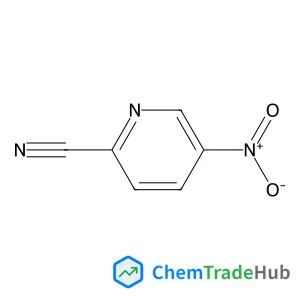
CAS Number
Related Products
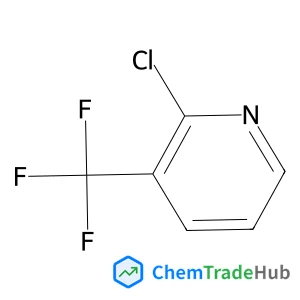
2-Chloro-3-(trifluoromethyl)pyridine
CAS Number: 65753-47-1
![Chloro[3,3'-(3,7,12,17-tetramethyl-8,13-divinyl-2,18-porphyrindiyl-kappa~2~N~22~,N~24~)dipropanoato(2-)]iron](https://static.chemtradehub.com/structs/160/16009-13-5-7abd.webp)

N-Carbamimidoylglycine
CAS Number: 352-97-6


6-Amino-2(1H)-pyrimidinone
CAS Number: 71-30-7
![(R)-[1,1'-Binaphthalene]-2,2'-diyl bis(trifluoromethanesulfonate)](https://static.chemtradehub.com/structs/128/128544-05-8-35f1.webp)
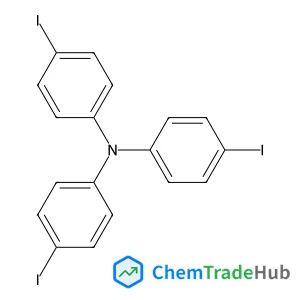
4-Iodo-N,N-bis(4-iodophenyl)aniline
CAS Number: 4181-20-8

Tributyl(hexadecyl)phosphonium bromide
CAS Number: 14937-45-2

Other Suppliers for 5-Nitro-2-pyridinecarbonitrile





Basic Information
Molecular Formula
C6H3N3O2
Molecular Weight
149.11 g/mol
Physical Properties
Boiling Point
344.5°C at 760 mmHg
Density
1.41
Flash Point
162.2℃
Chemical Identifiers
SMILES
C1=CC(=NC=C1[N+](=O)[O-])C#N
InChIKey
YZDHDHMJKCKESU-UHFFFAOYSA-N
Database References
MDL Number
MFCD07368184
FAQ
5-Nitro-2-pyridinecarbonitrile (CAS: 100367-55-3) falls under the Globally Harmonized System of Classification and Labelling of Chemicals (GHS) as a category 4 skin corrosion/irritation agent. It is also subject to the European Union's Registration, Evaluation, Authorization and Restriction of Chemicals (REACH) legislation, which requires manufacturers and importers to register substances with the European Chemicals Agency (ECHA). Additionally, the U.S. Food and Drug Administration (FDA) and the Environmental Protection Agency (EPA) have specific requirements for the handling and disposal of this compound.
Alternatives to 5-Nitro-2-pyridinecarbonitrile (CAS: 100367-55-3) in synthesis include other pyridine derivatives such as 2-pyridinecarbonitrile, 3-nitro-2-pyridinecarbonitrile, and 4-nitro-2-pyridinecarbonitrile. Additionally, using other nitrating agents like concentrated nitric acid or mixed nitrating agents can provide similar functionalities with different reaction profiles.
The market for 5-Nitro-2-pyridinecarbonitrile (CAS: 100367-55-3) is primarily driven by its use in pharmaceuticals and agrochemicals, where it serves as a key intermediate. Research trends indicate a focus on developing more efficient synthesis routes and exploring its potential in more specialized applications, such as in catalysis and material science. Emerging trends also include the study of its environmental impact and the development of safer alternatives.
Waste containing 5-Nitro-2-pyridinecarbonitrile (CAS: 100367-55-3) should be handled according to local and international regulations. It is advisable to collect and store waste in appropriate containers with tight seals to prevent leakage. For proper disposal, incineration is often recommended due to its stability and potential for complete destruction. Alternatively, professional waste disposal services that adhere to environmental protection standards can be utilized. Always ensure that the waste is neutralized if necessary and that all precautions to prevent environmental contamination are taken.
Safety Notice
Please verify product specifications and safety data before use. Contact the supplier for detailed safety information.
Always follow proper handling procedures