



AD
1,1,1-Trichloro-2,2,2-trifluoroethane(CAS: 354-58-5)

CAS Number
Related Products
![2-Chloro-10-[3-(4-methyl-1-piperazinyl)propyl]-10H-phenothiazine](https://static.chemtradehub.com/structs/58-/58-38-8-9a44.webp)
![(2S)-2-Amino-4-[(2-methyl-2-propanyl)oxy]-4-oxobutanoic acid](https://static.chemtradehub.com/structs/305/3057-74-7-60dc.webp)
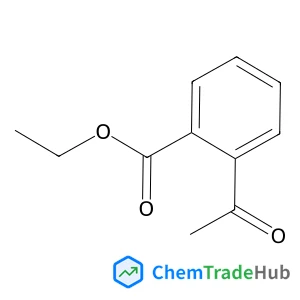
Ethyl 2-acetylbenzoate
CAS Number: 103935-10-0
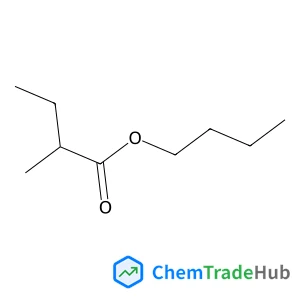
Butanoic acid, 2-methyl-, butyl ester
CAS Number: 15706-73-7
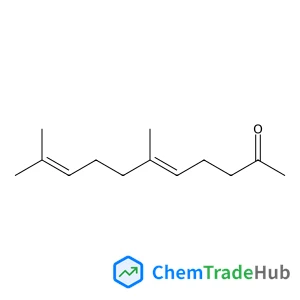
6,10-Dimethyl-5,9-undecadien-2-one
CAS Number: 689-67-8

Sodium chloride
CAS Number: 7647-14-5
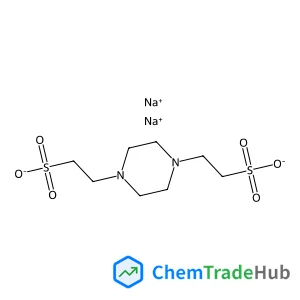
Other Suppliers for 1,1,1-Trichloro-2,2,2-trifluoroethane






Basic Information
Molecular Formula
C2Cl3F3
Molecular Weight
187.38 g/mol
Physical Properties
Melting Point
13-14 ºC
Boiling Point
46°C
Flash Point
None
Chemical Identifiers
SMILES
C(C(Cl)(Cl)Cl)(F)(F)F
InChIKey
BOSAWIQFTJIYIS-UHFFFAOYSA-N
Database References
MDL Number
MFCD00039361
Beilstein Registry Number
1699455
FAQ
1,1,1-Trichloro-2,2,2-trifluoroethane (CAS: 354-58-5) is a colorless, non-flammable, and volatile liquid with a molecular weight of approximately 137.5 g/mol. It has a high boiling point of 86.9°C and a low melting point of -32.5°C. The compound is slightly soluble in water but soluble in most organic solvents. It is moderately reactive towards basic substances and does not react with acids. It is often used as a solvent and as a blowing agent in the refrigerant and aerosol industries.
1,1,1-Trichloro-2,2,2-trifluoroethane (CAS: 354-58-5) is typically synthesized via the chlorination of 2,2,2-trifluoroethanol in the presence of hydrochloric acid as the catalyst. The process involves the addition of chlorine to the fluorinated alcohol under controlled conditions to ensure high selectivity and yield. The reaction is exothermic and requires careful temperature control to prevent the runaway reaction.
1,1,1-Trichloro-2,2,2-trifluoroethane (CAS: 354-58-5) is primarily used in the refrigerant and aerosol industries as a blowing agent and solvent. It is also utilized in the polymer industry for the production of fluoropolymers, and in the semiconductor industry as a cleaning agent. Additionally, it can be found in the pharmaceutical industry as a solvent for certain drugs and in sensors for its ability to detect specific chemical reactions.
When handling 1,1,1-Trichloro-2,2,2-trifluoroethane (CAS: 354-58-5), it is important to use personal protective equipment (PPE) such as gloves, goggles, and a lab coat to prevent skin and eye contact. The compound should be stored in a well-ventilated area, away from heat sources and ignition hazards. Handling should be conducted in a fume hood to minimize inhalation risk. In case of spill, the area should be ventilated and the spill cleaned up using appropriate absorbent materials. Immediate medical attention should be sought if exposure occurs, and the Material Safety Data Sheet (MSDS) should be consulted for detailed safety information.
Safety Notice
Please verify product specifications and safety data before use. Contact the supplier for detailed safety information.
Always follow proper handling procedures
Contact Information
Contact Person
Hu Gebing
2369399482@qq.com