



AD
Chromium(3+) tris(hydrogen sulfate)(CAS: 39380-78-4)
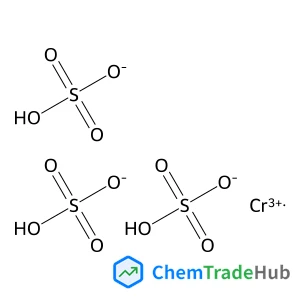
CAS Number
Related Products
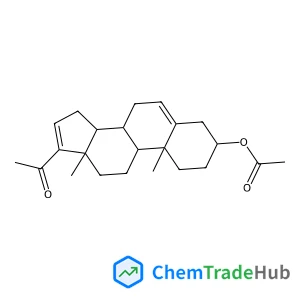
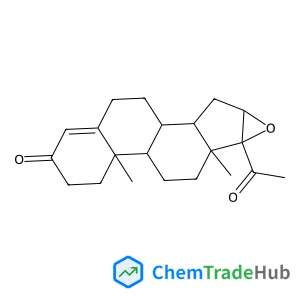
16-Dehydropregnenolone acetate
CAS Number: 979-02-2
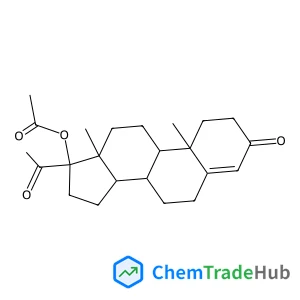
Progesterone Acetate
CAS Number: 302-23-8
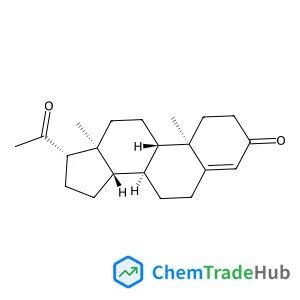
Pregn-4-ene-3,20-dione
CAS Number: 57-83-0
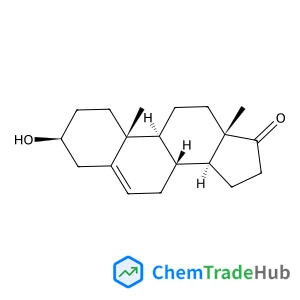
(3beta)-3-Hydroxyandrost-5-en-17-one
CAS Number: 53-43-0
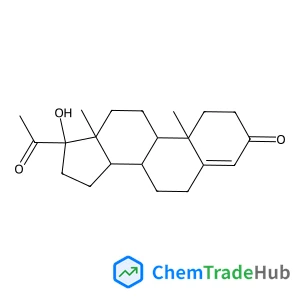
17-Hydroxypregn-4-ene-3,20-dione
CAS Number: 68-96-2
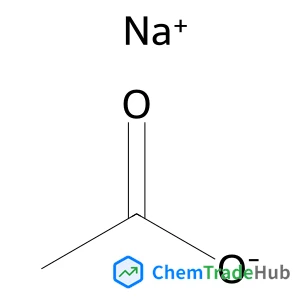
Sodium Acetate
CAS Number: 127-09-3
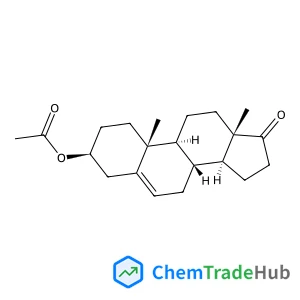
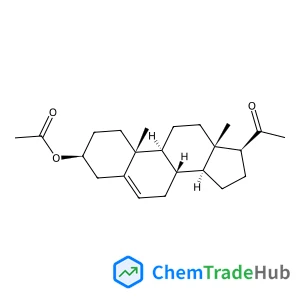
(3beta)-17-Oxoandrost-5-en-3-yl acetate
CAS Number: 853-23-6
Other Suppliers for Chromium(3+) tris(hydrogen sulfate)




Basic Information
Molecular Formula
H3CrO12S3
Molecular Weight
343.21 g/mol
Physical Properties
Boiling Point
330 °C at 760 mmHg
Chemical Identifiers
SMILES
OS(=O)(=O)[O-].OS(=O)(=O)[O-].OS(=O)(=O)[O-].[Cr+3]
InChIKey
QGLWFXMFZPIQLE-UHFFFAOYSA-K
Database References
FAQ
Chromium(3+) tris(hydrogen sulfate) (CAS: 39380-78-4) falls under the category of inorganic compounds and is subject to regulations such as the REACH (Registration, Evaluation, Authorisation and Restriction of Chemicals) in the European Union, which requires manufacturers and importers to register substances above a certain tonnage threshold. Additionally, it is regulated by the Occupational Safety and Health Administration (OSHA) and the Environmental Protection Agency (EPA) in the United States. The Globally Harmonized System of Classification and Labelling of Chemicals (GHS) categorizes it according to its potential health and environmental hazards.
For some applications, chromium(III) sulfate or chromium(III) oxide may be used as alternatives to Chromium(3+) tris(hydrogen sulfate) (CAS: 39380-78-4). These alternatives offer similar functionality in certain chemical reactions and can be chosen based on the specific requirements of the synthesis process. However, it's important to consider the exact nature of the reaction and the properties of each compound to ensure a suitable substitute is selected.
The market for Chromium(3+) tris(hydrogen sulfate) (CAS: 39380-78-4) is influenced by its use in analytical chemistry, pharmaceuticals, and as a catalyst in certain organic syntheses. Research trends are focused on its applications in environmental monitoring and remediation due to its role in detecting and quantifying chromium compounds. Additionally, there is ongoing research into its potential in green chemistry and sustainable processes, as well as in developing safer alternatives for industrial applications.
Waste containing Chromium(3+) tris(hydrogen sulfate) (CAS: 39380-78-4) should be managed according to local and national regulations. Proper collection and segregation of waste are essential to prevent environmental contamination. The waste should be neutralized to a pH of 7-9 and properly stored. Professional waste disposal services should be used for disposal, ensuring that the waste is treated in a manner that minimizes environmental impact. Proper environmental protection measures, such as wearing personal protective equipment (PPE) and following safety protocols, should be followed to prevent exposure and further contamination.
Safety Notice
Please verify product specifications and safety data before use. Contact the supplier for detailed safety information.
Always follow proper handling procedures