



AD
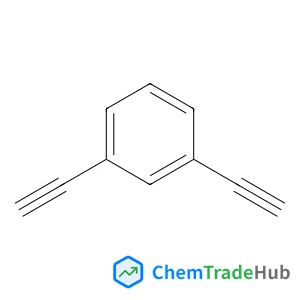
1,3-Diethynylbenzene(CAS: 1785-61-1)
CAS Number
Related Products
![[3-(2-Hydroxyethyl)phenyl]boronic acid](https://static.chemtradehub.com/structs/647/647853-32-5-c363.webp)
![N-(Butylsulfonyl)-O-[4-(4-piperidinyl)butyl]-L-tyrosine hydrochloride hydrate](https://static.chemtradehub.com/structs/150/150915-40-5-1679.webp)
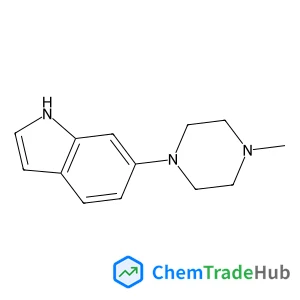
6-(4-methylpiperazin-1-yl)-1H-indole
CAS Number: 321745-04-4
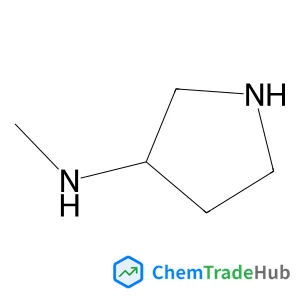
N-Methyl-3-pyrrolidinamine
CAS Number: 83030-08-4
![2-Chloro-N-[4-chloro-3-(2-pyridinyl)phenyl]-4-(methylsulfonyl)benzamide](https://static.chemtradehub.com/structs/879/879085-55-9-5abe.webp)
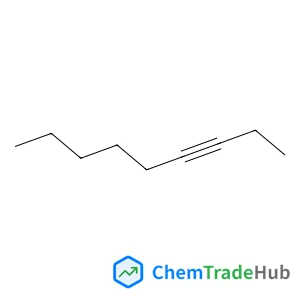
3-Nonyne
CAS Number: 20184-89-8
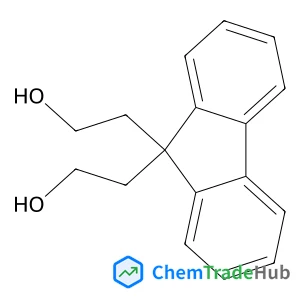
2,2'-(9H-fluorene-9,9-diyl)diethanol
CAS Number: 203070-78-4
![1,4-Dioxaspiro[4.5]dec-8-ylacetic acid](https://static.chemtradehub.com/structs/134/134136-04-2-8def.webp)
Other Suppliers for 1,3-Diethynylbenzene






Basic Information
Molecular Formula
C10H6
Molecular Weight
16.04 g/mol
Physical Properties
Melting Point
2.5 ºC
Boiling Point
188-189 °C(lit.)
Chemical Identifiers
SMILES
C#CC1=CC(=CC=C1)C#C
InChIKey
PNXLPYYXCOXPBM-UHFFFAOYSA-N
Database References
MDL Number
MFCD00041686
FAQ
1,3-Diethynylbenzene (CAS: 1785-61-1) is regulated under the Globally Harmonized System of Classification and Labelling of Chemicals (GHS) as a Category 1A flammable liquid. It is also subject to theREACH regulations in the European Union, which require manufacturers and importers to register substances above a certain tonnage threshold. In the United States, the Environmental Protection Agency (EPA) and the Food and Drug Administration (FDA) have specific requirements for the handling, storage, and transportation of this compound. Adequate safety data sheets (SDS) must be available for all stakeholders involved in its use.
1,3-Diethynylbenzene (CAS: 1785-61-1) is a specific compound that can be synthesized through various methods. Alternative reagents and synthetic routes include using other diethynylbenzenes or related compounds such as 1,3-diethynylbenzene isomers. Other synthetic strategies might involve using different starting materials, such as phenylacetylene or other alkyne compounds, which can be manipulated to form similar products. The choice of alternative reagents depends on the desired end product and the specific requirements of the synthesis.
The market for 1,3-Diethynylbenzene (CAS: 1785-61-1) is relatively niche, primarily used in organic synthesis and certain industrial applications. Research trends are focused on its use as a building block for the synthesis of more complex organic molecules, particularly in the fields of pharmaceuticals and materials science. Emerging research is exploring its potential in catalysis and as a precursor for functionalized compounds. However, due to its specific properties and limited demand, market trends are slow to change.
Waste containing 1,3-Diethynylbenzene (CAS: 1785-61-1) should be handled carefully to ensure safety and environmental protection. Waste should be collected in appropriate, labeled containers and stored in a secure, well-ventilated area away from ignition sources. Proper incineration or professional waste disposal services should be utilized to manage the waste. Environmental protection measures include the use of personal protective equipment (PPE) and following local and national regulations for hazardous waste disposal. It is crucial to follow all safety guidelines and consult with waste management experts to ensure compliance with regulatory requirements.
Safety Notice
Please verify product specifications and safety data before use. Contact the supplier for detailed safety information.
Always follow proper handling procedures

Contact Information
Contact Person
Miss Xu
1986399151@qq.com
Mobile
15221998634
Telephone
021-59178156
Visit Website
https://www.yingxinbio.com/Address
Yugang Town Yiling Road 258 Lane C Zone