



AD
GLYCERYL PROPOXY TRIACRYLATE(CAS: 52408-84-1)
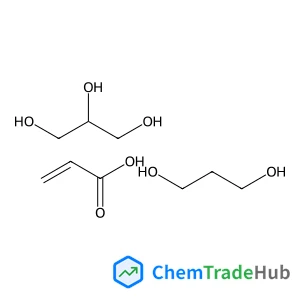
CAS Number
Related Products
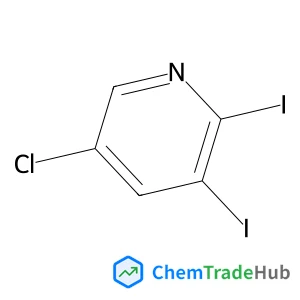
5-Chloro-2,3-diiodopyridine
CAS Number: 1261365-71-2
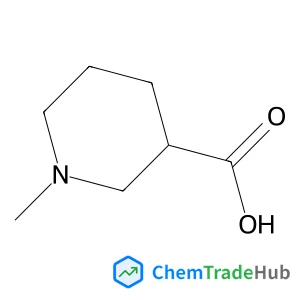
![5-Bromo-6-fluoro-1H-pyrrolo[2,3-b]pyridine](https://static.chemtradehub.com/structs/120/1207625-29-3-38b4.webp)
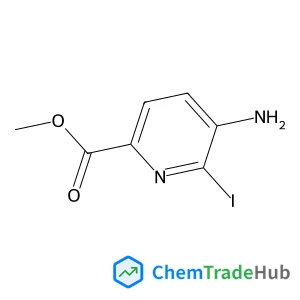

Tco-peg12-dbco
CAS Number: 2055022-06-3
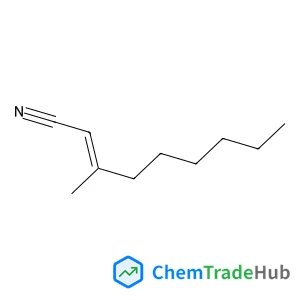
3-Methyl-2-nonenenitrile
CAS Number: 53153-66-5
![Ethyl 2-ethoxy-4-[2-({(1S)-3-methyl-1-[2-(1-piperidinyl)phenyl]butyl}amino)-2-oxoethyl]benzoate](https://static.chemtradehub.com/structs/147/147770-06-7-5fb6.webp)
![2-Methyl[1,3]oxazolo[5,4-d]pyrimidin-7(6H)-one](https://static.chemtradehub.com/structs/274/27433-55-2-83e8.webp)
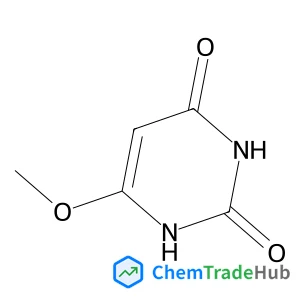
6-Methoxy-2,4(1H,3H)-pyrimidinedione
CAS Number: 29458-38-6
Other Suppliers for GLYCERYL PROPOXY TRIACRYLATE




Basic Information
Molecular Formula
C9H20O7
Molecular Weight
240.25 g/mol
EINECS
500-114-5
Physical Properties
Boiling Point
347℃[at 101 325 Pa]
Density
1.064 g/mL at 25 °C(lit.)
Flash Point
>230 °F
Water Solubility
1.2g/L at 20℃
Chemical Identifiers
SMILES
OCC(CO)O.C=CC(=O)O.OCCCO
InChIKey
UBYAUQUDABJKQI-UHFFFAOYSA-N
Database References
MDL Number
MFCD00080518
FAQ
Glyceryl Propoxy Triacrylate (CAS: 52408-84-1) falls under several regulatory guidelines. It is regulated under the Globally Harmonized System of Classification and Labelling of Chemicals (GHS) for its potential hazards, such as flammability, reactivity, and skin and eye irritation. Additionally, it must comply with REACH regulations in the European Union, which require suppliers to register substances with the European Chemicals Agency (ECHA) and provide safety data sheets (SDS) to downstream users. In the United States, it is also subject to FDA and EPA regulations for its handling and disposal, particularly concerning its toxicological profile and potential environmental impact.
Alternatives to Glyceryl Propoxy Triacrylate (CAS: 52408-84-1) in synthesis include other acrylate monomers such as triacrylates with different functionalities, like pentaerythritol triacrylate (PETA), or other UV-curable resin monomers. These alternatives may offer similar properties but with varying reactivity, viscosity, and other characteristics. Isomers and analogs can also be used, but their specific properties and compatibility with the final product must be carefully considered.
The market for Glyceryl Propoxy Triacrylate (CAS: 52408-84-1) is growing due to its use in UV-curable coatings, adhesives, and inks. Research trends are focusing on developing more sustainable and eco-friendly formulations that comply with stricter environmental regulations. Additionally, there is an increasing demand for improved adhesion and curing properties, leading to the exploration of new co-monomers and additives. The market is also witnessing a shift towards personalized and customized products, which requires the development of tailored formulations.
Waste containing Glyceryl Propoxy Triacrylate (CAS: 52408-84-1) should be handled in accordance with local and international environmental regulations. It is advisable to collect waste in a well-ventilated area and use appropriate containment to prevent spills. Incineration is a common method, but professional waste disposal services may be required for larger quantities. Environmental protection precautions include the use of personal protective equipment (PPE) and ensuring that waste is properly labeled and stored. Safe disposal methods should also consider the potential for hazardous reactions and the need for neutralization if necessary.
Safety Notice
Please verify product specifications and safety data before use. Contact the supplier for detailed safety information.
Always follow proper handling procedures

Contact Information
Contact Person
Manager Yu
710378061@qq.com
Mobile
18605105771
Visit Website
https://www.sanhua-chem.com/Address
No. 688 Jiushuire Lu, Building 1, Jinshanwei Town, Jinshan District, Shanghai