



AD
4-Phenylmorpholine(CAS: 92-53-5)
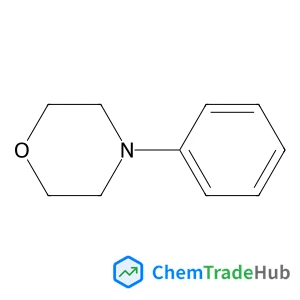
CAS Number
Related Products
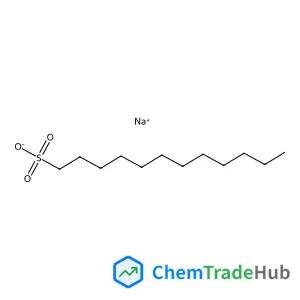
1-Dodecanesulfonic acid sodium salt
CAS Number: 2386-53-0

Bromo(trimethyl)silane
CAS Number: 2857-97-8
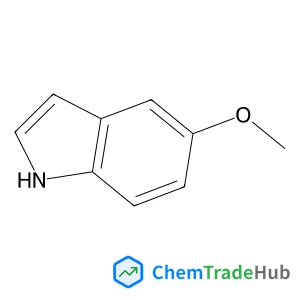
5-Methoxy-1H-indole
CAS Number: 1006-94-6
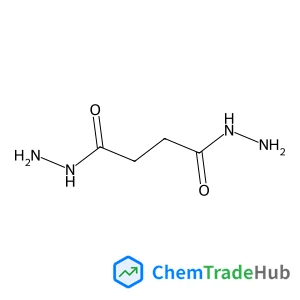
Succinohydrazide
CAS Number: 4146-43-4
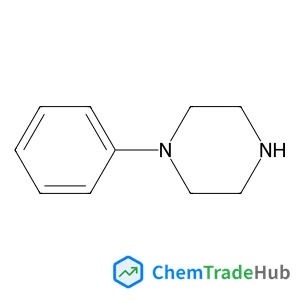
1-Phenylpiperazine
CAS Number: 92-54-6
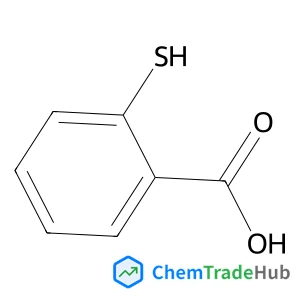
2-Sulfanylbenzoic acid
CAS Number: 147-93-3
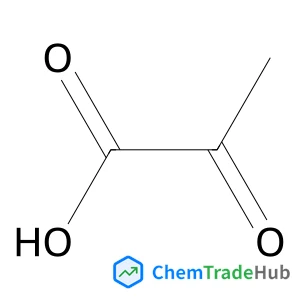
2-Oxopropanoic acid
CAS Number: 127-17-3
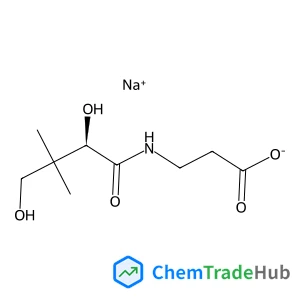

D-Cysteine hydrochloride
CAS Number: 32443-99-5
Other Suppliers for 4-Phenylmorpholine







Basic Information
Molecular Formula
C10H13NO
Molecular Weight
163.22 g/mol
Physical Properties
Melting Point
52.0 to 59.0 deg-C
Boiling Point
270°C(lit.)
Density
1.053 g/cm3 (60℃)
Water Solubility
3.46 g/L
Chemical Identifiers
SMILES
C1COCCN1C2=CC=CC=C2
InChIKey
FHQRDEDZJIFJAL-UHFFFAOYSA-N
Database References
MDL Number
MFCD00006166
Beilstein Registry Number
0132159
FAQ
4-Phenylmorpholine (CAS: 92-53-5) falls under several regulatory guidelines. It is classified under the Globally Harmonized System of Classification and Labeling of Chemicals (GHS) as a category 4 sensitiser. For European markets, it must comply with REACH regulations, which require registration, evaluation, and authorization for certain substances. In the US, FDA and EPA regulations apply, particularly for pharmaceutical and agricultural applications, requiring appropriate documentation and handling procedures.
There are several alternatives to 4-Phenylmorpholine (CAS: 92-53-5) in synthesis, including 3-Methylmorpholine, Pyrrolidine, and p-Toluidine. These alternatives offer similar functionalities but may differ in reactivity and toxicity, providing flexibility in chemical synthesis depending on the specific requirements of the reaction.
The market for 4-Phenylmorpholine (CAS: 92-53-5) is primarily driven by its use in pharmaceuticals, particularly in the development of antispasmodic and anti-inflammatory drugs. Research trends are shifting towards the development of more sustainable and less toxic alternatives. However, due to its unique properties, it remains a valuable compound in various chemical research areas, including drug discovery and functional material development.
Waste containing 4-Phenylmorpholine (CAS: 92-53-5) should be collected in sealed containers and stored in a secure, well-ventilated area. Disposal should be handled by a professional waste management company that specializes in hazardous waste. Proper protective equipment, such as gloves and goggles, should be worn during handling. Environmental protection measures include ensuring that no waste is released into water sources or the air. Compliance with local, national, and international regulations is crucial.
Safety Notice
Please verify product specifications and safety data before use. Contact the supplier for detailed safety information.
Always follow proper handling procedures
Contact Information
Contact Person
Mr. Sun