



AD
1,3-Dichloro-2-propanyl carbamate(CAS: 61791-12-6)
CAS Number
Related Products
![[3-(2-Hydroxyethyl)phenyl]boronic acid](https://static.chemtradehub.com/structs/647/647853-32-5-c363.webp)
![N-(Butylsulfonyl)-O-[4-(4-piperidinyl)butyl]-L-tyrosine hydrochloride hydrate](https://static.chemtradehub.com/structs/150/150915-40-5-1679.webp)
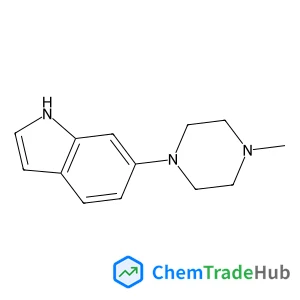
6-(4-methylpiperazin-1-yl)-1H-indole
CAS Number: 321745-04-4
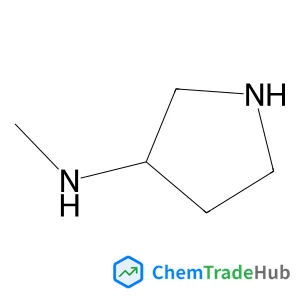
N-Methyl-3-pyrrolidinamine
CAS Number: 83030-08-4
![2-Chloro-N-[4-chloro-3-(2-pyridinyl)phenyl]-4-(methylsulfonyl)benzamide](https://static.chemtradehub.com/structs/879/879085-55-9-5abe.webp)
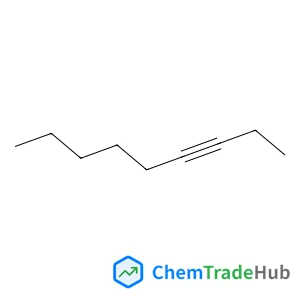
3-Nonyne
CAS Number: 20184-89-8
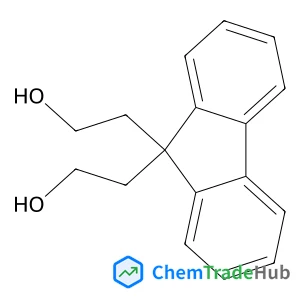
2,2'-(9H-fluorene-9,9-diyl)diethanol
CAS Number: 203070-78-4
![1,4-Dioxaspiro[4.5]dec-8-ylacetic acid](https://static.chemtradehub.com/structs/134/134136-04-2-8def.webp)
Other Suppliers for 1,3-Dichloro-2-propanyl carbamate





Basic Information
Molecular Formula
C4H7Cl2NO2
Molecular Weight
1113.61 g/mol
Physical Properties
Density
1.05 g/mL at 20 °C
Flash Point
257℃
Chemical Identifiers
SMILES
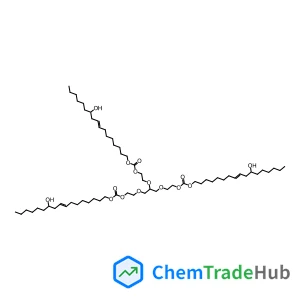
CCCCCCC(CC=CCCCCCCCOC(=O)OCCOCC(COCCOC(=O)OCCCCCCCC=CCC(CCCCCC)O)OCCOC(=O)OCCCCCCCC=CCC(CCCCCC)O)O
InChIKey
JMNCUXPHXKHBPY-UHFFFAOYSA-N
Database References
MDL Number
MFCD00130879
FAQ
1,3-Dichloro-2-propanyl carbamate (CAS: 61791-12-6) is an organic compound containing a carbamate functional group. Its chemical formula is C3H5Cl2NO2. It is a colorless liquid with a slightly chlorinated odor, known for its reactivity and potential use in various chemical applications. The compound is characterized by its two chlorine atoms attached to the propan-2-yl group, making it a halogenated carbamate derivative.
1,3-Dichloro-2-propanyl carbamate (CAS: 61791-12-6) is primarily used in pharmaceutical research as an intermediate for the synthesis of certain drugs. It also finds applications in agrochemicals and industrial chemical processes. Additionally, it may be used in the development of organic compounds for research purposes. The compound's unique structure makes it valuable in creating derivatives with specific biological or chemical properties.
1,3-Dichloro-2-propanyl carbamate (CAS: 61791-12-6) should be handled with care due to its potential toxicity. It is important to follow safety guidelines, including proper ventilation and protective equipment, when working with this compound. Safety standards recommend avoiding direct contact with skin and eyes, and it is classified as a substance requiring controlled handling in laboratories and industrial settings.
1,3-Dichloro-2-propanyl carbamate (CAS: 61791-12-6) should be stored in a cool, dry, and well-ventilated area, away from direct light. It is best kept in a sealed container made of inert material to prevent contamination and degradation. Storage conditions should maintain a temperature below 25°C and humidity levels below 60% to ensure stability and prolong shelf life.
Safety Notice
Please verify product specifications and safety data before use. Contact the supplier for detailed safety information.
Always follow proper handling procedures

Contact Information
Contact Person
Miss Xu
1986399151@qq.com
Mobile
15221998634
Telephone
021-59178156
Visit Website
https://www.yingxinbio.com/Address
Yugang Town Yiling Road 258 Lane C Zone