



AD
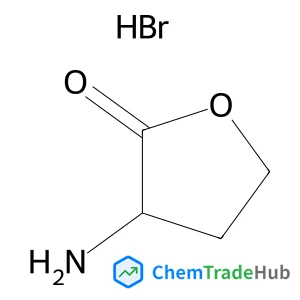
(3S)-3-Aminodihydro-2(3H)-furanone hydrobromide (1:1)(CAS: 15295-77-9)
CAS Number
Related Products
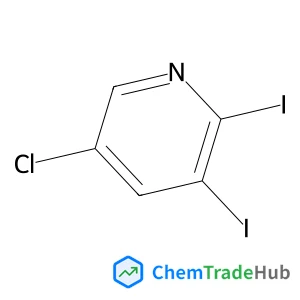
5-Chloro-2,3-diiodopyridine
CAS Number: 1261365-71-2
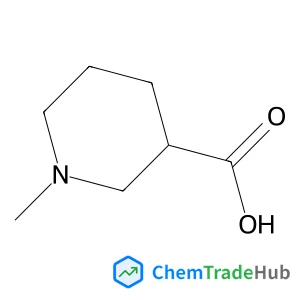
![5-Bromo-6-fluoro-1H-pyrrolo[2,3-b]pyridine](https://static.chemtradehub.com/structs/120/1207625-29-3-38b4.webp)
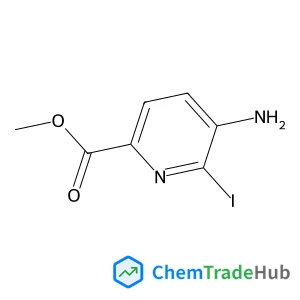

Tco-peg12-dbco
CAS Number: 2055022-06-3
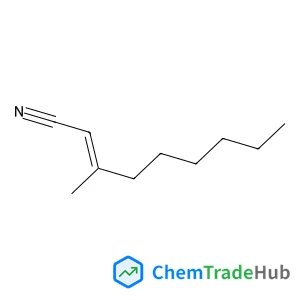
3-Methyl-2-nonenenitrile
CAS Number: 53153-66-5
![Ethyl 2-ethoxy-4-[2-({(1S)-3-methyl-1-[2-(1-piperidinyl)phenyl]butyl}amino)-2-oxoethyl]benzoate](https://static.chemtradehub.com/structs/147/147770-06-7-5fb6.webp)
![2-Methyl[1,3]oxazolo[5,4-d]pyrimidin-7(6H)-one](https://static.chemtradehub.com/structs/274/27433-55-2-83e8.webp)
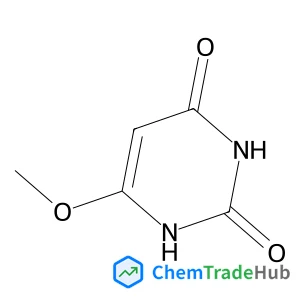
6-Methoxy-2,4(1H,3H)-pyrimidinedione
CAS Number: 29458-38-6
Other Suppliers for (3S)-3-Aminodihydro-2(3H)-furanone hydrobromide (1:1)




Basic Information
Molecular Formula
C4H8BrNO2
Molecular Weight
182.02 g/mol
Physical Properties
Melting Point
225 °C (dec.) (lit.)
Boiling Point
281.4℃/760mmHg
Chemical Identifiers
SMILES
C1COC(=O)C1N.Br
InChIKey
MKLNTBLOABOJFZ-DFWYDOINSA-N
Database References
MDL Number
MFCD00674493
FAQ
The compound (3S)-3-aminodihydro-2(3H)-furanone hydrobromide (1:1) (CAS: 15295-77-9) is subject to various regulatory guidelines including GHS classification, REACH regulations, and FDA/EPA requirements. It is classified as a hazardous substance under GHS due to its reactivity and potential corrosivity. According to REACH, it may require registration if produced or imported in quantities above one tonne per year. Additionally, FDA and EPA have specific guidelines for the handling and disposal of hazardous chemicals, including proper labeling and storage to prevent environmental contamination.
There are several alternatives to (3S)-3-aminodihydro-2(3H)-furanone hydrobromide (1:1) (CAS: 15295-77-9) in synthesis, including other furan derivatives and related compounds. Common alternatives include 3-aminofuran and other 3-aminodihydrofuran analogs, which can serve similar functional roles in various reactions. Isomers such as (3R)-3-aminodihydro-2(3H)-furanone are also available, offering different chemical properties. Substitutes like 3-aminofuran can be used in cases where the hydrobromide salt is not suitable, providing similar functionalities without the hydrobromic acid component.
The market trend for (3S)-3-aminodihydro-2(3H)-furanone hydrobromide (1:1) (CAS: 15295-77-9) reflects increasing demand in the pharmaceutical and cosmetics industries due to its unique chemical properties. Research is focusing on its potential applications in flavor and fragrance synthesis, as well as its use as a precursor in organic synthesis. Market trends also indicate growing interest in sustainable and eco-friendly chemical processes. However, due to its hazardous nature, there is a trend towards developing safer alternatives and optimizing existing processes to minimize environmental impact.
Waste containing (3S)-3-aminodihydro-2(3H)-furanone hydrobromide (1:1) (CAS: 15295-77-9) should be handled with care to prevent environmental contamination and ensure safety. Waste liquid should be collected in appropriate containers and stored in a well-ventilated area. Incineration is a common method for disposal, but professional waste disposal services should be utilized to ensure compliance with local regulations. Environmental protection precautions include the use of personal protective equipment (PPE) and proper labeling of waste containers. Additionally, it is essential to follow all relevant safety data sheet (SDS) guidelines and local environmental protection laws.
Safety Notice
Please verify product specifications and safety data before use. Contact the supplier for detailed safety information.
Always follow proper handling procedures

Contact Information
Contact Person
Manager Yu
710378061@qq.com
Mobile
18605105771
Visit Website
https://www.sanhua-chem.com/Address
No. 688 Jiushuire Lu, Building 1, Jinshanwei Town, Jinshan District, Shanghai