



AD
4-Morpholinyl(3,4,5-trimethoxyphenyl)methanone(CAS: 635-41-6)
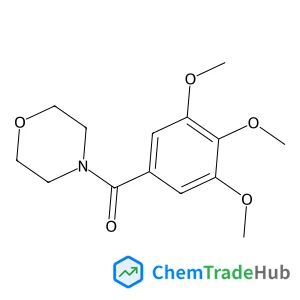
CAS Number
Related Products
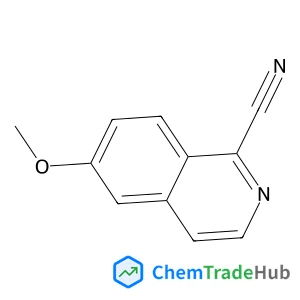
6-Methoxy-1-isoquinolinecarbonitrile
CAS Number: 1179148-80-1
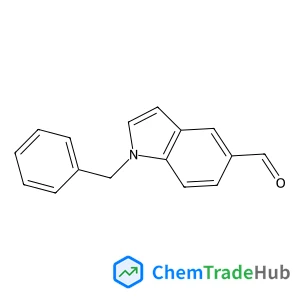
1-benzyl-1H-indole-5-carbaldehyde
CAS Number: 63263-88-7
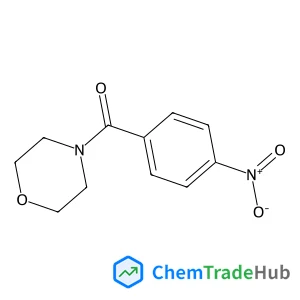
4-Morpholinyl(4-nitrophenyl)methanone
CAS Number: 5397-76-2
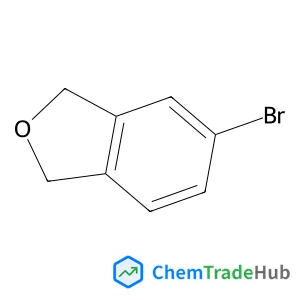
5-Bromo-1,3-dihydroisobenzofuran
CAS Number: 220513-49-5
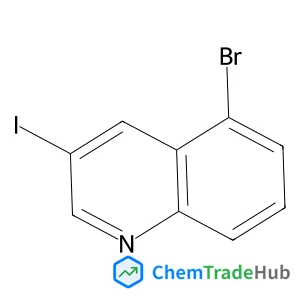
5-Bromo-3-iodoquinoline
CAS Number: 1416438-35-1
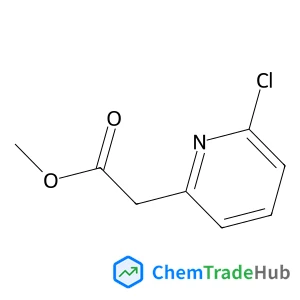
Methyl (6-chloro-2-pyridinyl)acetate
CAS Number: 161807-18-7
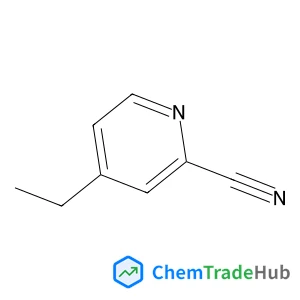
4-Ethyl-2-pyridinecarbonitrile
CAS Number: 92486-38-9
Other Suppliers for 4-Morpholinyl(3,4,5-trimethoxyphenyl)methanone



Basic Information
Molecular Formula
C14H19NO5
Molecular Weight
281.31 g/mol
Physical Properties
Melting Point
120-122°
Boiling Point
423.97°C (rough estimate)
Density
1.1755 (rough estimate)
Chemical Identifiers
SMILES
COC1=CC(=CC(=C1OC)OC)C(=O)N2CCOCC2
InChIKey
XWVOEFLBOSSYGM-UHFFFAOYSA-N
Database References
MDL Number
MFCD00023351
FAQ
The 4-Morpholinyl(3,4,5-trimethoxyphenyl)methanone (CAS: 635-41-6) is subject to various regulatory guidelines. In the United States, it must comply with FDA and EPA regulations, including proper labeling, storage, and disposal. Internationally, it follows the guidelines set by the Globally Harmonized System of Classification and Labelling of Chemicals (GHS), which includes hazard classification, safety data sheets, and environmental protection measures. Additionally, the European Union's REACH regulations apply, requiring manufacturers and importers to register substances with the European Chemicals Agency (ECHA) and provide necessary safety information.
There are several alternatives to 4-Morpholinyl(3,4,5-trimethoxyphenyl)methanone (CAS: 635-41-6) in synthesis. Common alternatives include related compounds such as 4-morpholinyl(3,4-dimethoxyphenyl)methanone and 4-morpholinyl(4,5-dimethoxyphenyl)methanone. Other substitute reagents include morpholine derivatives like 2-methylmorpholine and N-methylmorpholine. These alternatives can offer similar functionalities while potentially having different synthetic routes and reactivity profiles.
The market and research trends for 4-Morpholinyl(3,4,5-trimethoxyphenyl)methanone (CAS: 635-41-6) show increasing interest in its applications in pharmaceuticals and organic synthesis. Recent studies highlight its potential as a precursor in the synthesis of biologically active compounds. The trend suggests a growing demand in the pharmaceutical industry for compounds with specific structural features. Additionally, research is focusing on the development of more efficient and environmentally friendly synthetic pathways for this compound, driven by sustainability initiatives and regulatory pressures.
Waste containing 4-Morpholinyl(3,4,5-trimethoxyphenyl)methanone (CAS: 635-41-6) should be handled with care to ensure safety and compliance with environmental regulations. Collection of waste should be done in designated containers, properly labeled with the chemical name and hazard information. For incineration, it is recommended to use controlled incineration facilities that meet regulatory standards for emissions. Alternatively, professional waste disposal services can be utilized, which provide the necessary equipment and expertise for safe disposal. Environmental protection measures include proper leak detection and containment to prevent accidental spills, as well as the use of appropriate personal protective equipment during handling.
Safety Notice
Please verify product specifications and safety data before use. Contact the supplier for detailed safety information.
Always follow proper handling procedures
Contact Information
Contact Person
Liu Gan
liugan1310@163.com