



AD
L-Arginine(CAS: 74-79-3)
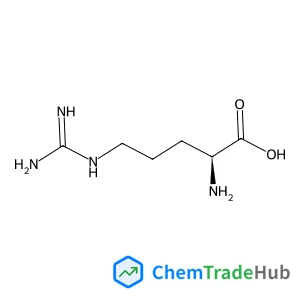
CAS Number
Related Products
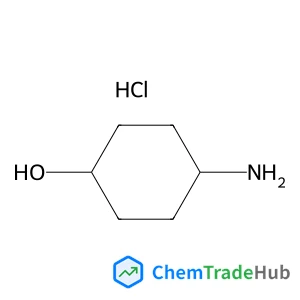
cis-4-Aminocyclohexanol HCl
CAS Number: 56239-26-0
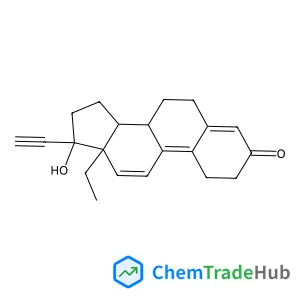
Gestrinone
CAS Number: 16320-04-0
![(1S,3S,5S)-2-{(2S)-2-Amino-2-[(1r,3R,5R,7S)-3-hydroxyadamantan-1-yl]acetyl}-2-azabicyclo[3.1.0]hexane-3-carbonitrile](https://static.chemtradehub.com/structs/361/361442-04-8-d03b.webp)
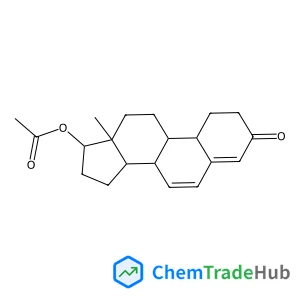
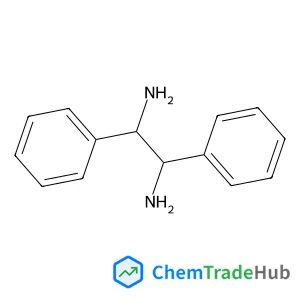
(1S,2S)-1,2-Diphenyl-1,2-ethanediamine
CAS Number: 29841-69-8
![4-Chloro-5-iodo-7H-pyrrolo[2,3-d]pyrimidine](https://static.chemtradehub.com/structs/123/123148-78-7-9c1b.webp)
![5-Bromo[1,2,4]triazolo[1,5-a]pyridin-2-amine](https://static.chemtradehub.com/structs/101/1010120-55-4-d235.webp)
![N-(2-Chloro-6-methylphenyl)-2-({6-[4-(2-hydroxyethyl)-1-piperazinyl]-2-methyl-4-pyrimidinyl}amino)-1,3-thiazole-5-carboxamide hydrate (1:1)](https://static.chemtradehub.com/structs/863/863127-77-9-35cc.webp)
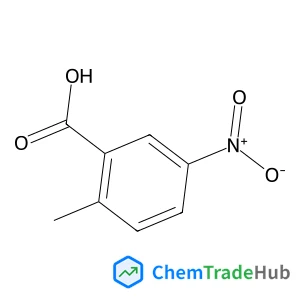
2-Methyl-5-nitrobenzoic acid
CAS Number: 1975-52-6
Other Suppliers for L-Arginine

Basic Information
Molecular Formula
C6H14N4O2
Molecular Weight
174.2 g/mol
Physical State
Powder
Physical Properties
Melting Point
222 °C (dec.) (lit.)
Boiling Point
409.1°C at 760 mmHg
Density
1.2297 (rough estimate)
Flash Point
201.2 °C
Water Solubility
148.7 g/L (20 ºC)
Chemical Identifiers
SMILES
N[C@@H](CCCNC(=N)N)C(=O)O
InChIKey
ODKSFYDXXFIFQN-BYPYZUCNSA-N
Database References
MDL Number
MFCD00002635
Beilstein Registry Number
1725413
FAQ
L-Arginine is an essential amino acid with the chemical formula C6H14N4O2. It plays a crucial role in protein synthesis, nitric oxide production, and various metabolic processes. Found naturally in the body, L-Arginine is also used as a dietary supplement. Its molecular weight is 174.20 g/mol, and it is typically a white crystalline powder with a slightly bitter taste. It is widely studied for its potential health benefits and is commonly used in research and pharmaceutical applications.
L-Arginine has diverse applications in pharmaceuticals, food, and research. It is used to treat cardiovascular conditions by promoting nitric oxide production, support immune function, and enhance exercise performance. In the food industry, it serves as a flavor enhancer and is added to protein supplements. It is also a key component in various research studies related to metabolism and cellular health. Due to its natural occurrence and versatility, L-Arginine is a popular compound for both therapeutic and nutritional purposes.
L-Arginine is generally considered safe when used in appropriate amounts. It is approved for use in food and dietary supplements by regulatory bodies like the FDA. However, high doses may cause side effects such as gastrointestinal discomfort or interactions with certain medications. Proper handling and storage are important to ensure safety. Always follow safety guidelines and consult a healthcare professional before using L-Arginine for therapeutic purposes.
L-Arginine should be stored in a cool, dry place away from moisture and direct light. It is best kept in a sealed container to maintain its stability and prevent degradation. The ideal storage temperature is between 15°C to 25°C, with humidity levels below 60%. Avoid exposure to strong odors and ensure proper ventilation. These storage conditions help preserve its chemical integrity and effectiveness for extended periods.
Safety Notice
Please verify product specifications and safety data before use. Contact the supplier for detailed safety information.
Always follow proper handling procedures