



AD
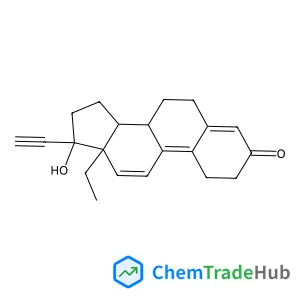
Gestrinone(CAS: 16320-04-0)
CAS Number
Related Products
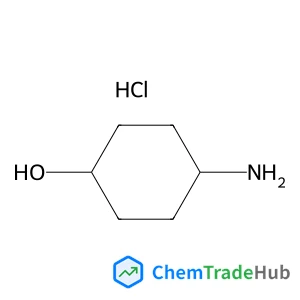
cis-4-Aminocyclohexanol HCl
CAS Number: 56239-26-0
![(1S,3S,5S)-2-{(2S)-2-Amino-2-[(1r,3R,5R,7S)-3-hydroxyadamantan-1-yl]acetyl}-2-azabicyclo[3.1.0]hexane-3-carbonitrile](https://static.chemtradehub.com/structs/361/361442-04-8-d03b.webp)
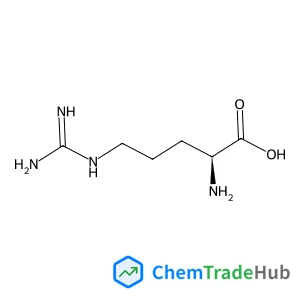
L-Arginine
CAS Number: 74-79-3
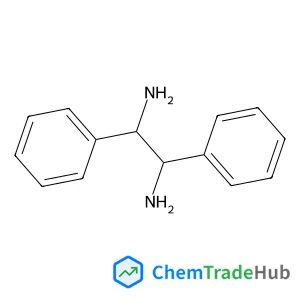
(1S,2S)-1,2-Diphenyl-1,2-ethanediamine
CAS Number: 29841-69-8
![4-Chloro-5-iodo-7H-pyrrolo[2,3-d]pyrimidine](https://static.chemtradehub.com/structs/123/123148-78-7-9c1b.webp)
![5-Bromo[1,2,4]triazolo[1,5-a]pyridin-2-amine](https://static.chemtradehub.com/structs/101/1010120-55-4-d235.webp)
![N-(2-Chloro-6-methylphenyl)-2-({6-[4-(2-hydroxyethyl)-1-piperazinyl]-2-methyl-4-pyrimidinyl}amino)-1,3-thiazole-5-carboxamide hydrate (1:1)](https://static.chemtradehub.com/structs/863/863127-77-9-35cc.webp)
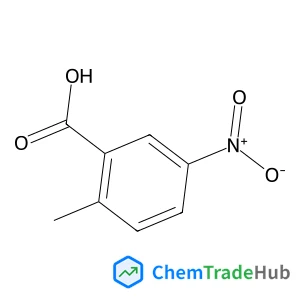
2-Methyl-5-nitrobenzoic acid
CAS Number: 1975-52-6
Other Suppliers for Gestrinone



Basic Information
Molecular Formula
C21H24O2
Molecular Weight
308.4 g/mol
Physical Properties
Melting Point
150-152°C
Boiling Point
388.8°C (rough estimate)
Chemical Identifiers
SMILES
CCC12C=CC3=C4CCC(=O)C=C4CCC3C1CCC2(C#C)O
InChIKey
BJJXHLWLUDYTGC-ANULTFPQSA-N
Database References
MDL Number
MFCD00865561
FAQ
Gestrinone (CAS: 16320-04-0) should comply with the REACH regulations in the European Union, as well as the Toxic Substances Control Act (TSCA) in the United States. It is classified under the Globally Harmonized System of Classification and Labelling of Chemicals (GHS) as a category 2 precursor chemical, requiring strict control over its production, import, and export. Additionally, the FDA and EPA have specific requirements for handling and reporting any significant quantities of Gestrinone.
Alternatives to Gestrinone in synthesis include using analogs such as metacresolone or other synthetic progestogens. Common alternative reagents like 17α-ethinyloxyestra-4,9-dien-3-one or other 17α-ethynylestradiol derivatives can be used as substitutes. These alternatives offer similar structural and pharmacological properties but may differ in synthesis complexity and cost.
The market and research trends for Gestrinone indicate a focus on its potential therapeutic applications in endocrinology, particularly in the treatment of gynecological disorders. Recent research trends highlight its role in managing endometriosis and polycystic ovary syndrome. Market demand is driven by increasing awareness of these conditions and the need for effective hormonal treatments. However, ongoing research is necessary to understand its long-term effects and to develop safer and more effective alternatives.
Waste containing Gestrinone (CAS: 16320-04-0) should be collected in appropriate containers labeled with the correct hazard classification. Proper incineration or professional waste disposal services should be used to ensure the chemical is handled safely. Environmental protection precautions should include preventing spillage and ensuring proper ventilation during handling. Compliance with local and international regulations is essential to avoid environmental contamination and health risks.
Safety Notice
Please verify product specifications and safety data before use. Contact the supplier for detailed safety information.
Always follow proper handling procedures