



AD
1-Ethynyl-4-propylbenzene(CAS: 62452-73-7)
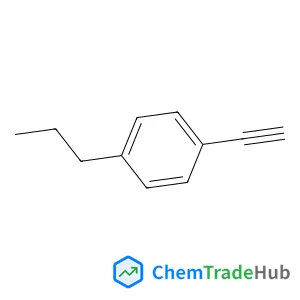
CAS Number
Related Products
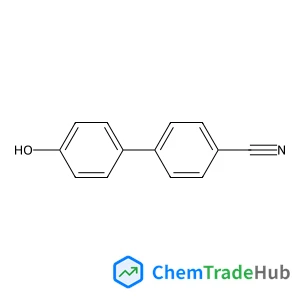
4'-Hydroxy-4-biphenylcarbonitrile
CAS Number: 19812-93-2
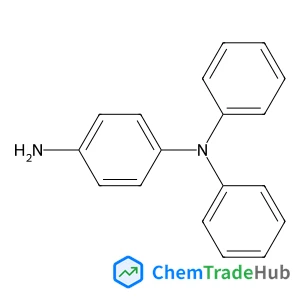
N,N-Diphenyl-1,4-benzenediamine
CAS Number: 2350-01-8
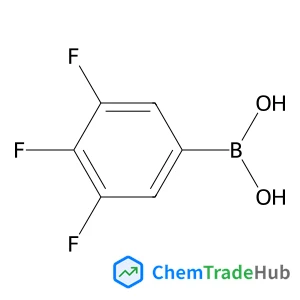
(3,4,5-Trifluorophenyl)boronic acid
CAS Number: 143418-49-9
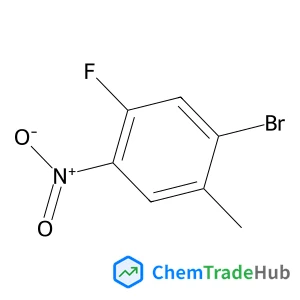
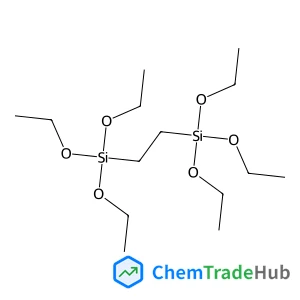
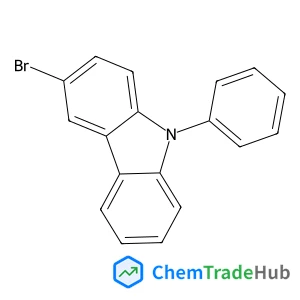
3-Bromo-9-phenyl-9H-carbazole
CAS Number: 1153-85-1
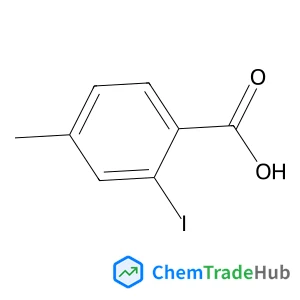
2-Iodo-4-methylbenzoic acid
CAS Number: 1829-21-6
Other Suppliers for 1-Ethynyl-4-propylbenzene




Basic Information
Molecular Formula
C11H12
Molecular Weight
134.22 g/mol
Physical Properties
Boiling Point
204.9°C at 760 mmHg
Density
0.910(lit.)
Flash Point
67.1℃
Chemical Identifiers
SMILES
CCCC1=CC=C(C=C1)C#C
InChIKey
UVFFOABHOIMLNB-UHFFFAOYSA-N
Database References
MDL Number
MFCD00173886
FAQ
1-Ethynyl-4-propylbenzene (CAS: 62452-73-7) is a clear, colorless liquid with a molecular weight of approximately 154.24 g/mol. It has a low solubility in water but is soluble in common organic solvents like ethanol and acetone. This compound is relatively stable under normal conditions but can undergo polymerization reactions under certain conditions. It reacts with halogens, acids, and bases depending on the reaction conditions.
1-Ethynyl-4-propylbenzene (CAS: 62452-73-7) is usually synthesized via a Grignard reaction. Propargyl bromide reacts with a methyl Grignard reagent in the presence of a suitable solvent like THF. The product is then quenched with an acid, followed by purification using distillation or recrystallization techniques. This process yields a high purity product with good selectivity and yield.
1-Ethynyl-4-propylbenzene (CAS: 62452-73-7) finds applications in the pharmaceutical industry for intermediate synthesis, in the polymer industry for developing functional materials, and in the sensor industry for creating selective sensors. It also has potential uses in semiconductor manufacturing for catalytic applications.
When handling 1-Ethynyl-4-propylbenzene (CAS: 62452-73-7), it is crucial to wear appropriate personal protective equipment (PPE) such as chemical-resistant gloves, safety goggles, and a lab coat. Work should be conducted in a fume hood to minimize exposure. Spills should be immediately cleaned up using absorbent materials, and the area should be well-ventilated. Always refer to the Safety Data Sheet (SDS) for detailed handling and emergency procedures.
Safety Notice
Please verify product specifications and safety data before use. Contact the supplier for detailed safety information.
Always follow proper handling procedures
Contact Information
yeshengchemical@163.com