



AD
3,5-Dichloropyridazine(CAS: 1837-55-4)

CAS Number
Related Products

3-Acetoxy-4-cadinen-8-one
CAS Number: 923950-05-4
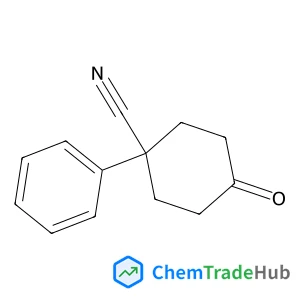
4-Oxo-1-phenylcyclohexanecarbonitrile
CAS Number: 25115-74-6

Valiolamine
CAS Number: 83456-22-9
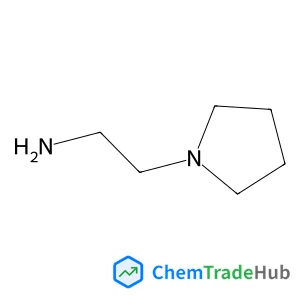
2-(1-Pyrrolidinyl)ethanamine
CAS Number: 7154-73-6
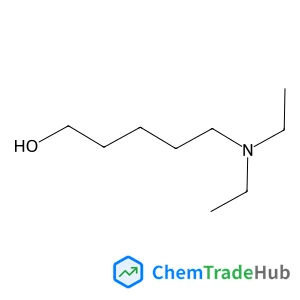
5-(Diethylamino)-1-pentanol
CAS Number: 2683-57-0
![2-Methyl-2-propanyl 4-{[2-(2-aminophenyl)ethyl]amino}-1-piperidinecarboxylate](https://static.chemtradehub.com/structs/783/783368-12-7-e061.webp)

Benzenemethanol, 4-nitro-, 1-acetate
CAS Number: 619-90-9

Other Suppliers for 3,5-Dichloropyridazine




Basic Information
Molecular Formula
C4H2Cl2N2
Molecular Weight
148.98 g/mol
Physical Properties
Melting Point
60.0 to 64.0 deg-C
Boiling Point
280.8°C at 760 mmHg
Density
1.493
Flash Point
150.5°C
Chemical Identifiers
SMILES
C1=C(C=NN=C1Cl)Cl
InChIKey
JZSAUQMXKHBZEO-UHFFFAOYSA-N
Database References
MDL Number
MFCD10698048
FAQ
3,5-Dichloropyridazine (CAS: 1837-55-4) is a crystalline solid with a molecular weight of approximately 171.01 g/mol. It has a low solubility in water but is more soluble in organic solvents like ethanol and acetone. This compound is relatively stable under normal conditions but can react with bases to form pyridazine derivatives. It is an important intermediate in organic synthesis and has limited reactivity with common laboratory reagents.
3,5-Dichloropyridazine is typically synthesized through the electrochemical oxidation of 2,6-dichloropyridine. This process involves the use of a platinum electrode in a water-based electrolyte. Alternatively, it can be prepared by the reaction of 2,6-dichloropyridine with phosphorus oxychloride in the presence of a Lewis acid catalyst. The yields are usually around 85-90%, and the method is known for its good selectivity and ease of operation.
3,5-Dichloropyridazine (CAS: 1837-55-4) is primarily used in the pharmaceutical industry as a precursor for the synthesis of various drugs. It also finds applications in the production of organic semiconductors and sensors due to its unique electronic properties. Additionally, it is utilized in the polymer industry for the development of specialized polymers with improved properties.
When handling 3,5-Dichloropyridazine (CAS: 1837-55-4), it is essential to wear appropriate personal protective equipment (PPE), including gloves, goggles, and a lab coat. Ensure that all operations are conducted in a well-ventilated area or a fume hood to minimize inhalation risks. In case of a spill, immediately clean up with caution and use appropriate absorbent materials. Refer to the Safety Data Sheet (SDS) for detailed handling and disposal instructions to ensure safe laboratory practices.
Safety Notice
Please verify product specifications and safety data before use. Contact the supplier for detailed safety information.
Always follow proper handling procedures

Contact Information
hepeng20160718@foxmail.com
Mobile
13122891558
Telephone
186-16545970
Visit Website
https://www.hepengbio.com/