



AD
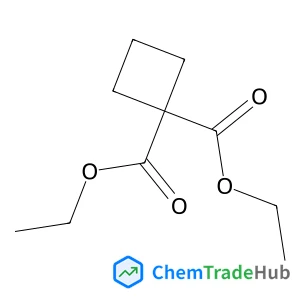
Diethyl 1,1-cyclobutanedicarboxylate(CAS: 3779-29-1)
CAS Number
Related Products
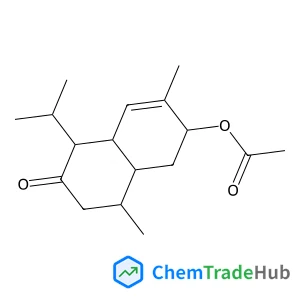
3-Acetoxy-4-cadinen-8-one
CAS Number: 923950-05-4
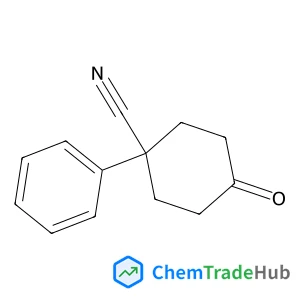
4-Oxo-1-phenylcyclohexanecarbonitrile
CAS Number: 25115-74-6
Valiolamine
CAS Number: 83456-22-9
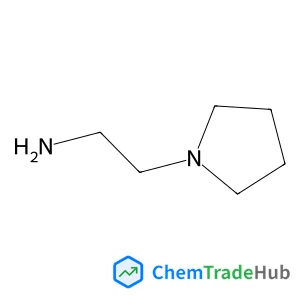
2-(1-Pyrrolidinyl)ethanamine
CAS Number: 7154-73-6
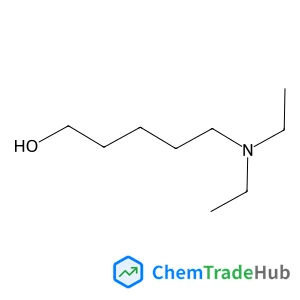
5-(Diethylamino)-1-pentanol
CAS Number: 2683-57-0
![2-Methyl-2-propanyl 4-{[2-(2-aminophenyl)ethyl]amino}-1-piperidinecarboxylate](https://static.chemtradehub.com/structs/783/783368-12-7-e061.webp)
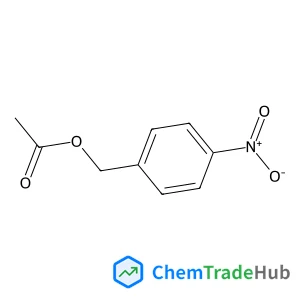
Benzenemethanol, 4-nitro-, 1-acetate
CAS Number: 619-90-9
Other Suppliers for Diethyl 1,1-cyclobutanedicarboxylate



Basic Information
Molecular Formula
C10H16O4
Molecular Weight
200.23 g/mol
Physical Properties
Boiling Point
226°C(lit.)
Water Solubility
Insoluble in water.
Chemical Identifiers
SMILES
CCOC(=O)C1(CCC1)C(=O)OCC
InChIKey
JPNJEJSZSMXWSV-UHFFFAOYSA-N
Database References
MDL Number
MFCD00019261
Beilstein Registry Number
2050195
FAQ
Diethyl 1,1-cyclobutanedicarboxylate (CAS: 3779-29-1) is a colorless to light yellow liquid. It has a molecular weight of approximately 174.24 g/mol and a purity of over 98%. The compound is soluble in organic solvents like ethanol, acetone, and chloroform, but has low solubility in water. It is stable under normal conditions but may undergo hydrolysis under acidic or basic conditions. The compound is reactive and can undergo esterification and ester hydrolysis reactions.
Diethyl 1,1-cyclobutanedicarboxylate (CAS: 3779-29-1) is typically synthesized from 1,1-cyclobutanedicarboxylic acid and diethylamine. The reaction involves the substitution of the carboxylic acid groups with ethyl esters. This process often uses a mild base like triethylamine as a catalyst. The reaction is highly selective and yields up to 95% of the desired product. The yield can be improved by optimizing reaction conditions such as temperature and concentration.
Diethyl 1,1-cyclobutanedicarboxylate (CAS: 3779-29-1) is used in various industries. It is a key intermediate in the synthesis of pharmaceuticals, particularly in the production of certain organic compounds. In the polymer industry, it is used to modify the properties of plastics and resins. It also finds applications in the development of sensors and electronics due to its unique chemical properties. Its use in semiconductors is less common but still relevant for specific applications.
When handling Diethyl 1,1-cyclobutanedicarboxylate (CAS: 3779-29-1), it is crucial to wear appropriate personal protective equipment (PPE) such as gloves, goggles, and a lab coat. This compound is reactive and can cause irritation to skin and eyes. It should be handled in a well-ventilated area or a fume hood. In case of a spill, it should be cleaned up using appropriate absorbent materials. Always refer to the Safety Data Sheet (SDS) for detailed handling and emergency procedures. Storage should be in a cool, dry place away from incompatible materials.
Safety Notice
Please verify product specifications and safety data before use. Contact the supplier for detailed safety information.
Always follow proper handling procedures

Contact Information
hepeng20160718@foxmail.com
Mobile
13122891558
Telephone
186-16545970
Visit Website
https://www.hepengbio.com/