



AD
4-(Diethoxymethyl)benzaldehyde(CAS: 81172-89-6)

CAS Number
Related Products

3-Acetoxy-4-cadinen-8-one
CAS Number: 923950-05-4
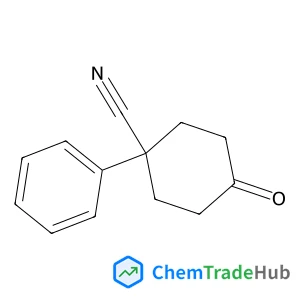
4-Oxo-1-phenylcyclohexanecarbonitrile
CAS Number: 25115-74-6

Valiolamine
CAS Number: 83456-22-9
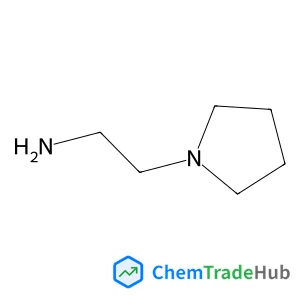
2-(1-Pyrrolidinyl)ethanamine
CAS Number: 7154-73-6
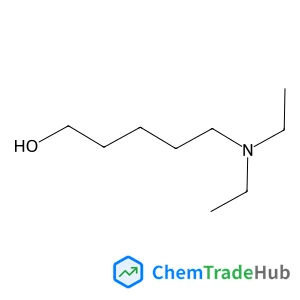
5-(Diethylamino)-1-pentanol
CAS Number: 2683-57-0
![2-Methyl-2-propanyl 4-{[2-(2-aminophenyl)ethyl]amino}-1-piperidinecarboxylate](https://static.chemtradehub.com/structs/783/783368-12-7-e061.webp)

Benzenemethanol, 4-nitro-, 1-acetate
CAS Number: 619-90-9

Other Suppliers for 4-(Diethoxymethyl)benzaldehyde




Basic Information
Molecular Formula
C12H16O3
Molecular Weight
208.26 g/mol
Physical Properties
Boiling Point
290.3±25.0 ºC (760 Torr),
Density
1.047 g/mL at 25 °C(lit.)
Water Solubility
soluble in alcohol, chlorinated solvents and toluene. Decomposes in water.
Chemical Identifiers
SMILES
CCOC(OCC)c1ccc(C=O)cc1
InChIKey
HTMXMFARWHNJDW-UHFFFAOYSA-N
Database References
MDL Number
MFCD00010217
Beilstein Registry Number
4293872
FAQ
4-(Diethoxymethyl)benzaldehyde is a crystalline solid with a molecular weight of approximately 216.26 g/mol. It is slightly soluble in water but soluble in organic solvents like ethanol and acetone. The compound is moderately reactive, particularly with nucleophiles, and can undergo substitution reactions. It has a melting point of around 58-59°C and a boiling point of approximately 168-169°C. It is a chromophoric compound and exhibits a yellow color in solution.
4-(Diethoxymethyl)benzaldehyde can be synthesized through the reaction of benzaldehyde with diethyl carbonate in the presence of a base like potassium carbonate. This method provides good yield and selectivity. Another approach involves the Wittig reaction using ethyl methoxyphosphonate and triphenylphosphine. The chosen method depends on the desired purity and the scale of the synthesis.
4-(Diethoxymethyl)benzaldehyde is primarily used in the pharmaceutical industry for the synthesis of certain drugs. It is also employed in the polymer industry for the modification of polymers to improve their properties. Additionally, it has applications in the production of sensors and semiconductor materials where its chromophoric properties are utilized.
When handling 4-(Diethoxymethyl)benzaldehyde, it is important to use appropriate personal protective equipment (PPE) such as gloves, goggles, and a lab coat. Work should be conducted in a well-ventilated area or a fume hood to minimize inhalation risks. Spills should be handled by using suitable absorbents and following the safety data sheet (SDS) guidelines. The compound should be stored in a cool, dry place away from sources of heat and ignition. Proper disposal methods should be followed to ensure environmental safety.
Safety Notice
Please verify product specifications and safety data before use. Contact the supplier for detailed safety information.
Always follow proper handling procedures

Contact Information
hepeng20160718@foxmail.com
Mobile
13122891558
Telephone
186-16545970
Visit Website
https://www.hepengbio.com/