



AD
2,2-Dimethylhexanoic acid(CAS: 813-72-9)
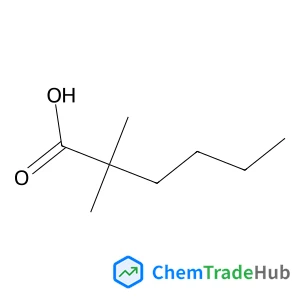
CAS Number
Related Products
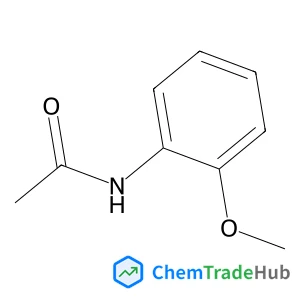
N-(2-Methoxyphenyl)acetamide
CAS Number: 93-26-5
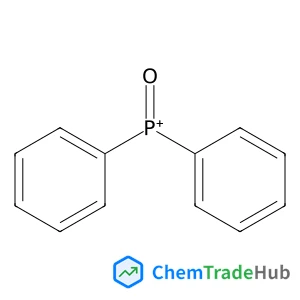
Diphenylphosphine oxide
CAS Number: 4559-70-0
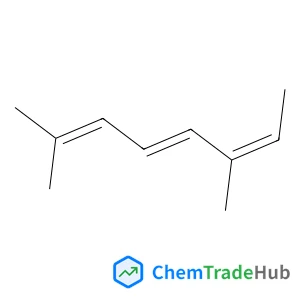
2,6-Dimethyl-2,4,6-octatriene
CAS Number: 673-84-7
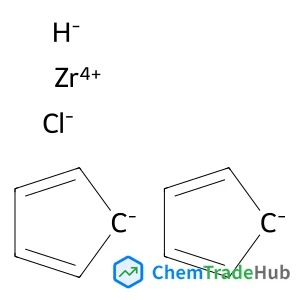
![1,2-Dimethoxy-12-methyl[1,3]benzodioxolo[5,6-c]phenanthridin-12-ium 13-methyl[1,3]benzodioxolo[5,6-c][1,3]dioxolo[4,5-i]phenanthridin-13-ium chloride (1:1:2)](https://static.chemtradehub.com/structs/112/112025-60-2-37be.webp)
![(7aS,13aS)-9,10-Dimethoxy-3,3-dimethyl-13,13a-dihydro-3H-chromeno[3,4-b]pyrano[2,3-h]chromen-7(7aH)-one](https://static.chemtradehub.com/structs/522/522-17-8-8dd3.webp)
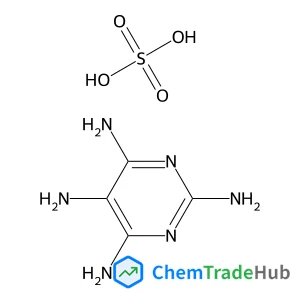
2,4,5,6-Tetraaminopyrimidine Sulfate
CAS Number: 5392-28-9
Other Suppliers for 2,2-Dimethylhexanoic acid





Basic Information
Molecular Formula
C8H16O2
Molecular Weight
144.21 g/mol
Physical Properties
Melting Point
-21.25°C (estimate)
Boiling Point
122°C/18mmHg(lit.)
Density
0,913 g/cm3
Flash Point
216-220°C
Chemical Identifiers
SMILES
CCCCC(C)(C)C(O)=O
InChIKey
YTTWDTVYXAEAJA-UHFFFAOYSA-N
Database References
MDL Number
MFCD00965097
Beilstein Registry Number
1749961
FAQ
2,2-Dimethylhexanoic acid (CAS: 813-72-9) is subject to various regulatory guidelines. In the European Union, it falls under the Registration, Evaluation, Authorization and Restriction of Chemicals (REACH) regulation. For hazardous classification, it should comply with the Globally Harmonized System of Classification and Labeling of Chemicals (GHS). Additionally, the U.S. Environmental Protection Agency (EPA) and the U.S. Food and Drug Administration (FDA) have specific requirements for the handling and reporting of this compound. It is important to consult the most recent regulatory updates for specific compliance requirements.
Yes, there are alternatives to 2,2-Dimethylhexanoic acid (CAS: 813-72-9) in synthesis. Common alternatives include other carboxylic acids such as pentanoic acid or capric acid, which can serve similar functional groups in organic reactions. Substitutes can also include cyclic compounds like caprolactam, which can be used in similar applications. It is advisable to evaluate the specific requirements of the synthesis to determine the best alternative.
The market for 2,2-Dimethylhexanoic acid (CAS: 813-72-9) is stable but growing, particularly in the pharmaceutical and cosmetics industries. Research trends indicate increasing interest in its use as a precursor in the synthesis of bioactive compounds and as a component in personal care products. Emerging trends include its potential applications in sustainable chemistry and green chemistry initiatives. Market prices may vary based on demand and availability, with research focusing on developing more efficient and environmentally friendly production methods.
Waste containing 2,2-Dimethylhexanoic acid (CAS: 813-72-9) should be handled according to local and international regulations. Collection of waste should be done in appropriate containers labeled as hazardous. Incineration is a common method of disposal, but it must be conducted in an environmentally controlled incinerator to minimize emissions. Professional waste disposal services are recommended for larger quantities. Environmental protection precautions include ensuring no release into aquatic systems and proper documentation of waste management practices to comply with regulatory requirements.
Safety Notice
Please verify product specifications and safety data before use. Contact the supplier for detailed safety information.
Always follow proper handling procedures

Contact Information
Contact Person
Liu Ziying
1400878822@qq.com
Mobile
13986246535
Visit Website
http://www.hubeidahao.comAddress
Hubei Province Tianmen City Huangtan Town Ximiao Village 1 Group