



AD
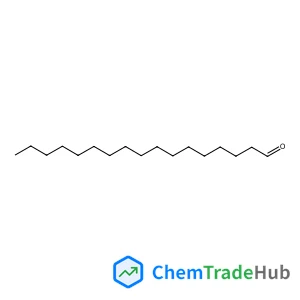
Heptadecanal(CAS: 629-90-3)
CAS Number
Related Products
![[3-(2-Hydroxyethyl)phenyl]boronic acid](https://static.chemtradehub.com/structs/647/647853-32-5-c363.webp)
![N-(Butylsulfonyl)-O-[4-(4-piperidinyl)butyl]-L-tyrosine hydrochloride hydrate](https://static.chemtradehub.com/structs/150/150915-40-5-1679.webp)
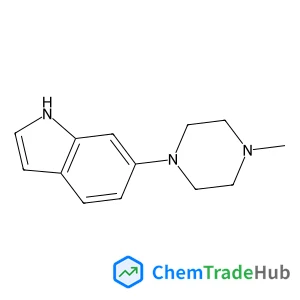
6-(4-methylpiperazin-1-yl)-1H-indole
CAS Number: 321745-04-4
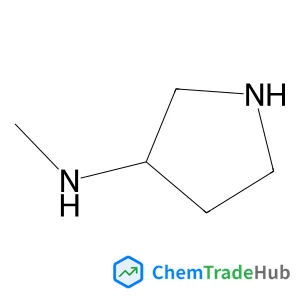
N-Methyl-3-pyrrolidinamine
CAS Number: 83030-08-4
![2-Chloro-N-[4-chloro-3-(2-pyridinyl)phenyl]-4-(methylsulfonyl)benzamide](https://static.chemtradehub.com/structs/879/879085-55-9-5abe.webp)
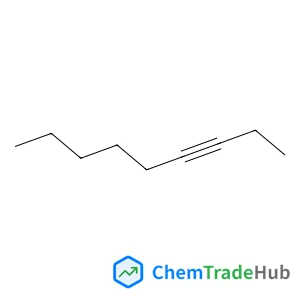
3-Nonyne
CAS Number: 20184-89-8
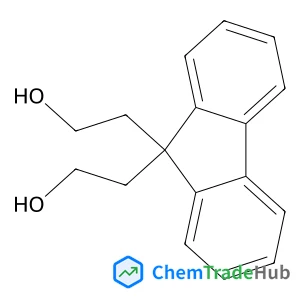
2,2'-(9H-fluorene-9,9-diyl)diethanol
CAS Number: 203070-78-4
![1,4-Dioxaspiro[4.5]dec-8-ylacetic acid](https://static.chemtradehub.com/structs/134/134136-04-2-8def.webp)
Other Suppliers for Heptadecanal






Basic Information
Molecular Formula
C17H34O
Molecular Weight
254.46 g/mol
Physical Properties
Melting Point
34.0 to 39.0 deg-C
Boiling Point
318°C(lit.)
Density
0.8233 (estimate)
Flash Point
146.9°C
Chemical Identifiers
SMILES
CCCCCCCCCCCCCCCCC=O
InChIKey
PIYDVAYKYBWPPY-UHFFFAOYSA-N
Database References
MDL Number
MFCD04034658
FAQ
Heptadecanal (CAS: 629-90-3) is a colorless to light yellow liquid with a pungent, fruity odor. It has a molecular weight of approximately 254.42 g/mol and a specific gravity of 0.855. This compound is poorly soluble in water but miscible with most organic solvents. Chemically, heptadecanal is reactive and can undergo hydrolysis, oxidation, and reduction reactions under certain conditions. It is also susceptible to polymerization at high temperatures.
Heptadecanal (CAS: 629-90-3) can be synthesized through the reduction of heptadecanone using a suitable reducing agent such as sodium borohydride. Alternatively, it can be produced via fermentation processes or through the hydrolysis of heptadecyl acetate. The synthesis typically yields a mixture of isomers, with the desired product being isolated through distillation or other purification techniques.
Heptadecanal (CAS: 629-90-3) is used in several industries. It serves as a fragrance and flavoring agent in the food and cosmetic industries. In the pharmaceutical sector, it is utilized as a precursor in the synthesis of various compounds. Additionally, it finds applications in the polymer industry as a modifier and in the development of sensors and semiconductors due to its unique physicochemical properties.
When handling heptadecanal (CAS: 629-90-3), it is essential to use appropriate personal protective equipment (PPE) such as gloves, safety goggles, and a lab coat. Work should be conducted in a well-ventilated area or a fume hood to minimize inhalation of vapors. Spills should be cleaned up using appropriate absorbent materials, and the area should be well-ventilated. It is crucial to consult the Safety Data Sheet (SDS) for specific handling and disposal procedures to ensure safe laboratory practices.
Safety Notice
Please verify product specifications and safety data before use. Contact the supplier for detailed safety information.
Always follow proper handling procedures

Contact Information
Contact Person
Miss Xu
1986399151@qq.com
Mobile
15221998634
Telephone
021-59178156
Visit Website
https://www.yingxinbio.com/Address
Yugang Town Yiling Road 258 Lane C Zone