



AD
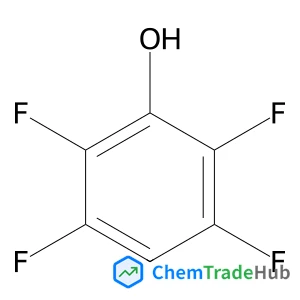
2,3,5,6-Tetrafluorophenol(CAS: 769-39-1)
CAS Number
Related Products
![[(1alpha,6beta,14alpha,16beta)-20-Ethyl-7,8-dihydroxy-1,6,14,16-tetramethoxyaconitan-4-yl]methyl 2-[(3S)-3-methyl-2,5-dioxo-1-pyrrolidinyl]benzoate 2-hydroxy-1,2,3-propanetricarboxylate (1:1)](https://static.chemtradehub.com/structs/351/351344-10-0-4e0e.webp)
![4-[(E)-2-(4-Carbamimidoylphenyl)vinyl]-3-hydroxybenzenecarboximidamide methanesulfonate (1:2)](https://static.chemtradehub.com/structs/223/223769-64-0-1600.webp)
![(6R,7R)-3-(acetyloxymethyl)-7-[[(2Z)-2-(furan-2-yl)-2-methoxyiminoacetyl]amino]-8-oxo-5-thia-1-azabicyclo[4.2.0]oct-2-ene-2-carboxylic acid](https://static.chemtradehub.com/structs/396/39685-31-9-f1d8.webp)
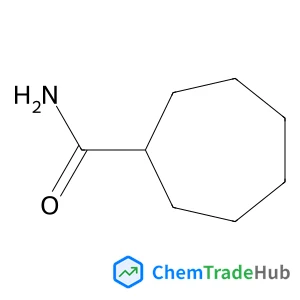
Cycloheptanecarboxamide
CAS Number: 1459-39-8
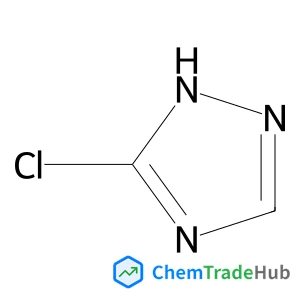
3-Chloro-1H-1,2,4-triazole
CAS Number: 6818-99-1
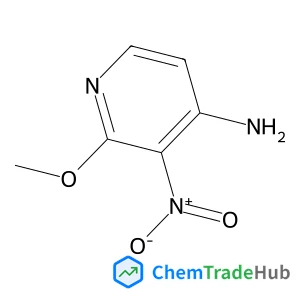
2-Methoxy-3-nitro-4-pyridinamine
CAS Number: 33623-16-4
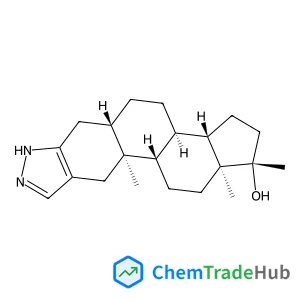
Stanozolol
CAS Number: 10418-03-8
Other Suppliers for 2,3,5,6-Tetrafluorophenol




Basic Information
Molecular Formula
C6H2F4O
Molecular Weight
166.07 g/mol
Physical Properties
Melting Point
37-39 °C (lit.)
Boiling Point
146°C
Density
1.4445 (estimate)
Water Solubility
Partly miscible with water.
Chemical Identifiers
SMILES
C1=C(C(=C(C(=C1F)F)O)F)F
InChIKey
PBYIIRLNRCVTMQ-UHFFFAOYSA-N
Database References
MDL Number
MFCD00002157
Beilstein Registry Number
1911548
FAQ
2,3,5,6-Tetrafluorophenol (CAS: 769-39-1) falls under the Globally Harmonized System (GHS) of Classification and Labeling of Chemicals. It is classified as a toxic substance. Under REACH regulations, it is classified as a substance of very high concern (SVHC). In the USA, it is regulated under the Toxic Substances Control Act (TSCA) by the EPA, requiring notification and reporting. It is also subject to FDA regulations for any potential use in pharmaceutical or food contact applications.
2,3,5,6-Tetrafluorophenol (CAS: 769-39-1) can be synthesized using various precursors like 2,3,5-trifluorophenol. Common alternatives include 2,4,5,6-tetrafluorophenol and 2,3,4,5-tetrafluorophenol. In some cases, 4-fluorophenol can be a viable substitute depending on the reaction conditions and desired product properties.
The market for 2,3,5,6-Tetrafluorophenol (CAS: 769-39-1) is driven by its use in pharmaceuticals, electronic chemicals, and flame retardants. Recent research trends focus on its application in high-performance polymers and as an intermediate in organic synthesis. The demand is expected to grow with advancements in these fields. Additionally, there is increasing interest in its potential environmental impact and sustainability in manufacturing processes.
Waste containing 2,3,5,6-Tetrafluorophenol (CAS: 769-39-1) should be handled according to hazardous waste disposal regulations. It should be collected in appropriate containers and stored in a well-ventilated, cool place away from incompatible materials. For disposal, professional waste management companies specializing in hazardous substances should be contacted. Incineration is a common method, but it must be done under controlled conditions. Proper environmental protection precautions, including personal protective equipment and emergency response plans, should be implemented to prevent environmental contamination.
Safety Notice
Please verify product specifications and safety data before use. Contact the supplier for detailed safety information.
Always follow proper handling procedures

Contact Information
order@canspecsci.com
Mobile
15021221957
Telephone
021-59553580
Fax
021-59553580-8012
Visit Website
https://www.canspec.cn