



AD
N-Ethynyl-N,4-dimethylbenzenesulfonamide(CAS: 1005500-75-3)
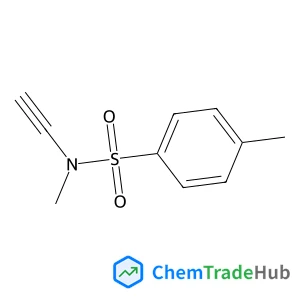
CAS Number
Related Products
![3-Cyclopropyl-1-(2-fluoro-4-iodophenyl)-5-hydroxy-6,8-dimethylpyrido[2,3-d]pyrimidine-2,4,7(1H,3H,8H)-trione](https://static.chemtradehub.com/structs/871/871700-24-2-c5dd.webp)
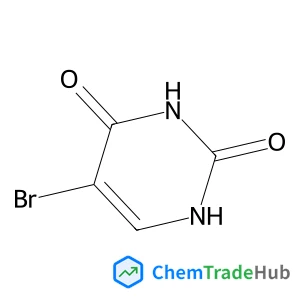
5-Bromo-2,4(1H,3H)-pyrimidinedione
CAS Number: 51-20-7
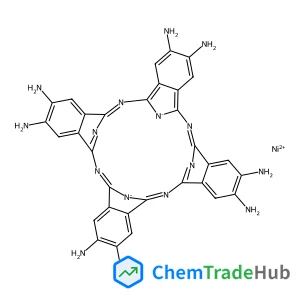
![3-Iodo-1H-pyrrolo[2,3-b]pyridine-4-carbonitrile](https://static.chemtradehub.com/structs/956/956485-59-9-1f04.webp)
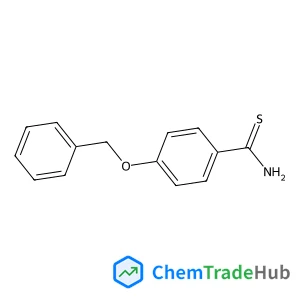
4-Benzyloxy-thiobenzamide
CAS Number: 161975-22-0
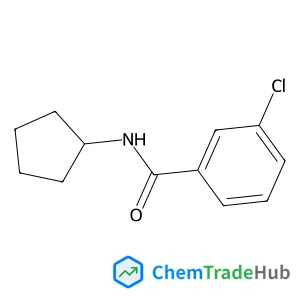
3-Chloro-N-cyclopentylbenzamide
CAS Number: 349128-33-2
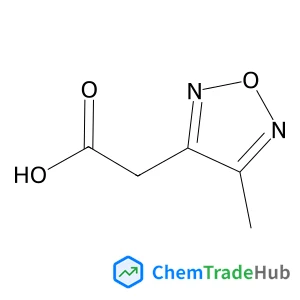
Other Suppliers for N-Ethynyl-N,4-dimethylbenzenesulfonamide








Basic Information
Molecular Formula
C10H11NO2S
Molecular Weight
199.28 g/mol
Chemical Identifiers
SMILES
CN(S(=O)(=O)c1ccc(cc1)C)C#C
InChIKey
VRNLIJIYOKNEOP-UHFFFAOYSA-N
Database References
MDL Number
MFCD08059828
FAQ
N-Ethynyl-N,4-dimethylbenzenesulfonamide (CAS: 1005500-75-3) is subject to the Globally Harmonized System of Classification and Labeling of Chemicals (GHS) for the transport and storage of hazardous materials, as well as to the Registration, Evaluation, Authorization, and Restriction of Chemicals (REACH) regulations in the European Union. It is also regulated by the U.S. Food and Drug Administration (FDA) and the Environmental Protection Agency (EPA) for its use in pharmaceuticals and industrial applications.
Are there alternatives to N-Ethynyl-N,4-dimethylbenzenesulfonamide (CAS: 1005500-75-3) in synthesis?
While N-Ethynyl-N,4-dimethylbenzenesulfonamide (CAS: 1005500-75-3) is a unique reagent, there are alternative sulfonamides and similar compounds that can be used in synthesis. For example, N,N-dimethylbenzenesulfonamide and N-ethynyl-N-methylbenzenesulfonamide are common alternatives. These compounds offer similar functional groups but may have different reactivity profiles.
The market for N-Ethynyl-N,4-dimethylbenzenesulfonamide (CAS: 1005500-75-3) is growing due to its application in various research fields, including drug discovery and synthesis. Recent research trends indicate a shift towards more sustainable and eco-friendly synthesis methods, which may lead to the development of new analogs with enhanced properties.
How should waste containing N-Ethynyl-N,4-dimethylbenzenesulfonamide (CAS: 1005500-75-3) be handled?
Waste containing N-Ethynyl-N,4-dimethylbenzenesulfonamide (CAS: 1005500-75-3) should be collected in appropriate containers and disposed of through professional waste disposal services. Incineration is a common method for disposal, as it ensures complete destruction of the compound. Environmental precautions should be taken to minimize the risk of contamination, including proper ventilation and the use of protective equipment. Compliance with local and international regulations is essential for safe waste management.
Safety Notice
Please verify product specifications and safety data before use. Contact the supplier for detailed safety information.
Always follow proper handling procedures
Contact Information
Contact Person
Fang Rui
wangkang@jskchem.com
Mobile
15221441005
Telephone
15221441005
Visit Website
https://www.jskchem.comAddress
No chemical compound information was provided to translate. Please provide the relevant chemical information for translation.