



AD
2,4-Dimethylbenzenesulfonic acid(CAS: 88-61-9)
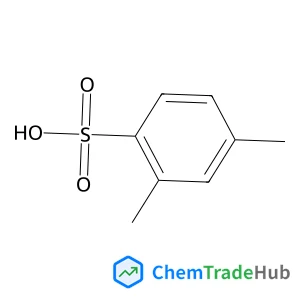
CAS Number
Related Products
![[3-(2-Hydroxyethyl)phenyl]boronic acid](https://static.chemtradehub.com/structs/647/647853-32-5-c363.webp)
![N-(Butylsulfonyl)-O-[4-(4-piperidinyl)butyl]-L-tyrosine hydrochloride hydrate](https://static.chemtradehub.com/structs/150/150915-40-5-1679.webp)
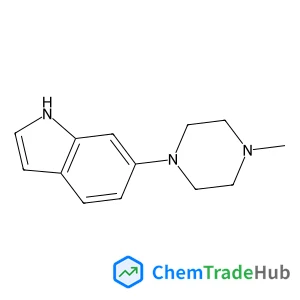
6-(4-methylpiperazin-1-yl)-1H-indole
CAS Number: 321745-04-4
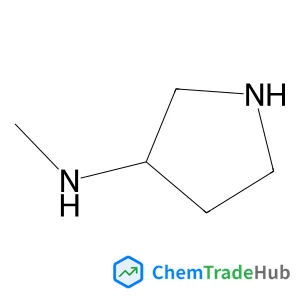
N-Methyl-3-pyrrolidinamine
CAS Number: 83030-08-4
![2-Chloro-N-[4-chloro-3-(2-pyridinyl)phenyl]-4-(methylsulfonyl)benzamide](https://static.chemtradehub.com/structs/879/879085-55-9-5abe.webp)
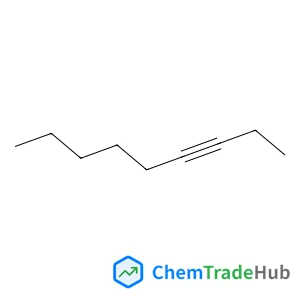
3-Nonyne
CAS Number: 20184-89-8
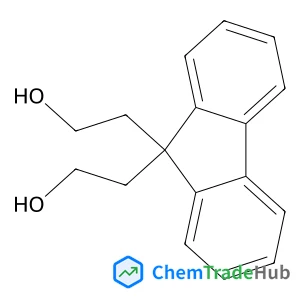
2,2'-(9H-fluorene-9,9-diyl)diethanol
CAS Number: 203070-78-4
![1,4-Dioxaspiro[4.5]dec-8-ylacetic acid](https://static.chemtradehub.com/structs/134/134136-04-2-8def.webp)
Other Suppliers for 2,4-Dimethylbenzenesulfonic acid






Basic Information
Molecular Formula
C8H10O3S
Molecular Weight
186.23 g/mol
Physical Properties
Melting Point
58.0 to 64.0 deg-C
Boiling Point
290.72°C (rough estimate)
Density
1.3286 (rough estimate)
Water Solubility
almost transparency
Chemical Identifiers
SMILES
CC1=CC(=C(C=C1)S(=O)(=O)O)C
InChIKey
CHZLVSBMXZSPNN-UHFFFAOYSA-N
Database References
MDL Number
MFCD12407222
Beilstein Registry Number
1949917
FAQ
2,4-Dimethylbenzenesulfonic acid (CAS: 88-61-9) is regulated by various guidelines, including GHS (Globally Harmonized System of Classification and Labeling of Chemicals) for classification and labeling. In the EU, it falls under the REACH (Registration, Evaluation, Authorisation and Restriction of Chemicals) regulations. FDA and EPA have specific requirements for handling and disposing of this compound in the United States. Compliance with these regulations is essential for safe handling and use.
Yes, there are alternatives to 2,4-Dimethylbenzenesulfonic acid (CAS: 88-61-9) in synthesis. Common substitutes include benzenesulfonic acid, toluenesulfonic acid, and other sulfonic acids. These alternatives can offer similar catalytic properties depending on the specific reaction conditions and requirements.
The market for 2,4-Dimethylbenzenesulfonic acid (CAS: 88-61-9) is growing due to its use in organic synthesis and as a reagent in various chemical processes. Research trends are focusing on its applications in green chemistry and sustainable chemical production. Increasing demand in pharmaceutical and fine chemical industries is driving market growth. Environmental concerns are also influencing research towards more eco-friendly alternatives.
Waste containing 2,4-Dimethylbenzenesulfonic acid (CAS: 88-61-9) should be collected and handled according to local and international regulatory guidelines. Proper incineration or professional waste disposal services are recommended. Environmental protection measures include ensuring containment and preventing soil and water contamination. Disposal should be done in accordance with hazardous waste regulations to ensure safety and compliance.
Safety Notice
Please verify product specifications and safety data before use. Contact the supplier for detailed safety information.
Always follow proper handling procedures

Contact Information
Contact Person
Miss Xu
1986399151@qq.com
Mobile
15221998634
Telephone
021-59178156
Visit Website
https://www.yingxinbio.com/Address
Yugang Town Yiling Road 258 Lane C Zone