



AD
4-Hydroxy-2(1H)-pyridinone(CAS: 84719-31-3)
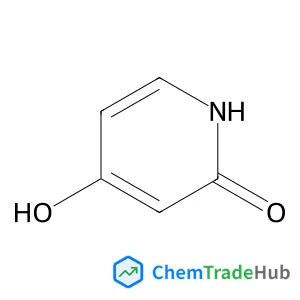
CAS Number
Related Products
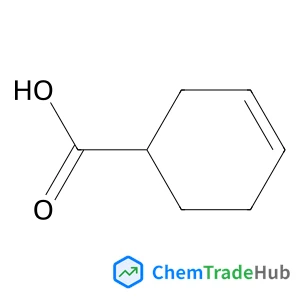
(1S)-3-Cyclohexene-1-carboxylic acid
CAS Number: 5708-19-0
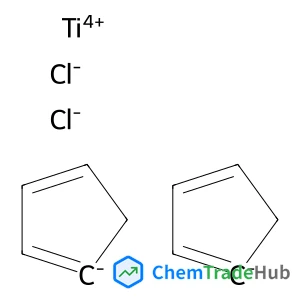
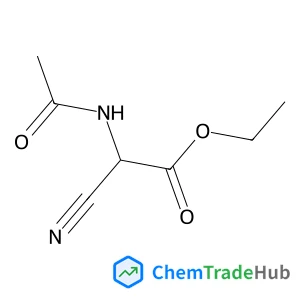
Ethyl Acetamidocyanoacetate
CAS Number: 4977-62-2
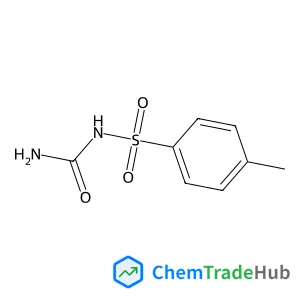
N-Carbamoyl-4-methylbenzenesulfonamide
CAS Number: 1694-06-0
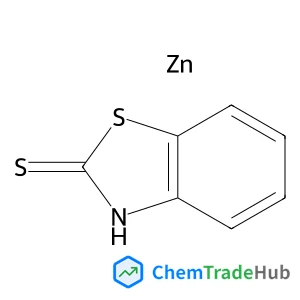
Zinc bis(1,3-benzothiazole-2-thiolate)
CAS Number: 155-04-4
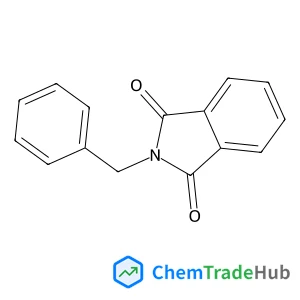
2-Benzyl-1H-isoindole-1,3(2H)-dione
CAS Number: 2142-01-0
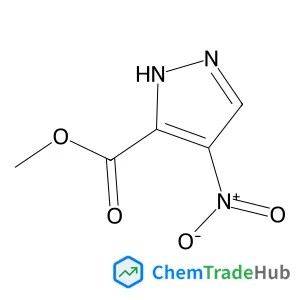
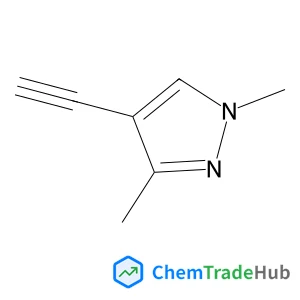
4-Ethynyl-1,3-dimethyl-1H-pyrazole
CAS Number: 61514-53-2
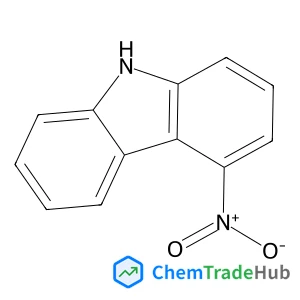
1-Nitro-9H-carbazole
CAS Number: 57905-76-7
Other Suppliers for 4-Hydroxy-2(1H)-pyridinone




Basic Information
Molecular Formula
C5H5NO2
Molecular Weight
111.1 g/mol
Physical Properties
Melting Point
272-276 °C(lit.)
Boiling Point
270.9ºC
Density
1.379 g/cm3
Flash Point
117.6ºC
Chemical Identifiers
SMILES
Oc1cc[nH]c(=O)c1
InChIKey
ZEZJPIDPVXJEME-UHFFFAOYSA-N
Database References
MDL Number
MFCD00006273
FAQ
4-Hydroxy-2(1H)-pyridinone, also known as 4-Hydroxypyridin-2-one, is a crystalline white solid with a molecular weight of approximately 125.12 g/mol. It is slightly soluble in water but more soluble in organic solvents like methanol and ethanol. Chemically, it is a weak acid and can undergo various reactions such as esterification and condensation. It is also known for its reactivity towards nucleophiles and electrophiles.
4-Hydroxy-2(1H)-pyridinone can be synthesized through the condensation of 2-hydroxypyridine and acetic anhydride. This reaction is catalyzed by anhydrous hydrogen chloride and typically yields a product with good selectivity and moderate to high yield. Other methods include the oxidation of 2-pyridone with hydrogen peroxide in the presence of a suitable catalyst.
4-Hydroxy-2(1H)-pyridinone is primarily used in the pharmaceutical industry for the synthesis of certain drugs. It also finds applications in the polymer industry for the development of novel polymers, in the sensor industry for the fabrication of gas sensors, and in the semiconductor industry for the preparation of organic electronic materials.
When handling 4-Hydroxy-2(1H)-pyridinone, it is important to wear appropriate personal protective equipment (PPE) such as gloves, goggles, and a lab coat. Ensure that the work is conducted in a well-ventilated area or fume hood to minimize inhalation of vapors. Spills should be cleaned up with appropriate absorbents, and the area should be well-ventilated. Always refer to the Material Safety Data Sheet (MSDS) or Safety Data Sheet (SDS) for detailed safety information and emergency procedures.
Safety Notice
Please verify product specifications and safety data before use. Contact the supplier for detailed safety information.
Always follow proper handling procedures
Contact Information
jacschem@163.com