



AD
4-(hydroxyimino)-2,6-dimethylcyclohexa-2,5-dien-1-one(CAS: 13331-93-6)
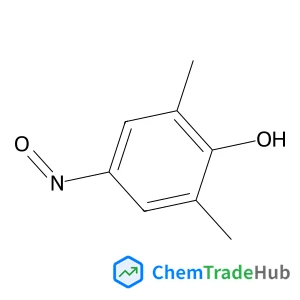
CAS Number
Related Products
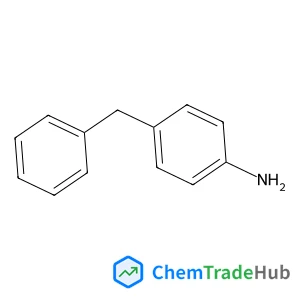
4-Benzylaniline
CAS Number: 1135-12-2
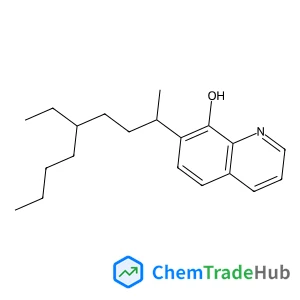
7-(5-Ethyl-2-nonanyl)-8-quinolinol
CAS Number: 73545-11-6
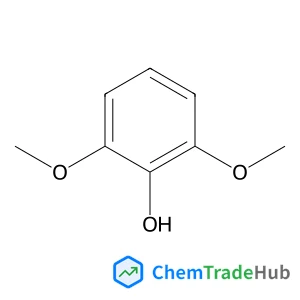
2,6-Dimethoxyphenol
CAS Number: 91-10-1
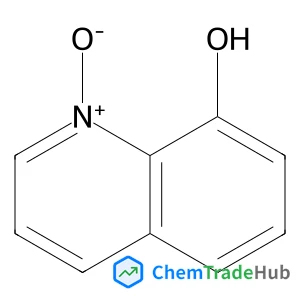
8-Quinolinol 1-oxide
CAS Number: 1127-45-3
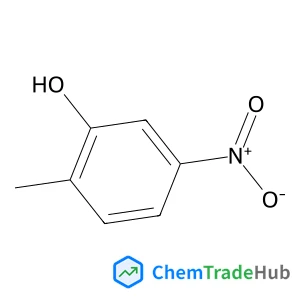
2-Methyl-5-nitrophenol
CAS Number: 5428-54-6
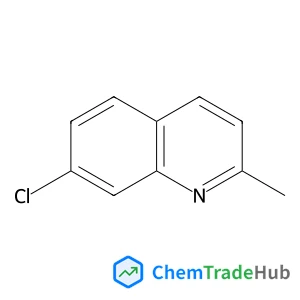
7-Chloro-2-methylquinoline
CAS Number: 4965-33-7
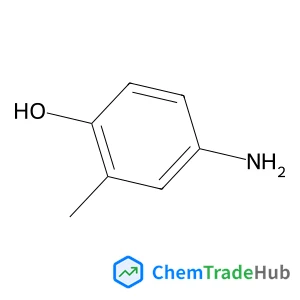
4-Amino-2-methylphenol
CAS Number: 2835-96-3
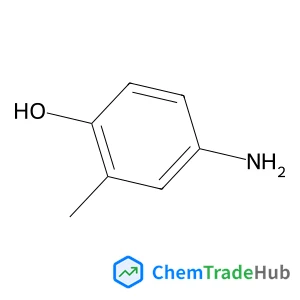
4-Amino-2-Methylphenol
CAS Number: 2635-95-2
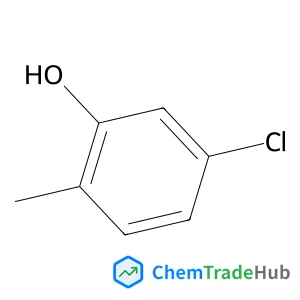
5-Chloro-2-methylphenol
CAS Number: 5306-98-9
Other Suppliers for 4-(hydroxyimino)-2,6-dimethylcyclohexa-2,5-dien-1-one



Basic Information
Molecular Formula
C8H9NO2
Molecular Weight
151.17 g/mol
Physical Properties
Melting Point
166-171 ºC
Chemical Identifiers
SMILES
CC1=CC(=CC(=C1O)C)N=O
InChIKey
JLGGFXVVFUIJBA-UHFFFAOYSA-N
Database References
MDL Number
MFCD00082725
FAQ
4-(hydroxyimino)-2,6-dimethylcyclohexa-2,5-dien-1-one is a colorless solid with a molecular weight of approximately 238.3 g/mol. It has a melting point around 83-84°C and is slightly soluble in water. The compound is highly reactive towards nucleophiles and can undergo electrophilic addition and nucleophilic substitution reactions.
4-(hydroxyimino)-2,6-dimethylcyclohexa-2,5-dien-1-one is commonly synthesized through the condensation of 2,6-dimethylcyclohexanone with hydroxylamine hydrochloride. The reaction is typically carried out in an aqueous medium and requires the use of a catalyst such as sodium hydroxide. The yield is around 85-90%, and the product is isolated by filtration and recrystallization.
4-(hydroxyimino)-2,6-dimethylcyclohexa-2,5-dien-1-one is primarily used in the pharmaceutical and polymer industries for the synthesis of complex organic compounds and as a monomer for polymerization reactions. It is also utilized in the production of sensors and electronic devices due to its unique reactivity and structural properties.
When handling 4-(hydroxyimino)-2,6-dimethylcyclohexa-2,5-dien-1-one, it is essential to wear appropriate personal protective equipment (PPE), including gloves, goggles, and a lab coat. The compound should be stored in a cool, dry place away from heat sources and incompatible materials. In case of spills, use appropriate spill kits and follow the safety data sheet (SDS) for proper disposal and clean-up procedures.
Safety Notice
Please verify product specifications and safety data before use. Contact the supplier for detailed safety information.
Always follow proper handling procedures
Contact Information
Contact Person
Panyaofang