



AD
2,3-dimethoxyaniline(CAS: 6299-67-8)
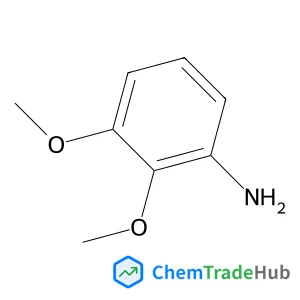
CAS Number
Related Products
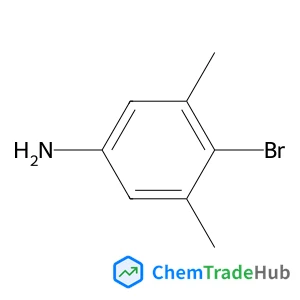
4-Bromo-3,5-dimethylaniline
CAS Number: 59557-90-3
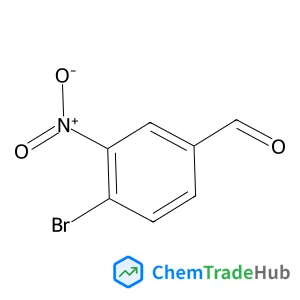
4-Bromo-3-nitrobenzaldehyde
CAS Number: 163596-75-6
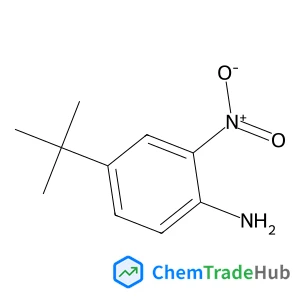
4-(2-Methyl-2-propanyl)-2-nitroaniline
CAS Number: 6310-19-6
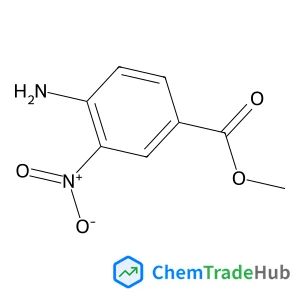
Methyl 4-amino-3-nitrobenzoate
CAS Number: 3987-92-6
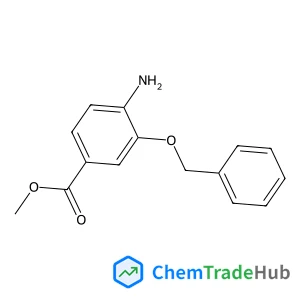
Methyl 4-amino-3-(benzyloxy)benzoate
CAS Number: 475215-88-4
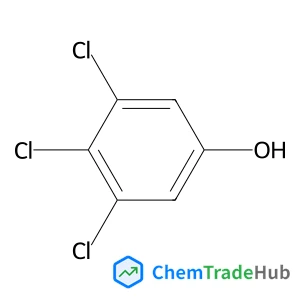
3,4,5-Trichlorophenol
CAS Number: 609-19-8
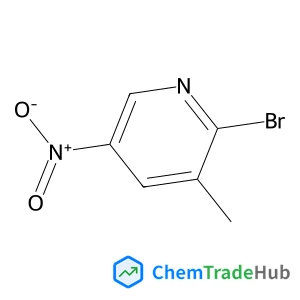
2-Bromo-3-methyl-5-nitropyridine
CAS Number: 23132-21-0

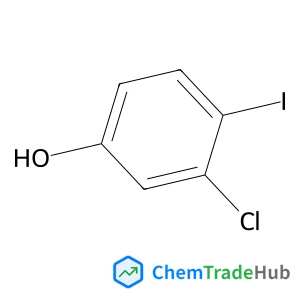
3-Chloro-4-iodophenol
CAS Number: 855403-42-8
Other Suppliers for 2,3-dimethoxyaniline







Basic Information
Molecular Formula
C8H11NO2
Molecular Weight
153.18 g/mol
Physical State
Yellow to Brown Liquid
Physical Properties
Boiling Point
93°C/1.4mmHg(lit.)
Density
1,14 g/cm3
Flash Point
250.1°Cat760mmHg
Chemical Identifiers
SMILES
COC1=CC=CC(=C1OC)N
InChIKey
HEZIOZBMPKPOER-UHFFFAOYSA-N
Database References
MDL Number
MFCD27756373
FAQ
2,3-Dimethoxyaniline (CAS: 6299-67-8) falls under the scope of various regulatory guidelines. Under the Globally Harmonized System of Classification and Labelling of Chemicals (GHS), it is classified as a skin and eye irritant. In Europe, it is regulated under the REACH (Registration, Evaluation, Authorisation and Restriction of Chemicals) regulation, which requires specific documentation and safety data sheets. Additionally, it is subject to FDA and EPA regulations in the United States, which include stringent handling, storage, and disposal requirements to protect public health and the environment.
Several alternatives to 2,3-dimethoxyaniline (CAS: 6299-67-8) are available in synthesis, including 2-methoxyaniline, 3-methoxyaniline, and their isomers. These compounds can serve similar functional roles in organic reactions. Other substitute solutions include using protected methoxy groups in intermediate steps, which can reduce the need for direct methoxy substitution in the final product.
The market for 2,3-dimethoxyaniline (CAS: 6299-67-8) is primarily driven by its applications in the pharmaceutical and agrochemical industries. Research trends indicate a growing interest in the development of new analogs with enhanced bioavailability and reduced toxicity. The trend also includes the exploration of its use in the synthesis of dyes and pigments, where its unique properties make it a valuable intermediate. Market analysis suggests steady demand, with potential for growth in emerging research fields focused on green chemistry and sustainable processes.
Waste containing 2,3-dimethoxyaniline (CAS: 6299-67-8) should be handled with caution to minimize environmental impact. Waste collection should be done in appropriate containers, and the waste should be properly labeled. Disposal should follow strict environmental regulations, typically involving incineration or hazardous waste facilities. Safety measures include the use of personal protective equipment (PPE) and adherence to local waste disposal guidelines to ensure compliance with regulatory standards and environmental protection policies.
Safety Notice
Please verify product specifications and safety data before use. Contact the supplier for detailed safety information.
Always follow proper handling procedures
Contact Information
Contact Person
Cao Lei Ping
121257724@qq.com