



AD
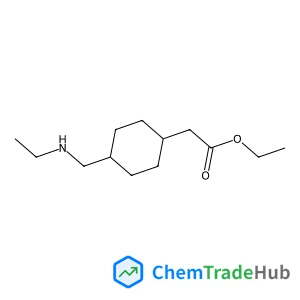
trans-Ethyl 2-(4-((ethylamino)methyl)cyclohexyl)acetate(CAS: 669080-89-1)
CAS Number
Related Products
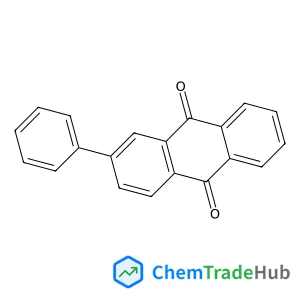
2-Phenyl-9,10-anthraquinone
CAS Number: 6485-97-8
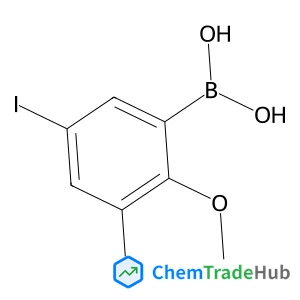
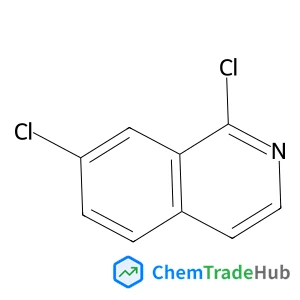
1,7-Dichloroisoquinoline
CAS Number: 70810-24-1
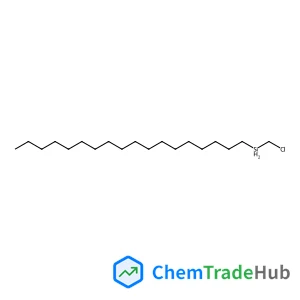
Silane, chloromethyloctadecyl-
CAS Number: 124694-97-9
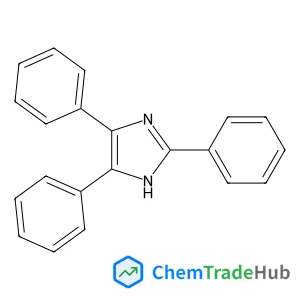
2,4,5-Triphenyl-1H-imidazole
CAS Number: 484-47-9
![[4-(Difluoromethoxy)phenyl]acetonitrile](https://static.chemtradehub.com/structs/414/41429-16-7-ae43.webp)
Other Suppliers for trans-Ethyl 2-(4-((ethylamino)methyl)cyclohexyl)acetate





Basic Information
Molecular Formula
C13H25NO2
Molecular Weight
227.35 g/mol
Chemical Identifiers
SMILES
CCNCC1CCC(CC1)CC(=O)OCC
InChIKey
LXJAWXNHIKYGQN-HAQNSBGRSA-N
Database References
MDL Number
MFCD19105333
FAQ
Trans-Ethyl 2-(4-((ethylamino)methyl)cyclohexyl)acetate (CAS: 669080-89-1) is subject to the Globally Harmonized System (GHS) of Classification and Labelling of Chemicals. In the European Union, it must comply with the REACH regulation for registration, evaluation, authorization, and restriction of chemicals. For pharmaceutical and food-related applications, the FDA and EPA have specific guidelines regarding its use and handling. Manufacturers should consult these guidelines for specific requirements and documentation needs.
Several alternatives can be considered in the synthesis of trans-Ethyl 2-(4-((ethylamino)methyl)cyclohexyl)acetate (CAS: 669080-89-1). For instance, ethyl 2-(4-(methylamino)methyl)cyclohexyl)acetate can be used as a similar structure. Additionally, other reagents like methyl vinyl ether and methyl acetoacetate can serve as starting materials in alternative synthetic routes. It is important to evaluate the availability, cost, and efficacy of these alternatives.
The market for trans-Ethyl 2-(4-((ethylamino)methyl)cyclohexyl)acetate (CAS: 669080-89-1) is growing due to its applications in personal care products and pharmaceuticals. Research trends are focusing on its use as a fragrance ingredient and as a molecular probe in biological assays. Emerging studies are also exploring its potential in new drug discovery and development. The increasing demand in these sectors is expected to drive further advancements and applications.
Waste containing trans-Ethyl 2-(4-((ethylamino)methyl)cyclohexyl)acetate (CAS: 669080-89-1) should be collected in appropriate containers and stored in a well-ventilated area. Incineration is a common method for disposal, but professional waste disposal services may be necessary. Environmental protection measures include ensuring the waste does not enter water bodies and following local environmental regulations. Hazardous waste management guidelines must be strictly adhered to for safe disposal.
Safety Notice
Please verify product specifications and safety data before use. Contact the supplier for detailed safety information.
Always follow proper handling procedures
Contact Information
Contact Person
Li Jun
2801519207@qq.com