



AD
3,4-Diaminobenzenecarboximidamide(CAS: 68827-43-0)
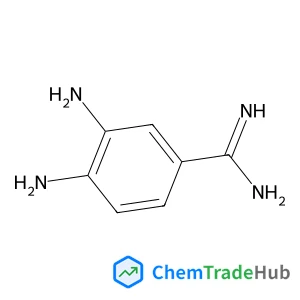
CAS Number
Related Products
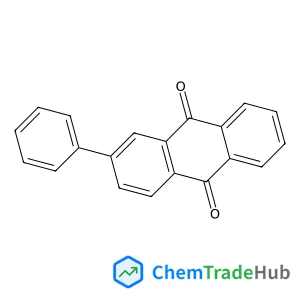
2-Phenyl-9,10-anthraquinone
CAS Number: 6485-97-8

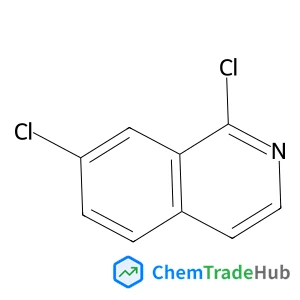
1,7-Dichloroisoquinoline
CAS Number: 70810-24-1
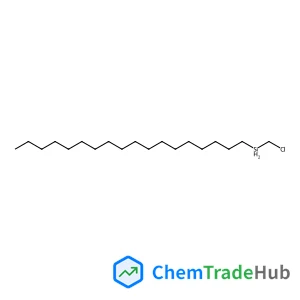
Silane, chloromethyloctadecyl-
CAS Number: 124694-97-9
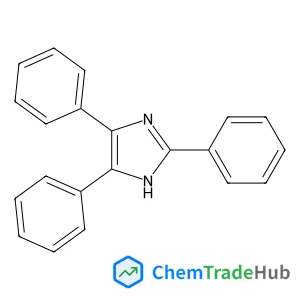
2,4,5-Triphenyl-1H-imidazole
CAS Number: 484-47-9
![[4-(Difluoromethoxy)phenyl]acetonitrile](https://static.chemtradehub.com/structs/414/41429-16-7-ae43.webp)
Other Suppliers for 3,4-Diaminobenzenecarboximidamide






Basic Information
Molecular Formula
C7H10N4
Molecular Weight
150.19 g/mol
Physical Properties
Density
1.44
Chemical Identifiers
SMILES
C1=CC(=C(C=C1C(=N)N)N)N
InChIKey
YQQCEOMFCLGSTF-UHFFFAOYSA-N
Database References
MDL Number
MFCD08751343
FAQ
3,4-Diaminobenzenecarboximidamide (CAS: 68827-43-0) is regulated under the Globally Harmonized System of Classification and Labelling of Chemicals (GHS), following classification as a skin and eye irritant. For European markets, it is subject to REACH regulations requiring hazard and exposure information. Additionally, the United States Environmental Protection Agency (EPA) and the Food and Drug Administration (FDA) have specific requirements for the handling, storage, and use in products.
There are several alternatives in synthesis for 3,4-Diaminobenzenecarboximidamide (CAS: 68827-43-0). Common substitutes include 4-Aminobenzenecarboximidamide and 3-Aminobenzenecarboximidamide, which can be used depending on the specific reaction conditions and desired product properties. Other alternatives may involve using different functional groups or intermediates to achieve similar outcomes.
The market for 3,4-Diaminobenzenecarboximidamide (CAS: 68827-43-0) is growing due to its applications in the synthesis of various pharmaceuticals and agrochemicals. Research trends are focusing on its use as a precursor for drug development and as a reagent in organic synthesis. However, the market is also facing regulatory challenges and increasing demand for safer and more sustainable alternatives.
Waste containing 3,4-Diaminobenzenecarboximidamide (CAS: 68827-43-0) should be collected in appropriate containers and stored separately. It should be disposed of by professional waste disposal companies that are licensed to handle hazardous waste. Proper precautions include wearing personal protective equipment and following local and national regulations for hazardous waste disposal. Incineration is a common method, but it must be conducted under controlled conditions to prevent environmental pollution.
Safety Notice
Please verify product specifications and safety data before use. Contact the supplier for detailed safety information.
Always follow proper handling procedures
Contact Information
Contact Person
Li Jun
2801519207@qq.com