AD
2,3,5-Tribromopyridine(CAS: 75806-85-8)
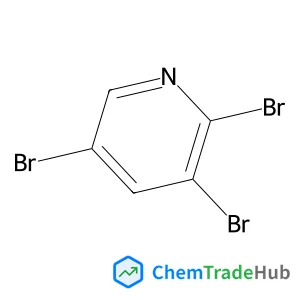
CAS Number
Related Products

2-Bromo-3-chloropyridine
CAS Number: 96424-68-9
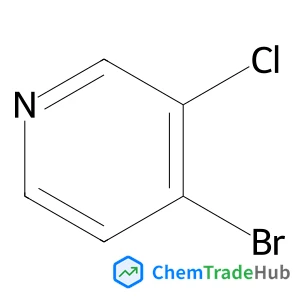
4-Bromo-3-chloropyridine
CAS Number: 73583-41-2

5-Bromo-2-fluoro-4-methylpyridine
CAS Number: 864830-16-0

5-Bromo-2-chloro-3-fluoropyridine
CAS Number: 831203-13-5
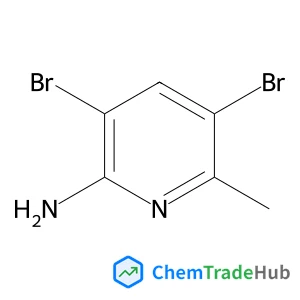
3,5-Dibromo-6-methyl-2-pyridinamine
CAS Number: 91872-10-5
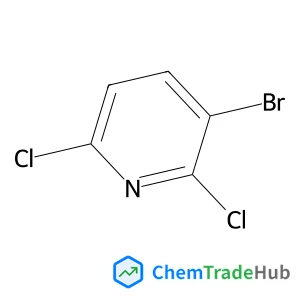
3-Bromo-2,6-dichloropyridine
CAS Number: 866755-20-6
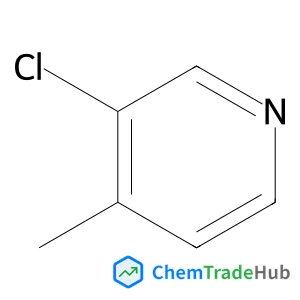
3-Chloro-4-methylpyridine
CAS Number: 72093-04-0
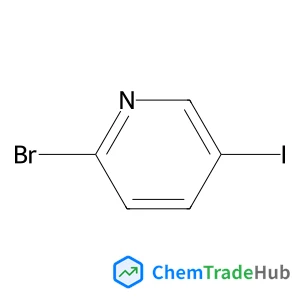
2-Bromo-5-iodopyridine
CAS Number: 73290-22-9
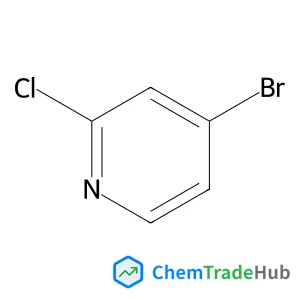
4-Bromo-2-chloropyridine
CAS Number: 73583-37-6
Other Suppliers for 2,3,5-Tribromopyridine





Basic Information
Molecular Formula
C5H2Br3N
Molecular Weight
315.79 g/mol
Physical Properties
Melting Point
44.0 to 48.0 deg-C
Boiling Point
160°C(lit.)
Chemical Identifiers
SMILES
C1=C(C=NC(=C1Br)Br)Br
InChIKey
BBHYMJRPJFVNPI-UHFFFAOYSA-N
Database References
MDL Number
MFCD00233999
FAQ
2,3,5-Tribromopyridine is a chemical compound with the molecular formula C5H3Br3N. It is a yellow to orange crystalline solid with a distinctive odor. It is used in various applications, including pharmaceuticals, research, and industrial processes.
2,3,5-Tribromopyridine is primarily used in pharmaceuticals for the synthesis of certain compounds, as a reagent in organic synthesis, and in industrial processes for its bromine content. It is also used in research for studying the properties of bromine-containing compounds.
2,3,5-Tribromopyridine is generally safe when handled with proper precautions. However, it is corrosive and can cause skin and eye irritation. Protective gloves and goggles should be worn during handling. It should be stored away from sources of ignition and heat to minimize the risk of fire or decomposition.
2,3,5-Tribromopyridine should be stored in a cool, dry place, away from sources of ignition and heat. It should be kept in a tightly sealed container to protect it from moisture. Avoid exposure to light and maintain a temperature below 25°C to ensure stability and safety.
Safety Notice
Please verify product specifications and safety data before use. Contact the supplier for detailed safety information.
Always follow proper handling procedures