AD
4-Bromo-3-chloropyridine(CAS: 73583-41-2)
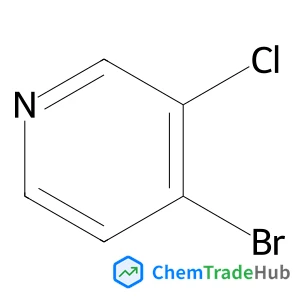
CAS Number
Related Products
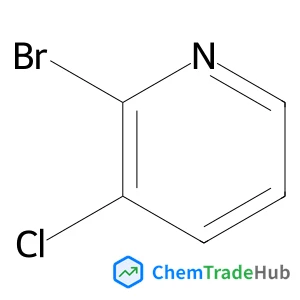
2-Bromo-3-chloropyridine
CAS Number: 96424-68-9

5-Bromo-2-fluoro-4-methylpyridine
CAS Number: 864830-16-0
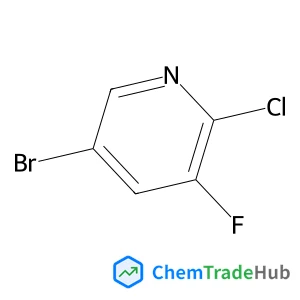
5-Bromo-2-chloro-3-fluoropyridine
CAS Number: 831203-13-5
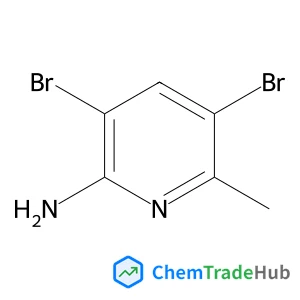
3,5-Dibromo-6-methyl-2-pyridinamine
CAS Number: 91872-10-5
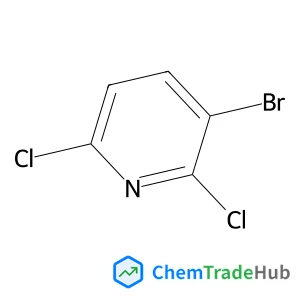
3-Bromo-2,6-dichloropyridine
CAS Number: 866755-20-6
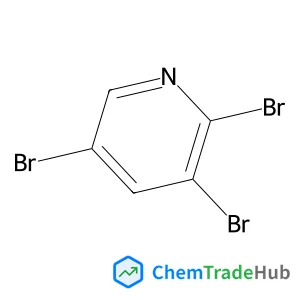
2,3,5-Tribromopyridine
CAS Number: 75806-85-8
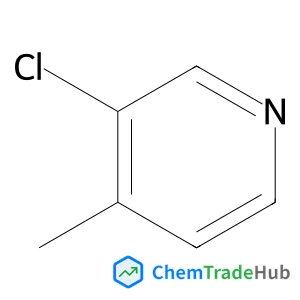
3-Chloro-4-methylpyridine
CAS Number: 72093-04-0
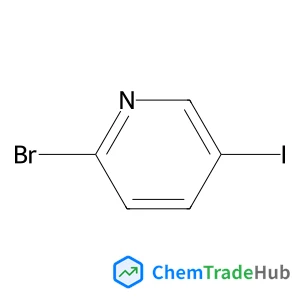
2-Bromo-5-iodopyridine
CAS Number: 73290-22-9
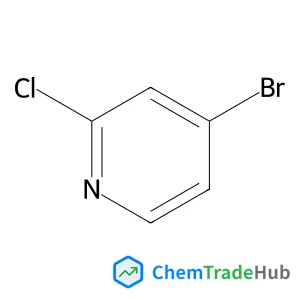
4-Bromo-2-chloropyridine
CAS Number: 73583-37-6
Other Suppliers for 4-Bromo-3-chloropyridine



Basic Information
Molecular Formula
C5H3BrClN
Molecular Weight
192.44 g/mol
Physical Properties
Melting Point
67-75°C
Boiling Point
219.8℃ at 760 mmHg
Chemical Identifiers
SMILES
C1=CN=CC(=C1Br)Cl
InChIKey
CXXVUKYIBWZKHL-UHFFFAOYSA-N
Database References
MDL Number
MFCD04112577
FAQ
4-Bromo-3-chloropyridine is regulated under the Globally Harmonized System (GHS) for Classification and Labeling of Chemicals, which includes hazard communication and physical, health, and environmental hazards. In the European Union, it is also subject to REACH regulations, which cover registration, evaluation, authorization, and restriction of chemicals. The FDA and EPA may regulate this compound in the context of pharmaceuticals, pesticides, and industrial chemicals. Safe handling and storage guidelines should be followed, and compliance with local and federal regulations is essential.
Alternatives to 4-Bromo-3-chloropyridine in synthesis may include other halopyridines or related compounds with similar functional groups. Common substitutes include 2-chloro-6-bromopyridine and 3-chloropyridine. The choice of alternative depends on the desired properties, reactivity, and availability. It is important to evaluate the specific requirements of the synthetic pathway to choose the most suitable compound.
The market for 4-Bromo-3-chloropyridine is driven by its use in pharmaceutical research, particularly in the development of antiviral and anti-inflammatory drugs. Research trends indicate increasing interest in its applications for medicinal chemistry, with a focus on optimizing its biological activity. Market dynamics suggest a steady demand, supported by ongoing drug discovery efforts. However, market trends can vary based on regulatory approval and patent expiration of related compounds.
Waste containing 4-Bromo-3-chloropyridine should be collected in appropriate containers and stored in a secure location. Disposal methods should involve incineration in accordance with local regulations or professional waste disposal services that handle hazardous chemicals. Environmental protection measures, such as neutralization of any acidic or basic residues, should be considered to minimize environmental impact. Proper personal protective equipment (PPE) and safety procedures must be observed during handling and disposal to ensure worker safety.
Safety Notice
Please verify product specifications and safety data before use. Contact the supplier for detailed safety information.
Always follow proper handling procedures