



AD
3-(4-Chlorophenyl)propanoic acid(CAS: 2019-34-3)
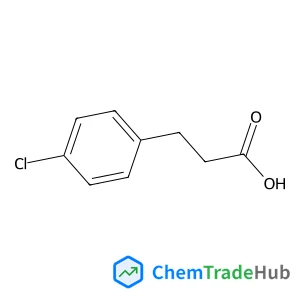
CAS Number
Related Products
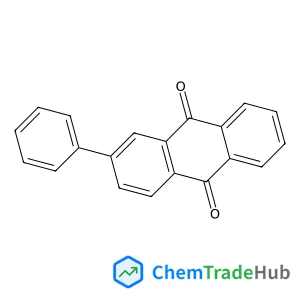
2-Phenyl-9,10-anthraquinone
CAS Number: 6485-97-8
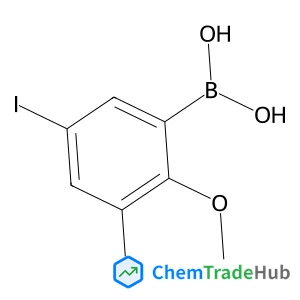
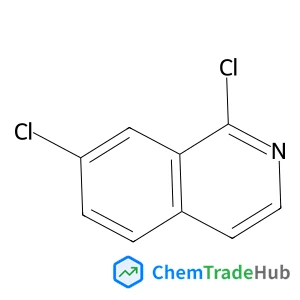
1,7-Dichloroisoquinoline
CAS Number: 70810-24-1
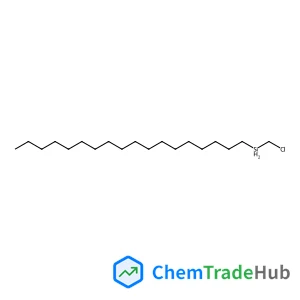
Silane, chloromethyloctadecyl-
CAS Number: 124694-97-9
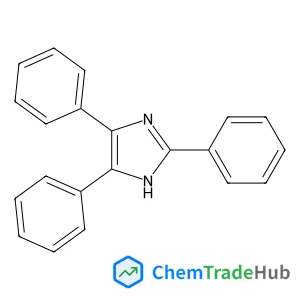
2,4,5-Triphenyl-1H-imidazole
CAS Number: 484-47-9
![[4-(Difluoromethoxy)phenyl]acetonitrile](https://static.chemtradehub.com/structs/414/41429-16-7-ae43.webp)
Other Suppliers for 3-(4-Chlorophenyl)propanoic acid





Basic Information
Molecular Formula
C9H9ClO2
Molecular Weight
184.62 g/mol
Physical Properties
Melting Point
127-131 °C (lit.)
Boiling Point
306.6°C at 760 mmHg
Flash Point
139.2℃
Chemical Identifiers
SMILES
C1=CC(=CC=C1CCC(=O)O)Cl
InChIKey
BBSLOKZINKEUCR-UHFFFAOYSA-N
Database References
MDL Number
MFCD00016555
FAQ
3-(4-Chlorophenyl)propanoic acid (CAS: 2019-34-3) is subject to various regulatory guidelines including GHS classification, REACH regulations, and FDA/EPA requirements. It must be managed according to its hazardous properties, which are classified by the Globally Harmonized System (GHS) as a skin irritant and a category 4 carcinogen. Compliance with REACH regulations on registration, evaluation, authorization, and restriction of chemicals is also mandatory. Additionally, it is important to adhere to local and national regulations regarding the handling, storage, and disposal of this compound.
In synthesis, alternatives to 3-(4-Chlorophenyl)propanoic acid (CAS: 2019-34-3) include similar compounds such as 3-(4-bromophenyl)propanoic acid, 3-(3-chlorophenyl)propanoic acid, and 3-(4-fluorophenyl)propanoic acid, which may be used depending on the desired properties. Common alternative reagents include chloroacetyl chloride or acetyl chloride. These alternatives can offer similar structural features but with different functional groups, providing flexibility in chemical synthesis.
The market for 3-(4-Chlorophenyl)propanoic acid (CAS: 2019-34-3) is driven by its use in pharmaceutical and chemical research. Recent trends indicate a growing interest in its application as an intermediary in the synthesis of pharmaceuticals and agrochemicals. Research is exploring its potential in developing new drugs and agrochemical products. Market trends suggest an increasing demand, particularly in regions where there is robust pharmaceutical and agrochemical development, but price fluctuations remain a consideration.
Waste containing 3-(4-Chlorophenyl)propanoic acid (CAS: 2019-34-3) should be handled with caution due to its hazardous properties. Proper waste management involves collecting the waste in appropriate containers, ensuring it is labeled with the correct hazard symbols, and storing it in a secure, well-ventilated area. Disposal should occur through professional waste disposal services, following local and international regulations. Incineration is a common method for disposal, but it must be conducted in an enclosed system to prevent emissions. Environmental protection precautions include ensuring no accidental spills and that the waste is disposed of in a manner that minimizes environmental impact.
Safety Notice
Please verify product specifications and safety data before use. Contact the supplier for detailed safety information.
Always follow proper handling procedures
Contact Information
Contact Person
Li Jun
2801519207@qq.com