



AD
2-chloro-1,10-phenanthroline(CAS: 7089-68-1)
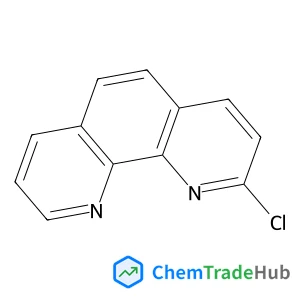
CAS Number
Related Products
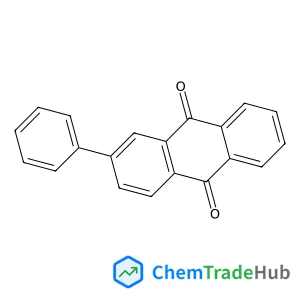
2-Phenyl-9,10-anthraquinone
CAS Number: 6485-97-8

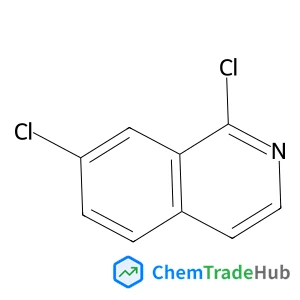
1,7-Dichloroisoquinoline
CAS Number: 70810-24-1
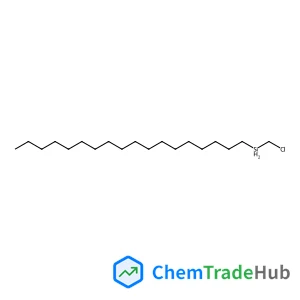
Silane, chloromethyloctadecyl-
CAS Number: 124694-97-9
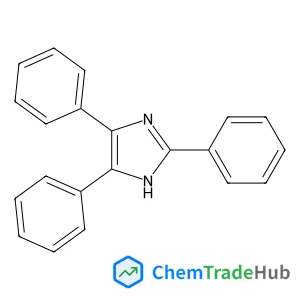
2,4,5-Triphenyl-1H-imidazole
CAS Number: 484-47-9
![[4-(Difluoromethoxy)phenyl]acetonitrile](https://static.chemtradehub.com/structs/414/41429-16-7-ae43.webp)
Other Suppliers for 2-chloro-1,10-phenanthroline




Basic Information
Molecular Formula
C12H7ClN2
Molecular Weight
214.66 g/mol
Physical Properties
Melting Point
128.0 to 132.0 deg-C
Boiling Point
391.8°C at 760 mmHg
Density
1.375
Flash Point
222.9°C
Chemical Identifiers
SMILES
C1=CC2=C(C3=C(C=C2)C=CC(=N3)Cl)N=C1
InChIKey
JHRMQHFRVPVGHL-UHFFFAOYSA-N
Database References
MDL Number
MFCD00185678
FAQ
2-Chloro-1,10-phenanthroline (CAS: 7089-68-1) is subject to the Globally Harmonized System of Classification and Labeling of Chemicals (GHS), which includes specific hazard statements, signal words, and pictograms. In the European Union, it must comply with REACH regulations, which require registration for substances above 1 tonne per year. Additionally, the U.S. Food and Drug Administration (FDA) and Environmental Protection Agency (EPA) have guidelines for the use and disposal of this compound in pharmaceuticals and environmental studies.
Alternatives to 2-chloro-1,10-phenanthroline (CAS: 7089-68-1) include 2-aminophenanthroline and 2-mercaptophenanthroline, which can serve similar roles in coordination chemistry and spectroscopy. However, the choice of alternative depends on specific application requirements such as reactivity, solubility, and functional groups.
The market for 2-chloro-1,10-phenanthroline (CAS: 7089-68-1) is driven by its use in analytical chemistry, particularly as a ligand in spectroscopic and chromatographic applications. Research trends focus on its role in studying metal complexes and its potential in developing new analytical techniques. Emerging studies are exploring its applications in environmental monitoring and catalysis.
Waste containing 2-chloro-1,10-phenanthroline (CAS: 7089-68-1) should be collected and disposed of according to the local waste management regulations. It is typically managed as a hazardous waste due to its potential for environmental contamination. Incineration is a common disposal method, but professional waste disposal services that specialize in hazardous waste should be used. Proper precautions should be taken to prevent spillage and ensure safe transport to the disposal facility.
Safety Notice
Please verify product specifications and safety data before use. Contact the supplier for detailed safety information.
Always follow proper handling procedures
Contact Information
Contact Person
Li Jun
2801519207@qq.com