



AD
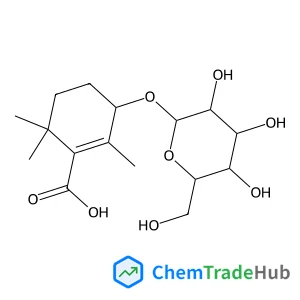
(3R)-3-(beta-D-Glucopyranosyloxy)-2,6,6-trimethyl-1-cyclohexene-1-carboxylic acid(CAS: 104056-82-8)
CAS Number
Related Products
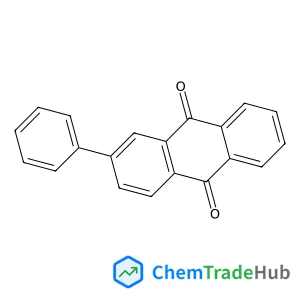
2-Phenyl-9,10-anthraquinone
CAS Number: 6485-97-8
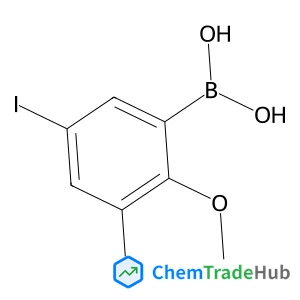
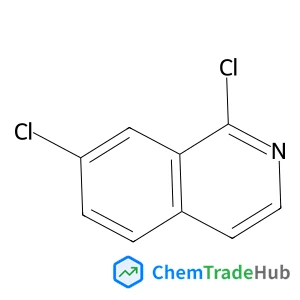
1,7-Dichloroisoquinoline
CAS Number: 70810-24-1
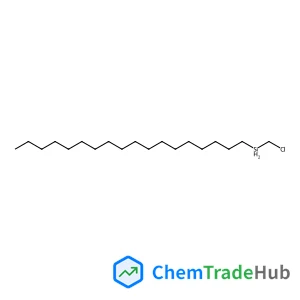
Silane, chloromethyloctadecyl-
CAS Number: 124694-97-9
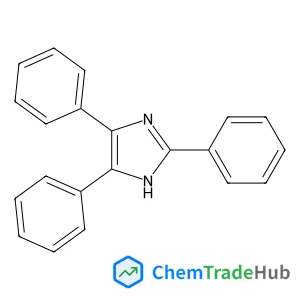
2,4,5-Triphenyl-1H-imidazole
CAS Number: 484-47-9
![[4-(Difluoromethoxy)phenyl]acetonitrile](https://static.chemtradehub.com/structs/414/41429-16-7-ae43.webp)
Other Suppliers for (3R)-3-(beta-D-Glucopyranosyloxy)-2,6,6-trimethyl-1-cyclohexene-1-carboxylic acid




Basic Information
Molecular Formula
C16H26O8
Molecular Weight
346.38 g/mol
Physical State
Powder
Chemical Identifiers
SMILES
OCC1OC(OC2CCC(C(=C2C)C(=O)O)(C)C)C(C(C1O)O)O
InChIKey
ITYUWPGZACWPPQ-QLDIZCGWSA-N
Database References
MDL Number
MFCD31560801
FAQ
(3R)-3-(beta-D-Glucopyranosyloxy)-2,6,6-trimethyl-1-cyclohexene-1-carboxylic acid is a white crystalline solid with a molecular weight of approximately 352.34 g/mol. It has a solubility of about 10 mg/L in water and is slightly soluble in common organic solvents. It exhibits good reactivity in esterification and substitution reactions, and its structural complexity makes it suitable for various chemical transformations.
(3R)-3-(beta-D-Glucopyranosyloxy)-2,6,6-trimethyl-1-cyclohexene-1-carboxylic acid can be synthesized via a multi-step process, starting with the formation of a sugar derivative followed by an esterification reaction. This process often involves the use of catalytic amounts of a Lewis acid or a strong base to enhance reactivity. The final product typically exhibits high yield and selectivity, making it a valuable intermediate in organic synthesis.
(3R)-3-(beta-D-Glucopyranosyloxy)-2,6,6-trimethyl-1-cyclohexene-1-carboxylic acid is primarily used in the pharmaceutical industry for the synthesis of complex natural products and drug intermediates. It also finds applications in the polymer industry for the development of biodegradable polymers and in the sensor industry for its unique chemical structure, which can be used in biosensing applications.
When handling (3R)-3-(beta-D-Glucopyranosyloxy)-2,6,6-trimethyl-1-cyclohexene-1-carboxylic acid, it is important to wear appropriate personal protective equipment (PPE) such as gloves, safety goggles, and a lab coat. Work should be performed in a well-ventilated area or a fume hood to minimize inhalation risks. In the event of a spill, use appropriate spill cleanup materials and follow the safety data sheet (SDS) for disposal instructions. Always refer to the latest SDS for detailed safety information.
Safety Notice
Please verify product specifications and safety data before use. Contact the supplier for detailed safety information.
Always follow proper handling procedures
Contact Information
Contact Person
Li Jun
2801519207@qq.com